What Raw Materials Are Required For The Continuous PU Sandwich Panel Production Line Operation?
Publication Date: Oct 13, 2026
Continuous PU sandwich panel production requires facing coils, polyurethane chemistry, adhesives, and auxiliary consumables for stable, automated forming.
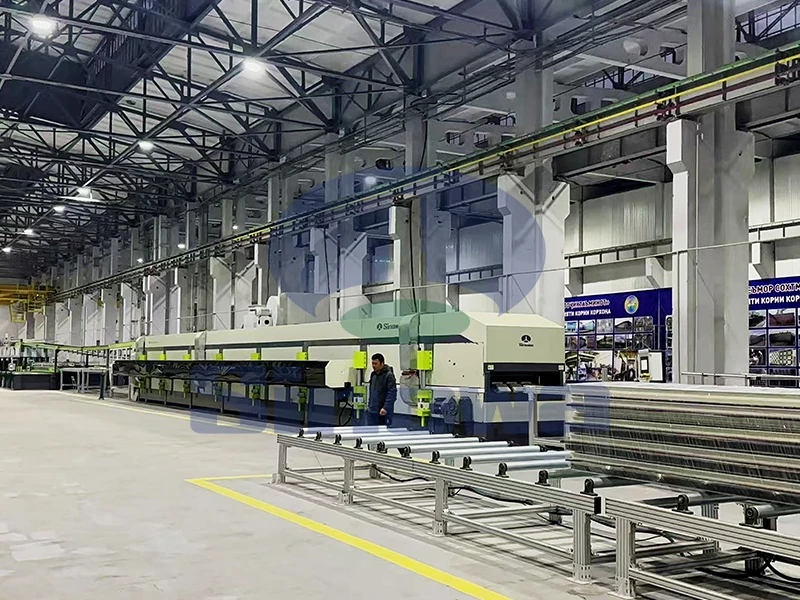
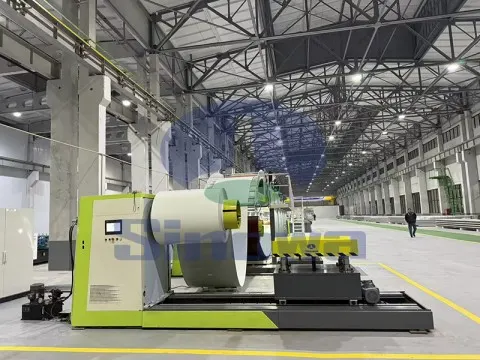
The outermost layer of every panel begins with pre-painted metal coils that unwrap directly from the decoiler and feed into the laminator. Galvanized steel, aluzinc, aluminum, and stainless steel are the most common substrates, chosen for their rigidity, corrosion resistance, and compatibility with roll-forming of side joints. The coil must be flat, clean, and free of oil or oxidation so the foam skin adheres uniformly across the entire width. Thickness and width are set by the panel design, but the coil weight and inner diameter must match the line's loading carriage to avoid downtime during splicing.
At the chemical heart of the line are the two liquid components that react inside the mixing head. The first is a polyol blend containing polyester or polyether polyols, catalysts, blowing agents, flame-retardant additives, surfactants, and chain extenders pre-mixed to a precise formulation. This component determines the foam's cell structure, density, flow behavior, and thermal performance. The second is isocyanate, typically polymeric methylene diphenyl diisocyanate, which reacts exothermically with the polyol to form the rigid polyurethane cellular matrix. Both materials are stored in temperature-controlled tanks, continuously circulated, and metered by high-pressure proportioning pumps that maintain the correct ratio throughout the shift.
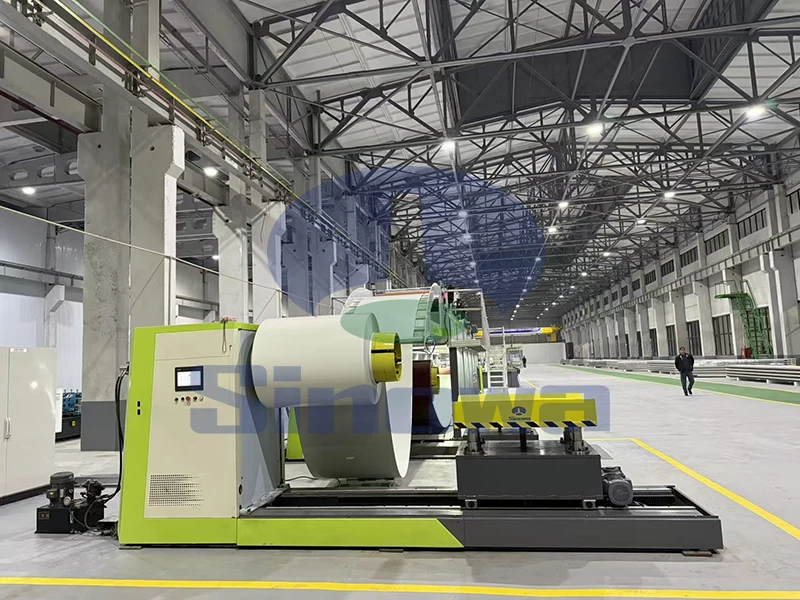
Bonding between the metal facing and the foam core is enabled by a thin primer or adhesive coating applied before the foam is dispensed. This intermediate layer wets the metal surface, bridges the surface tension gap, and prevents delamination under thermal cycling and mechanical stress. Some production lines apply the adhesive through roll coaters or spray nozzles that follow the coil width, while others rely on chemically activated primers already baked onto the coil at the coating stage. Either way, the adhesive must cure within the short dwell time of the double belt press.
Protective films are laminated onto the painted face coil at the start of the line to shield the finish from scratches, roller marks, and dust during roll-forming, pressing, cutting, and stacking. The film must have controlled tack: strong enough to stay on through production, yet removable without leaving residue after installation. Film width slightly exceeds the panel face to cover the folded edges, and it is typically applied with a silicone roller that eliminates air bubbles.
Side-joint geometry is formed inline by rolling the edges of the metal coil into male and female profiles. Some lines also insert separate sealing gaskets or thermal-break strips into the joint area to reduce cold bridging and improve air tightness. These gaskets are supplied in long reels or extruded profiles, fed through dedicated guides, and bonded mechanically or with a small amount of adhesive as the panel passes through the forming station.
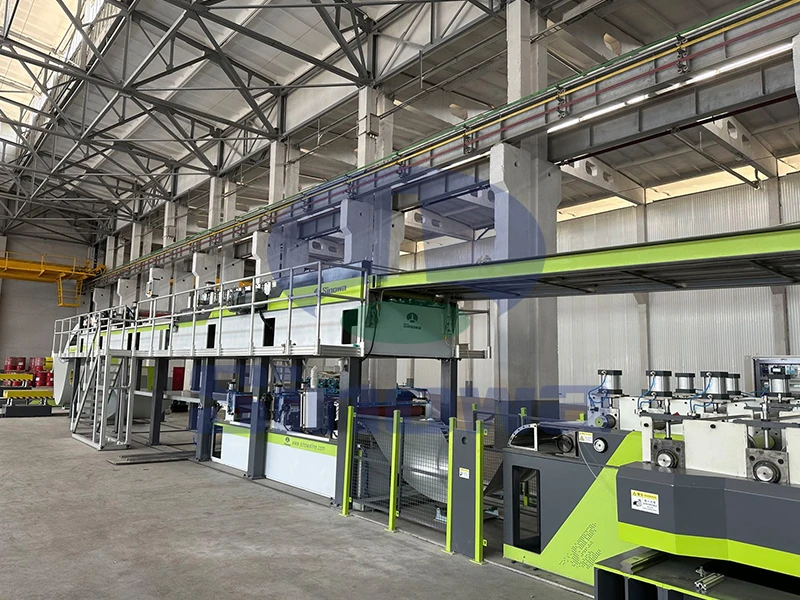
Processing aids and release agents keep the double belt press and cutting tools running cleanly. A release coating may be applied to the upper and lower conveyor belts so the expanding foam does not stick to the Teflon or stainless steel surface. Cleaning solvents, rags, and scraper blades are used between shifts to remove foam overspray from the cutting saw, profiling wheels, and edge guides. These consumables are small in volume but critical because any residue left on the belt imprints onto the finished panel face.
After the cured slab exits the double belt, a traveling circular saw cuts it to the specified length based on encoder signals from the line speed. The saw blade is a consumable that must be sharpened or replaced regularly to avoid burrs and dust. Dust extraction collectors immediately remove the fine polyurethane particles and metal filings generated during cutting and end-slotting, keeping the work area safe and the product clean.
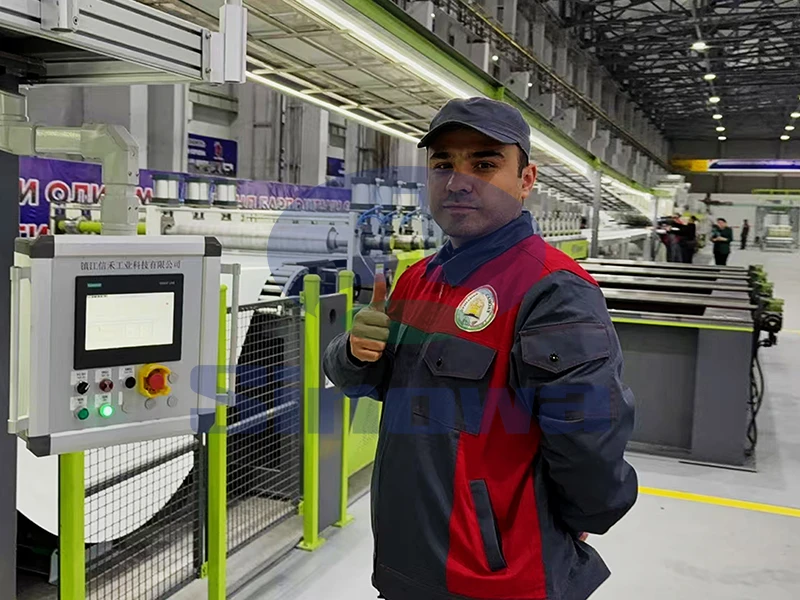
At the discharge end, finished panels are stacked by an automatic stacker and then wrapped for storage and transport. Stretch film, corner protectors, edge boards, and strapping band are used to prevent panels from shifting in the bundle and to keep the painted faces intact during handling. Wooden pallets or plastic skids elevate the stack off the floor and must be dry to avoid staining the bottom metal layer.
Consumable spare parts also form part of the raw material inventory: silicone sealing strips on the rollers, O-rings in the mixing head, filter elements for the chemical tanks, and cutting blades for the notching station. Because the line runs continuously at high speed, keeping these wear parts on hand prevents unexpected stoppages.
Overall, a well-organized material supply program matches coil inventory, chemical drum exchanges, film rolls, and auxiliary consumables to the production schedule. Temperature, humidity, and shelf-life controls for the polyurethane chemicals, combined with proper coil storage and clean handling, directly determine whether the line runs at full speed with consistent bond strength, dimensional accuracy, and surface finish.
Gallery of Continuous PU Sandwich Panel Production Line
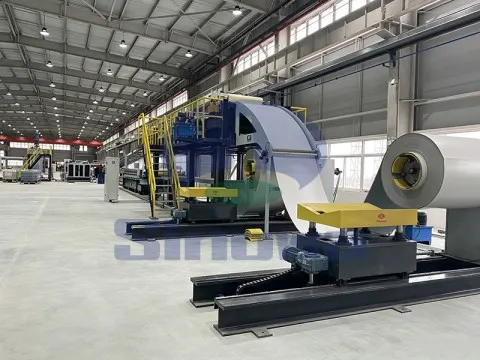
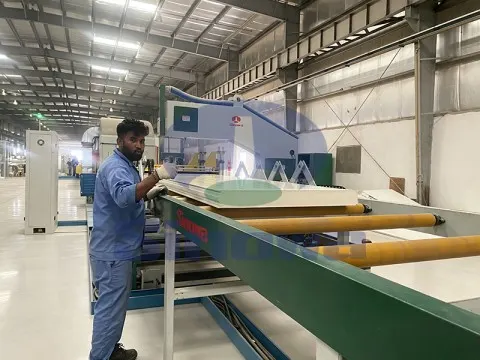
Tags: continuous pu sandwich panel production line, continuous pu sandwich panel production line manufacturer, continuous pu sandwich panel production line supplier, china continuous pu sandwich panel production line, continuous pu sandwich panel production line for sale
-
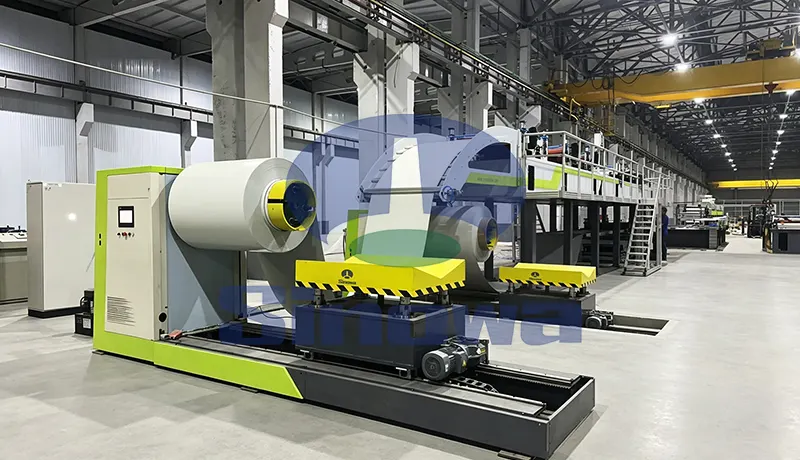
A reliable PU sandwich panel production line serves as the core equipment for manufacturing high-performance building insulation panels. This professional PU sandwich panel line features automated feeding, foaming and molding processes to ensure consistent panel thickness and structural stability. The well-designed polyurethane sandwich panel production line effectively improves production efficiency while reducing material waste in daily operation. Each calibrated polyurethane sandwich panel line can adapt to different panel sizes to meet diverse construction needs. With precise temperature and pressure control, the advanced continuous PU sandwich panel line produces panels with excellent thermal insulation and weather resistance. Meanwhile, the optimized PIR sandwich panel production line upgrades the foaming formula to enhance fire resistance performance. The high-efficiency PIR sandwich panel line maintains stable operation during long-term mass production, delivering durable and high-quality sandwich panels for various architectural and industrial applications.
-
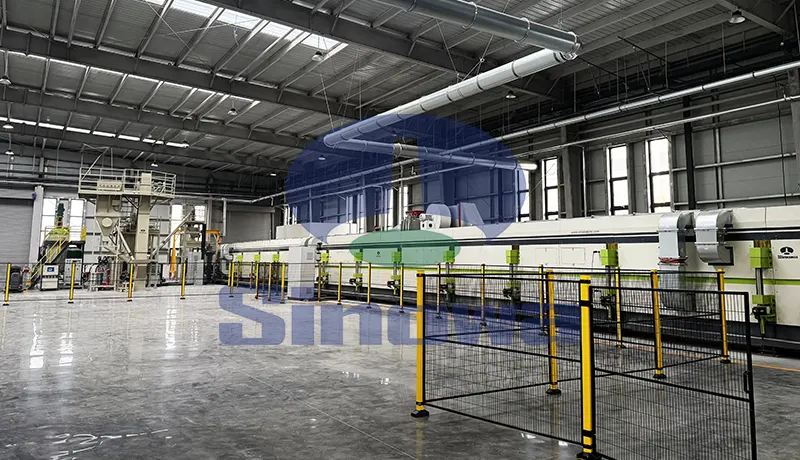
The phenolic panel production line realizes automated and continuous manufacturing of high-performance thermal insulation panels through streamlined and coordinated processing procedures.
-
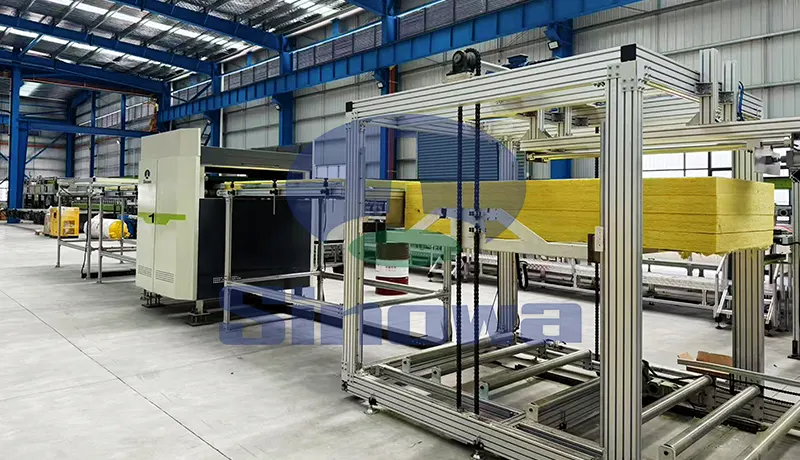
Modern insulation panel manufacturing relies on professional automated equipment to ensure stable product quality and high production efficiency. The rock wool sandwich panel production line features precise material lamination and forming processes to produce rigid, heat-insulating building panels. Meanwhile, the mineral wool sandwich panel production line adopts optimized assembly procedures to fabricate lightweight, soundproof panels widely used in architectural enclosure and thermal preservation projects.