Polyurethane Sandwich Panel Machine
Publication Date: Sep 30, 2026
Polyurethane sandwich panel machine is an integrated automated production system for composite insulation panels. It integrates material processing, foaming, molding and cutting, delivering high-efficiency, stable production of lightweight, heat-insulating panels for diverse construction and industrial applications.
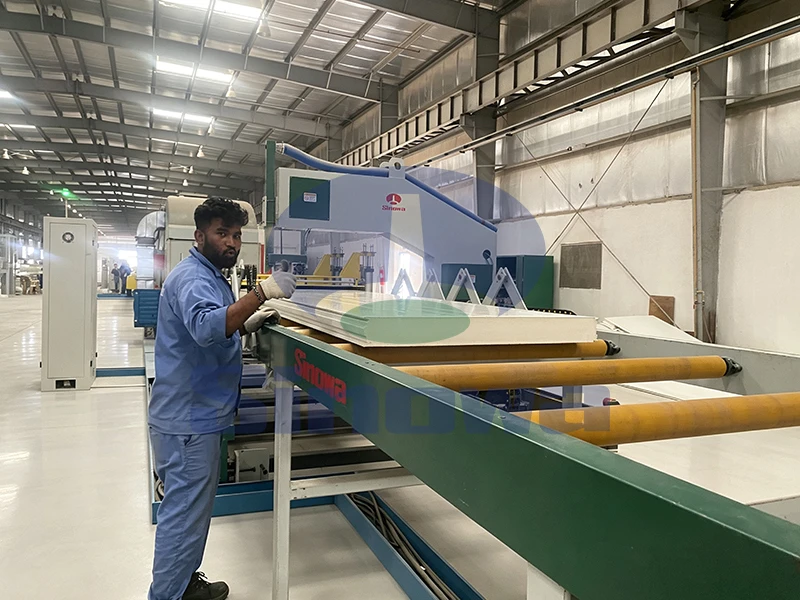
Basic Overview and Core Working Principle
Polyurethane sandwich panel machines are specialized automated production systems designed to fabricate high-performance composite sandwich panels used widely in modern construction, cold chain logistics and industrial enclosure projects. The core working principle centers on controlled polyurethane chemical foaming and continuous composite lamination, which bonds flexible surface materials with rigid foam core layers into integrated structural panels. Different from discrete processing equipment, this machine realizes one-stop continuous production from raw material input to finished product output. The whole production process relies on coordinated mechanical transmission, precise chemical reaction control and constant pressure temperature adjustment. Liquid polyurethane raw materials undergo accurate proportioning and full mixing inside sealed equipment units, then expand and foam evenly between upper and lower surface materials. After curing and shaping through constant-temperature channels, the materials form panels with uniform density, stable structure and strong overall adhesion. This working mode fundamentally avoids common defects such as hollow cores, uneven thickness and weak bonding that appear in traditional manual or semi-automatic production, ensuring consistent product quality in batch production.
Main Structural Composition of the Machine
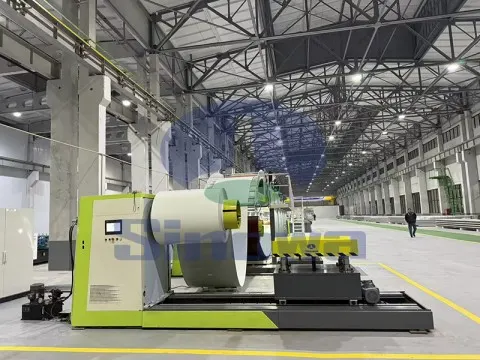
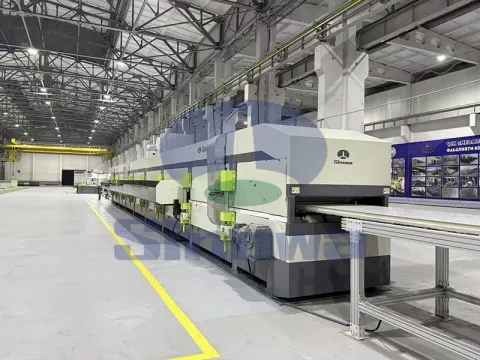
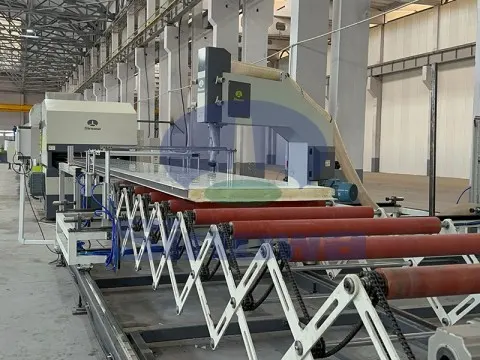
A complete polyurethane sandwich panel machine consists of multiple independent and collaboratively operating functional subsystems, each undertaking exclusive production tasks to support continuous and standardized manufacturing. The primary modules include surface material unwinding and pretreatment subsystem, polyurethane raw material metering and mixing subsystem, continuous foaming and composite molding subsystem, constant-temperature curing subsystem, intelligent trimming and sizing subsystem, and finished product conveying and stacking subsystem. The unwinding and pretreatment module handles coiled surface materials, maintaining stable material tension and flat feeding status to prevent wrinkling or offsetting during lamination. The metering and mixing module serves as the core unit, controlling the proportion, mixing speed and pressure of polyurethane raw materials to guarantee stable foaming reactions. The composite molding module adopts double-belt conveyor structures to fix panel thickness and apply uniform pressure for tight bonding. The curing system provides stable temperature environments to accelerate foam solidification and structural shaping, while the trimming and cutting module standardizes panel dimensions. All modules feature independent transmission and intelligent control components, realizing seamless connection of the whole production process.
Unique Foaming and Molding Technology
The foaming and molding technology is the most competitive core advantage of polyurethane sandwich panel machines, directly determining the thermal insulation performance, structural firmness and service life of finished panels. The equipment adopts high-pressure closed mixing and pouring technology, which fully blends multi-component polyurethane raw materials in a sealed environment to avoid external interference affecting chemical reactions. During production, mixed liquid raw materials are evenly poured between two layers of surface materials, then expand freely and stably in the confined space set by the double-belt conveyor. This controlled foaming mode effectively eliminates internal voids, crackles and density inconsistencies that occur in open foaming processes. Meanwhile, the equipment supports adjustable foaming density and expansion ratio, enabling adaptive production according to different usage scenarios. The integrated molding process combines foaming, bonding and shaping into one step, making the combination between the foam core and surface materials more compact and integrated. Compared with secondary composite processing technology, this one-time molding structure boasts higher overall rigidity and better anti-peeling performance, greatly improving the structural stability of finished panels in long-term use.
Automation and Intelligent Control System
Modern polyurethane sandwich panel machines are equipped with highly integrated intelligent control systems, realizing full-process automated operation and precise parameter adjustment to reduce manual intervention and production errors. The core control unit adopts programmable logic controllers that centrally manage the operating parameters of all functional modules, including feeding speed, raw material proportioning, foaming pressure, curing temperature and cutting length. Operators can set production parameters through a human-machine interaction interface, and the system will automatically complete continuous production operations. The built-in real-time monitoring module can track key production data in real time, automatically adjust parameter deviations caused by environmental changes or equipment operation wear, and maintain the stability of the production process. In addition, the intelligent system has automatic fault detection and early warning functions. When abnormal conditions such as material blockage, parameter deviation or equipment overload occur, the system will trigger early prompts and implement protective shutdown to avoid equipment damage and defective product output. The high degree of automation not only simplifies production operation procedures and reduces labor input, but also effectively improves production consistency and yield rate.
Advantages in Production Efficiency
Polyurethane sandwich panel machines deliver remarkable efficiency advantages compared with traditional semi-automatic production equipment and manual processing modes, meeting the large-scale and high-volume production demands of the modern composite panel industry. Relying on continuous assembly line operation, the equipment realizes uninterrupted feeding, foaming, molding, curing and cutting, eliminating frequent start-stop and material transfer links in intermittent production. The coordinated operation of multiple functional modules greatly shortens the single-panel production cycle and significantly improves unit-time output. Meanwhile, the precise intelligent parameter control reduces defective products and rework links caused by human operation errors, effectively improving effective production efficiency. The equipment supports continuous long-time stable operation, with stable mechanical structure and optimized transmission design reducing equipment failure rates and downtime losses. In addition, the integrated production mode saves intermediate handling and processing procedures of semi-finished products, optimizes the production layout, and improves the overall operational efficiency of the production line. For large-batch standardized panel production, the efficiency advantage of the equipment is particularly prominent, helping production enterprises shorten delivery cycles and improve market response capabilities.
Product Performance and Quality Stability
The standardized and precise production mode of polyurethane sandwich panel machines endows finished panels with excellent and stable comprehensive performance in thermal insulation, structural strength and durability. The precise raw material proportioning and uniform closed foaming enable the polyurethane foam core to form a fine and uniform microporous structure, which provides outstanding thermal insulation and heat preservation performance, effectively reducing heat conduction and energy consumption. The one-time composite molding technology ensures ultra-tight bonding between the foam core and surface materials, with no gaps or layering inside the panels, thus improving the overall structural rigidity and impact resistance of the products. The constant-temperature curing system enables sufficient and stable chemical reaction of polyurethane raw materials, making the foam structure more solid and stable, and avoiding deformation and performance attenuation caused by incomplete curing. In terms of dimensional accuracy, the intelligent fixed-length cutting and edge trimming system ensures consistent length, width and thickness of each batch of panels. The stable product quality not only improves the overall construction effect of engineering projects, but also extends the service life of sandwich panels in complex application environments.
Adaptability to Diverse Production Needs
Modern polyurethane sandwich panel machines feature strong production flexibility and scenario adaptability, which can meet the customized production needs of panels with different specifications, structures and performance attributes. The equipment supports flexible adjustment of core production parameters, including panel thickness, foaming density and composite structure, enabling the production of thin lightweight panels for building interior decoration and thick high-strength panels for exterior wall thermal insulation and cold storage engineering. In terms of surface materials, the machine is compatible with multiple mainstream materials such as color steel plates, aluminum plates and other metal plates, as well as partial non-metal decorative plates, realizing diversified matching of panel surface textures and performances. Besides conventional flat panels, the equipment can also produce special-shaped panels with customized structures by adjusting the molding and pressing modules, meeting the personalized needs of special building structures and industrial facilities. The modular design of the production line also supports flexible function expansion. According to production demands, auxiliary modules such as surface embossing and anti-corrosion coating treatment can be added, further enriching product types and improving product applicability in different fields. This strong adaptability makes the equipment suitable for multi-specification and multi-scenario production modes.
Energy Saving and Environmental Protection Characteristics
Polyurethane sandwich panel machines adopt optimized structural design and technological processes, with prominent energy-saving and environmental protection characteristics in the production process, conforming to the green development trend of the manufacturing industry. In terms of energy consumption, the equipment’s constant-temperature curing system adopts precise temperature control technology, which avoids invalid energy consumption caused by excessive temperature fluctuation and traditional constant heating. The optimized mechanical transmission structure reduces operation friction and power loss, effectively lowering the unit energy consumption of product production. In terms of environmental protection, the closed foaming and mixing system completely seals polyurethane raw materials and reaction processes, preventing volatile substances from leaking into the external environment and reducing production pollution. The precise raw material proportioning and pouring technology avoids raw material waste caused by manual operation errors, improving the utilization rate of chemical raw materials. Meanwhile, the high-precision molding and cutting process reduces leftover materials and defective products in the production process, lowering the generation of production waste. In addition, the panels produced by this equipment have excellent thermal insulation performance, which can effectively reduce the energy consumption of building operation and create indirect environmental protection benefits in the later application stage.
Daily Maintenance and Operation Management
Scientific daily maintenance and standardized operation management are key to ensuring the long-term stable operation and extending the service life of polyurethane sandwich panel machines. Daily operation management requires operators to strictly follow standardized operation procedures, complete parameter setting and equipment inspection before startup, and check the operating status of key modules such as raw material metering systems, transmission structures and temperature control systems. During operation, real-time monitoring of production parameters and equipment operating conditions is required to handle abnormal situations in a timely manner and avoid equipment overload operation. In terms of daily maintenance, regular cleaning of the equipment’s feeding, foaming and cutting modules is needed to prevent material residue accumulation from affecting production accuracy and equipment operation. Lubrication maintenance of transmission bearings, guide rails and other moving parts should be carried out regularly to reduce mechanical wear and operation noise. The intelligent control system and sensor components need regular calibration to ensure the accuracy of parameter monitoring and adjustment. In addition, regular inspection and maintenance of sealing parts and temperature control components can effectively avoid equipment failures such as material leakage and temperature deviation. Perfect maintenance management can significantly reduce equipment failure rates, stabilize production efficiency and reduce long-term operation costs.
Application Prospects and Industry Value
With the rapid development of green building, cold chain logistics and industrial manufacturing industries, polyurethane sandwich panel machines have shown broad application prospects and important industry value. The high-performance panels produced by the equipment are widely used in building exterior and interior wall insulation, roof enclosure, cold storage and refrigeration workshop construction, portable prefabricated buildings and other fields, providing efficient and energy-saving material solutions for modern engineering construction. The equipment’s high-efficiency and standardized production mode promotes the iterative upgrading of the sandwich panel manufacturing industry, replacing traditional backward production processes and improving the overall industrial production level and product quality. From the perspective of industrial development, the continuous optimization and upgrading of polyurethane sandwich panel machine technology drives the innovation of composite panel performance, promoting the development of building enclosure materials towards lightweight, high-efficiency thermal insulation, environmental protection and durability. Meanwhile, the equipment’s flexible production capacity meets the increasingly diversified and personalized market demand, helping related manufacturing enterprises enhance market competitiveness. As the demand for energy-saving and green buildings continues to grow globally, the market application space of polyurethane sandwich panel machines will be further expanded, bringing sustained economic and social value to the manufacturing and construction industries.
Gallery of Polyurethane Sandwich Panel Machine
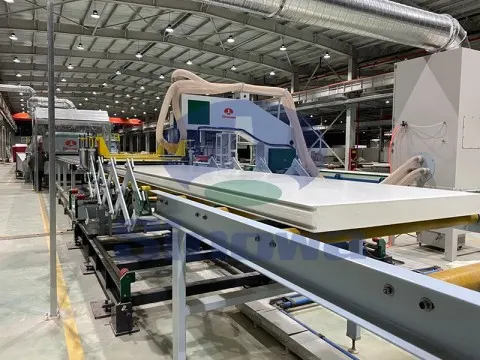
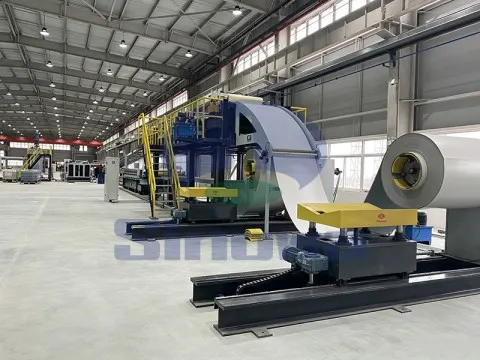
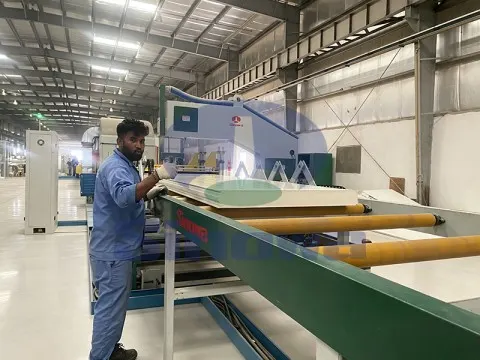
Tags: polyurethane sandwich panel machine, polyurethane sandwich panel machine manufacturer, polyurethane sandwich panel machine supplier, china polyurethane sandwich panel machine, polyurethane sandwich panel machine for sale
-

A reliable PU sandwich panel production line serves as the core equipment for manufacturing high-performance building insulation panels. This professional PU sandwich panel line features automated feeding, foaming and molding processes to ensure consistent panel thickness and structural stability. The well-designed polyurethane sandwich panel production line effectively improves production efficiency while reducing material waste in daily operation. Each calibrated polyurethane sandwich panel line can adapt to different panel sizes to meet diverse construction needs. With precise temperature and pressure control, the advanced continuous PU sandwich panel line produces panels with excellent thermal insulation and weather resistance. Meanwhile, the optimized PIR sandwich panel production line upgrades the foaming formula to enhance fire resistance performance. The high-efficiency PIR sandwich panel line maintains stable operation during long-term mass production, delivering durable and high-quality sandwich panels for various architectural and industrial applications.
-

The phenolic panel production line realizes automated and continuous manufacturing of high-performance thermal insulation panels through streamlined and coordinated processing procedures.
-

Modern insulation panel manufacturing relies on professional automated equipment to ensure stable product quality and high production efficiency. The rock wool sandwich panel production line features precise material lamination and forming processes to produce rigid, heat-insulating building panels. Meanwhile, the mineral wool sandwich panel production line adopts optimized assembly procedures to fabricate lightweight, soundproof panels widely used in architectural enclosure and thermal preservation projects.