Cold Storage Sandwich Panel Production Line
Publication Date: Oct 6, 2026
The cold storage sandwich panel production line is an integrated automated system for manufacturing high-performance insulated panels. It integrates multiple processing procedures to produce durable, heat-insulating panels tailored for cold storage construction, supporting efficient and standardized industrial production.
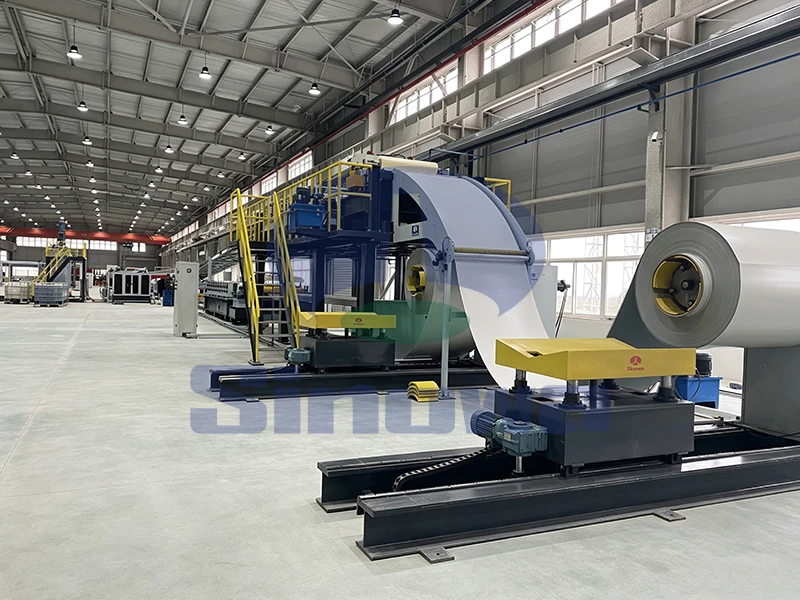
Core Functions and Industrial Value of the Production Line
The cold storage sandwich panel production line serves as the core equipment for manufacturing special building panels used in low-temperature storage environments, focusing on integrating thermal insulation, structural stability and airtightness in finished products. Unlike ordinary building sandwich panel lines, it is optimized exclusively for cold storage operational demands, prioritizing low thermal conductivity, strong anti-deformation ability and excellent moisture resistance of panels. This automated production system combines mechanical transmission, precise chemical metering, constant-temperature curing and intelligent cutting technologies to realize continuous and streamlined production. Its industrial value lies in solving the shortcomings of traditional manual or semi-automatic production, such as inconsistent panel performance, low production efficiency and high material waste. By unifying production parameters and processing standards, the line ensures every batch of panels maintains stable thermal insulation and mechanical properties, which is crucial for reducing cold storage energy consumption and extending the service life of cold storage facilities. In modern cold chain infrastructure construction, this production line has become indispensable supporting equipment, providing standardized and high-quality panel materials for various cold storage projects.
Overall Structural Composition of the Production Line
A complete cold storage sandwich panel production line consists of multiple interconnected functional modules, each undertaking independent and collaborative processing tasks to form a closed-loop production system. The main structural parts include raw material unwinding and preprocessing unit, surface plate forming unit, core material mixing and pouring unit, laminating and curing unit, precision cutting unit, edge trimming unit and finished product stacking unit. All modules are connected by synchronous transmission equipment to achieve uninterrupted material operation, avoiding production stagnation caused by manual handling and docking. The front-end unwinding unit is responsible for releasing metal surface materials and completing preliminary leveling, cleaning and edge shaping to eliminate surface impurities and structural warping. The mid-end core processing and laminating unit is the key functional area, realizing composite bonding of surface materials and thermal insulation core materials. The back-end finishing units complete size calibration, shape trimming and automatic stacking of finished panels. The modular structural design not only simplifies daily maintenance and equipment debugging, but also supports flexible adjustment of production parameters to adapt to different panel thicknesses and specifications.
Raw Material Preprocessing and Unwinding Process
Raw material preprocessing is the initial and foundational link of the entire production process, directly affecting the flatness and bonding effect of subsequent composite panels. The production line is mainly matched with coiled metal surface materials and polymer thermal insulation core raw materials. The unwinding unit adopts automatic tension control technology to ensure stable and uniform release of coiled materials without loose winding or excessive tension deformation. During the unwinding process, the integrated cleaning and leveling device removes dust, oil stains and oxide layers on the surface of metal materials, creating a clean bonding interface for subsequent composite processing. Meanwhile, the edge shaping mechanism performs fine trimming on the two sides of the metal plate to ensure consistent width and neat edges of the plate, avoiding uneven bonding gaps in later lamination. The preprocessing link also includes material quality inspection and early warning functions. The equipment automatically identifies abnormal conditions such as plate surface damage and thickness deviation, and feeds back information in real time to adjust production status. Standardized preprocessing operations eliminate raw material defects in advance, lay a solid foundation for stable forming and high-strength bonding of sandwich panels, and effectively reduce the defective rate of finished products.
Precision Roll Forming of Surface Plates
Surface plate roll forming is a key process to shape the outer protective structure of cold storage sandwich panels, determining the overall flatness, edge structure and assembly performance of finished panels. After preprocessing, the flat metal plate is sent to the multi-group roller forming system through synchronous transmission. The roller sets with customized groove structures perform gradual cold pressing and bending on the plate, processing the flat plate into the special groove and edge-locking structure required for cold storage panel assembly. This gradual forming mode avoids sudden stress concentration on the plate, preventing surface cracking and structural deformation. The roll forming system supports flexible adjustment of forming parameters, which can adapt to different panel width and thickness specifications, and meet the assembly requirements of various cold storage wall and roof panels. In the forming process, the intelligent detection module monitors the plate forming dimension in real time, automatically fine-tunes the roller gap and pressing force, and ensures the consistency of plate forming accuracy. The formed surface plate has uniform structural size and smooth surface, which not only improves the appearance quality of the panel, but also enhances the assembly tightness between panels in cold storage construction.
High-Precision Core Material Mixing and Pouring
Core material mixing and pouring is the core process that determines the thermal insulation performance of cold storage sandwich panels, and its processing accuracy directly affects the low-temperature resistance and energy-saving effect of finished products. The production line adopts a fully automatic proportional metering and high-pressure mixing system for polymer core raw materials. Different core material components are transported to the mixing chamber through independent precision metering units, which strictly control the feeding ratio and flow rate of each component to ensure uniform mixing of raw materials. The high-pressure mixing mode makes the core material components fully fused without local uneven proportion, avoiding foaming defects such as hollow holes and uneven density inside the core layer. After mixing, the fluid core material is evenly poured on the surface of the lower formed metal plate through the precise pouring head. The pouring system can adjust the pouring thickness and coverage area according to the preset panel specifications, realizing full and uniform coverage of the plate surface. This precise mixing and pouring process ensures that the core layer of the panel has consistent density and porous structure, giving the panel excellent and stable thermal insulation performance, and effectively isolating internal and external temperature transfer of the cold storage.
Constant-Temperature Laminating and Foaming Curing
Laminating and curing is the key link to realize composite bonding of surface plate and core material, and shape the integral structure of sandwich panels. After the core material is poured, the upper and lower formed metal plates clamp the fluid core material and enter the double-belt laminating press for composite processing. The closed pressing environment provides stable and uniform pressing force, which makes the core material fully fill the gap between the upper and lower plates and form a flat overall structure. Meanwhile, the constant-temperature heating system of the press maintains a stable curing temperature inside the equipment, providing a suitable temperature condition for the foaming and solidification of the core material. In the constant-temperature environment, the core material undergoes continuous foaming, expansion and curing reactions, gradually forming a dense and elastic porous thermal insulation layer, and achieving high-strength bonding with the metal surface plate. The segmented curing design enables the panel to complete staged solidification in the transmission process, avoiding structural deformation and bonding failure caused by excessive rapid or slow curing. After full curing, the surface plate and core material form an integrated structure with strong bonding force, excellent structural stability and outstanding anti-stripping performance.
Intelligent Fixed-Length Cutting and Shaping
After curing and forming, the continuous integral panel enters the intelligent cutting unit for fixed-length segmentation and shaping processing. The production line adopts flying saw cutting technology, which can complete precise cutting in the synchronous moving state of the panel, realizing non-stop continuous production and greatly improving production efficiency. The system supports flexible setting of cutting length according to customer demand, and the intelligent control system automatically calibrates the cutting position to ensure consistent size accuracy of each finished panel. The high-speed cutting tool has smooth cutting effect without burrs and edge collapses, ensuring neat and flat panel end faces. In addition to fixed-length cutting, this link also completes preliminary shaping of the panel edges, trimming tiny deformations and uneven parts generated in the lamination and curing process. The real-time size detection device synchronously checks the length, width and flatness of the cut panels, screens out products with size deviation, and ensures that all qualified panels meet the dimensional matching requirements of cold storage engineering assembly. This automated cutting and shaping process replaces traditional manual measurement and cutting, effectively improving product consistency and processing precision.
Fine Edge Trimming and Surface Finishing
Fine edge trimming and surface finishing are important processes to optimize the appearance quality and assembly performance of cold storage sandwich panels. After fixed-length cutting, the panel is sent to the edge trimming unit to perform fine processing on the four sides of the panel. The professional trimming equipment polishes and repairs the cutting edges, removes residual burrs and tiny cracks, and makes the panel edges smooth and neat. For the assembly grooves and locking edges of the panel, the precision trimming mechanism performs secondary calibration to ensure the accuracy of the assembly structure, so that the panels can be closely matched and installed in cold storage construction without gaps. At the same time, the surface finishing unit cleans the panel surface, removes residual dust and processing debris generated in the production process, and inspects the surface for scratches, depressions and other defects. Minor surface flaws are repaired in real time through the finishing process, ensuring that the finished panel has a smooth and flat surface and uniform appearance. This fine processing link effectively improves the overall quality grade of the panel and enhances the airtightness and aesthetics of cold storage after installation.
Automatic Stacking and Finished Product Output
Automatic stacking and output is the final link of the production line, realizing automatic collection and standardized arrangement of finished panels and laying a foundation for subsequent transportation and storage. The qualified panels after finishing are automatically transported to the stacking station through the transmission system. The intelligent stacking manipulator accurately grabs and places the panels according to the preset stacking sequence and height, realizing neat and orderly stacking of finished products. The stacking equipment has buffer protection function, which can avoid surface scratch and structural damage caused by collision and extrusion between panels during stacking. Meanwhile, the system automatically counts the number of finished products, records production data in real time, and facilitates production statistics and inventory management. The stacked finished panels are arranged in a standardized manner, which is convenient for subsequent packaging, handling and transportation. The fully automatic stacking mode replaces manual stacking, not only improves production efficiency, but also avoids panel damage and messy arrangement caused by manual operation, ensuring the integrity and uniformity of finished products before leaving the factory.
Production Line Operation Advantages and Quality Stability
The cold storage sandwich panel production line has prominent operational advantages in automated production, product quality control and production efficiency. The whole line adopts integrated intelligent control, realizing synchronous linkage of all functional modules, with high production automation and low dependence on manual operation, which effectively reduces human error in the production process. The closed and continuous production mode avoids external environmental interference on raw material processing and panel curing, ensuring stable product performance in different production batches. In terms of quality stability, the precise parameter control system realizes unified management of core links such as raw material proportioning, curing temperature, pressing force and cutting size, making the thermal insulation performance, structural strength and dimensional accuracy of each panel highly consistent. In addition, the production line has low material waste rate and high production continuity, which can realize long-term stable batch production. The panels produced by this line have good low-temperature resistance, moisture resistance and structural stability, which can adapt to the long-term low-temperature operation environment of cold storage and effectively reduce the maintenance cost of cold storage facilities in the later stage.
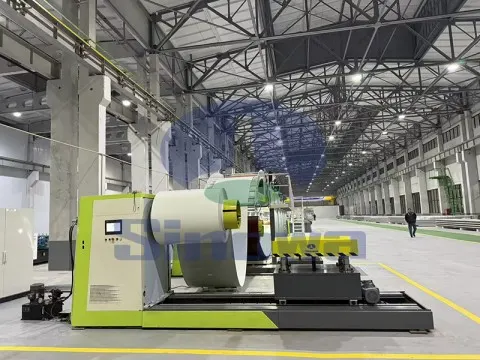
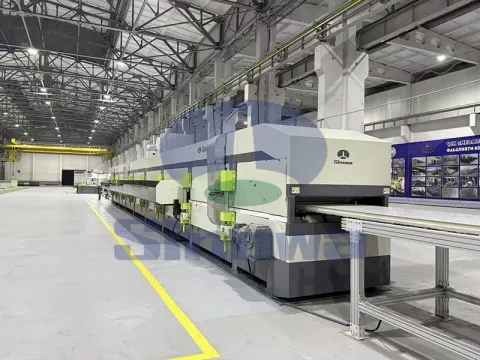
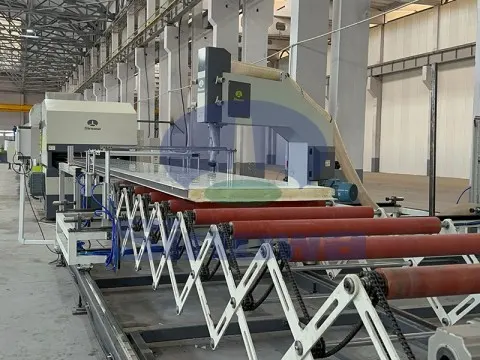
Gallery of Cold Storage Sandwich Panel Production Line
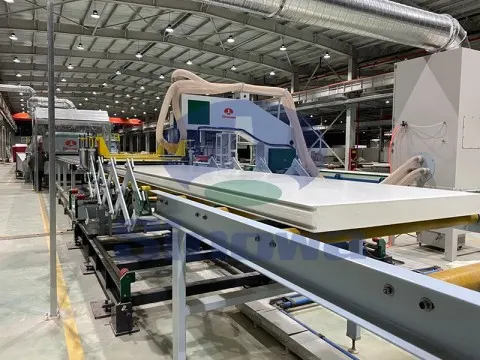
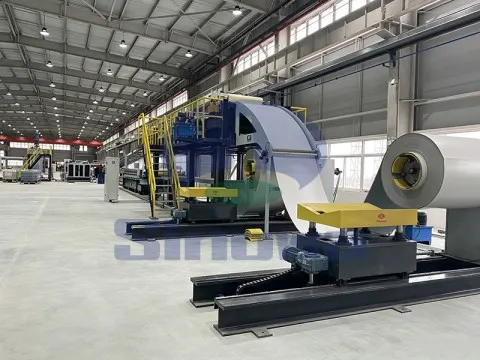
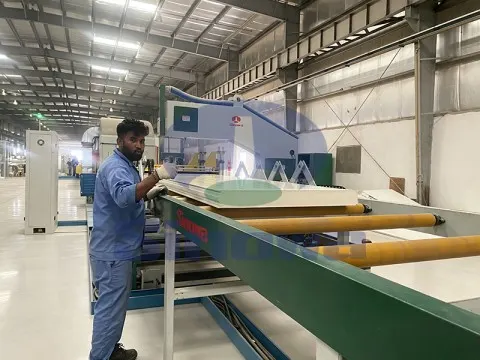
Tags: cold storage sandwich panel production line, cold storage sandwich panel production line manufacturer, cold storage sandwich panel production line supplier, china cold storage sandwich panel production line, cold storage sandwich panel production line for sale
-
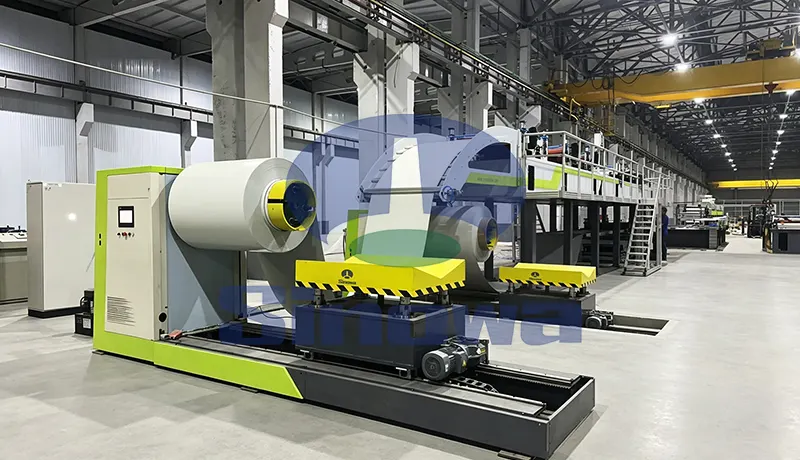
A reliable PU sandwich panel production line serves as the core equipment for manufacturing high-performance building insulation panels. This professional PU sandwich panel line features automated feeding, foaming and molding processes to ensure consistent panel thickness and structural stability. The well-designed polyurethane sandwich panel production line effectively improves production efficiency while reducing material waste in daily operation. Each calibrated polyurethane sandwich panel line can adapt to different panel sizes to meet diverse construction needs. With precise temperature and pressure control, the advanced continuous PU sandwich panel line produces panels with excellent thermal insulation and weather resistance. Meanwhile, the optimized PIR sandwich panel production line upgrades the foaming formula to enhance fire resistance performance. The high-efficiency PIR sandwich panel line maintains stable operation during long-term mass production, delivering durable and high-quality sandwich panels for various architectural and industrial applications.
-
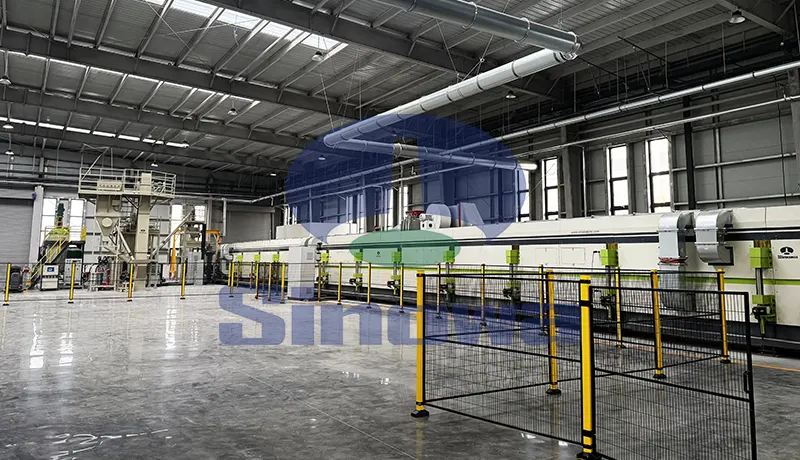
The phenolic panel production line realizes automated and continuous manufacturing of high-performance thermal insulation panels through streamlined and coordinated processing procedures.
-
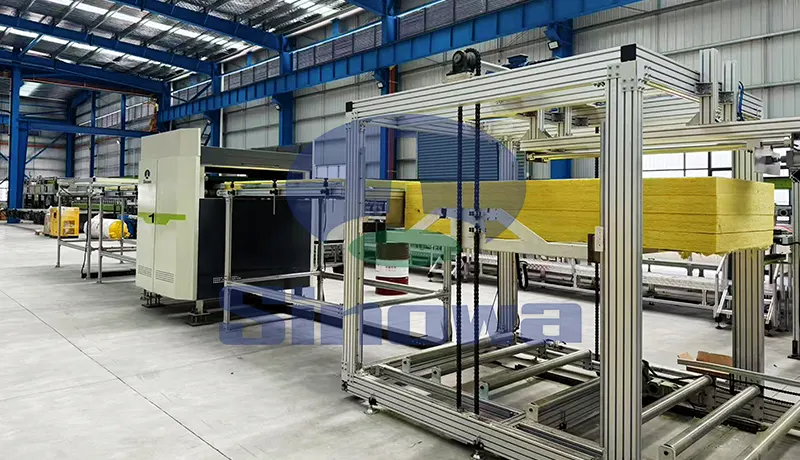
Modern insulation panel manufacturing relies on professional automated equipment to ensure stable product quality and high production efficiency. The rock wool sandwich panel production line features precise material lamination and forming processes to produce rigid, heat-insulating building panels. Meanwhile, the mineral wool sandwich panel production line adopts optimized assembly procedures to fabricate lightweight, soundproof panels widely used in architectural enclosure and thermal preservation projects.