Sandwich Panel Machinery
Publication Date: Oct 12, 2026
Sandwich panel machinery for PU, PIR, phenolic, rock wool, mineral wool & glass wool. Automatic lines for insulation & fire‑resistant building panels.
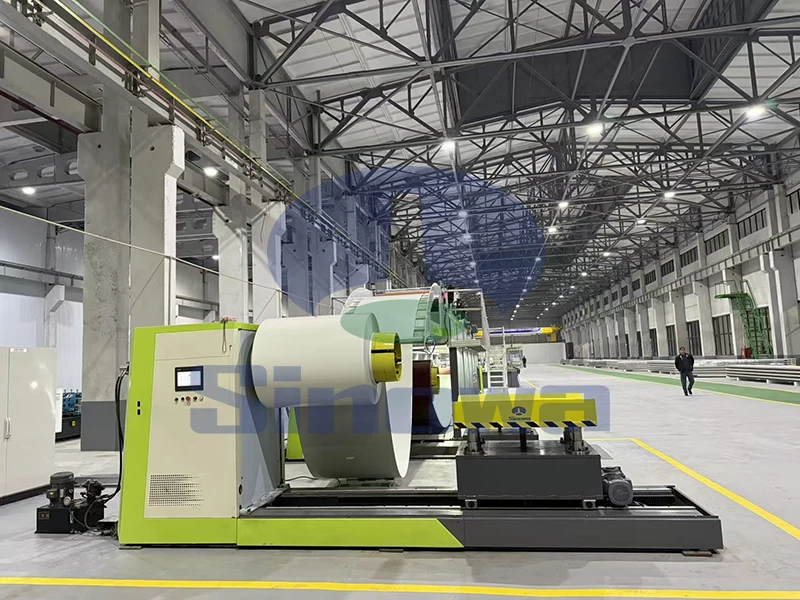
Overview of Modern Sandwich Panel Production Machinery
Sandwich panel machinery refers to integrated automated production systems designed to manufacture composite insulation panels with dual-sided metal facings and diverse core materials. These production lines integrate unwinding, leveling, core material laying, bonding, continuous molding, cutting and stacking processes, realizing streamlined mass production of building insulation panels. Modern equipment is highly adaptable, supporting the processing of six mainstream core materials: polyurethane, PIR, phenolic, rock wool, mineral wool and glass wool, each with customized production parameters to match unique material characteristics. The finished panels are widely applied in building exterior walls, roofing systems, cold storage facilities, purification workshops and industrial factory enclosures. Different core material configurations endow panels with differentiated advantages in thermal insulation, fire resistance, sound insulation and weight reduction. Professional machinery calibration ensures stable panel density, uniform thickness and firm bonding between facings and core layers, meeting the diverse functional demands of modern architectural energy-saving and fireproof construction. With intelligent control systems, the machinery adjusts production parameters in real time, improving production consistency and reducing material waste for large-scale construction projects.
Polyurethane Sandwich Panel Machinery and Core Applications
Polyurethane (PU) sandwich panel machinery is a specialized continuous production system optimized for flexible and rigid PU foam core panels, featuring high-precision foaming and molding modules. The equipment adopts high-pressure mixing technology to proportion raw materials accurately, ensuring uniform foaming density and fine cellular structure inside the PU core. During production, metal sheets are automatically leveled and conveyed, while liquid polyurethane raw materials are evenly poured and foamed between the upper and lower facings, forming an integrated composite structure through constant-temperature curing. This type of machinery excels in producing lightweight, high-insulation panels with excellent thermal conductivity performance, making it ideal for energy-saving building envelopes. The panels manufactured by PU machinery are mainly used for building wall panels and roof panels for civil and industrial buildings, providing efficient thermal insulation to reduce building energy consumption. Additionally, the superior low-temperature resistance of PU foam makes these panels a primary choice for cold storage and low-temperature warehouse enclosure panels. The fully automated operation of the machinery ensures high production efficiency, with stable bonding strength that prevents delamination and deformation during long-term use, adapting to various conventional building insulation scenarios with cost-effective and reliable performance.
PIR Sandwich Panel Machinery for Enhanced Thermal and Fire Performance
PIR sandwich panel machinery is an upgraded iteration based on traditional polyurethane production equipment, specially modified for polyisocyanurate foam core molding. Different from standard PU equipment, this machinery is equipped with optimized raw material reaction control, temperature regulation and pressure stabilization systems to adapt to the unique polymerization characteristics of PIR materials. The precision control system ensures thorough molecular reaction of PIR raw materials, forming a compact, rigid and heat-resistant foam core with more stable molecular structure than ordinary polyurethane. Panels produced by PIR machinery feature improved thermal stability and flame retardancy while retaining excellent thermal insulation and lightweight properties. These advantages make PIR panels widely used in high-standard industrial wall panels, building exterior roof panels and professional cold storage panels. In low-temperature environments, PIR core materials maintain stable physical properties without shrinkage or embrittlement, ensuring long-term insulation efficiency of cold storage facilities. Moreover, the enhanced fire resistance expands its application in public buildings and industrial plants with strict fire protection requirements. The modular design of PIR production machinery allows flexible adjustment of panel thickness and density, meeting customized production demands for different architectural insulation and fireproof specifications.
Phenolic Sandwich Panel Machinery for High-Fire-Risk Scenarios
Phenolic sandwich panel machinery is professional equipment tailored for phenolic foam core composite panels, focusing on realizing the stable molding of phenolic materials with excellent fireproof and heat-insulating properties. The machinery is equipped with dedicated raw material feeding and low-speed uniform mixing devices to avoid excessive reaction heat, ensuring the phenolic foam forms a uniform microporous structure with low water absorption and high temperature resistance. Unlike PU and PIR equipment, phenolic panel production requires stricter curing temperature and time control, and the specialized mechanical configuration effectively solves the problems of brittle core and uneven foaming of traditional phenolic panels. Finished phenolic sandwich panels produced by this equipment have outstanding fire resistance, low smoke density and high temperature resistance, making them suitable for extreme fire-risk building scenarios. The panels are commonly used as fireproof wall panels and roof panels for industrial workshops, purification buildings and public facilities, as well as partition panels for special industrial areas. In addition, the good corrosion resistance and thermal stability of phenolic panels also make them applicable for exterior wall insulation of high-rise buildings. The machinery’s precise parameter control guarantees consistent product quality, ensuring each panel maintains stable fireproof and insulation performance in long-term service.
Rock Wool Sandwich Panel Machinery for Industrial Fireproof Construction
Rock wool sandwich panel machinery is professional automated equipment designed for inorganic rock wool core composite panels, adopting dry material laying and high-strength bonding molding technology. Different from foam core panel machinery, this equipment is equipped with automatic rock wool cutting, arranging and gluing systems, which can neatly arrange rock wool strips in uniform directions to ensure the overall structural compactness of the core layer. The mechanical pressing and curing system enables firm adhesion between rock wool core and metal facings, avoiding core displacement and delamination. Rock wool panels produced by this machinery feature excellent non-combustible performance, high sound insulation and compression resistance, becoming core materials for building fireproof and sound insulation. These panels are widely used as fireproof wall panels and roof panels for steel structure factories, industrial workshops and warehouse buildings, effectively blocking flame spread in case of fire. Meanwhile, the good sound absorption performance makes them suitable for partition walls of noisy industrial workshops. In addition, rock wool sandwich panels are also applied in building exterior wall insulation systems, providing dual functions of fire protection and energy saving. The machinery supports continuous large-scale production, with high production efficiency and stable product mechanical properties, adapting to the high-demand construction of industrial building envelopes.
Mineral Wool Sandwich Panel Machinery for Versatile Insulation Solutions
Mineral wool sandwich panel machinery is a universal production device for composite panels with mineral wool core, integrating the advantages of flexible material processing and multi-scenario adaptation. Mineral wool, as a general term for inorganic fibrous insulation materials, has moderate fire resistance, thermal insulation and sound absorption properties, and the supporting machinery is optimized for the fibrous structure characteristics of mineral wool. The equipment realizes automatic material spreading, precise pressing and uniform glue coating, ensuring that the mineral wool core is tightly combined with metal panels without gaps or loose layers. Compared with rock wool production equipment, mineral wool panel machinery has stronger material adaptability and more flexible parameter adjustment, with lower production cost while maintaining reliable basic performance. The finished mineral wool sandwich panels are widely used in conventional industrial and civil building wall panels, roof insulation panels, and temporary prefabricated building enclosure panels. They are also commonly used for auxiliary insulation and sound insulation of warehouse buildings and ordinary cold storage auxiliary partitions. The machinery’s simplified and efficient production process reduces operation difficulty and maintenance costs, making it suitable for medium and large-scale production of general-purpose insulation panels, balancing product performance and economic benefits for various ordinary construction insulation projects.
Glass Wool Sandwich Panel Machinery for Lightweight Sound Insulation Applications
Glass wool sandwich panel machinery is specialized equipment for producing lightweight glass wool core composite panels, focusing on retaining the soft fibrous and high sound-absorbing characteristics of glass wool materials. The machinery adopts low-pressure gentle pressing and targeted bonding technology to avoid crushing the fine glass wool fiber structure, ensuring the core layer maintains porous and elastic characteristics. The automated production line completes metal sheet forming, glass wool laying, composite bonding and fixed-length cutting in one go, with high production precision and no damage to the core material structure. Glass wool panels produced by this equipment are ultra-lightweight with excellent sound insulation, noise reduction and heat preservation effects, and have low thermal conductivity and good air permeability. These panels are mostly used for building interior wall insulation panels, roof sound insulation layers, and partition panels of office buildings and commercial spaces. In addition, they are widely applied in the insulation and noise reduction of industrial equipment rooms and light-duty building enclosure structures. Different from heavy rock wool and mineral wool panels, glass wool sandwich panels are easier to transport and install, and the supporting machinery’s lightweight production positioning makes it ideal for processing high-efficiency sound-insulation and heat-preservation panels for light building structures.
Key Production Differences Among Six Types of Panel Machinery
The six categories of sandwich panel machinery differ significantly in production principles, processing parameters and core material adaptation, forming a differentiated product system. PU and PIR machinery belong to liquid foaming molding equipment, relying on high-pressure chemical mixing and curing to form foam cores, with fast molding speed and high panel integrity; PIR machinery upgrades temperature and pressure control based on PU equipment to adapt to high-performance flame-retardant foaming. Phenolic machinery also adopts chemical foaming but requires lower reaction temperature and stricter process control to prevent core brittleness. In contrast, rock wool, mineral wool and glass wool machinery are dry fiber laying equipment, without chemical foaming process, focusing on precise cutting, arranging and physical bonding of fibrous materials. Rock wool machinery emphasizes high-density pressing to ensure fire resistance and compression resistance; mineral wool machinery pursues universal adaptability and cost performance; glass wool machinery adopts low-pressure molding to protect fiber sound-absorbing structure. In terms of finished products, foam core machinery is more suitable for cold storage and high-energy-saving building panels, while fiber core machinery dominates fireproof and sound-insulation building wall and roof panels. These mechanical differences precisely match the diverse functional needs of modern construction, covering all mainstream insulation and fireproof panel application scenarios.
Scenario Matching of Sandwich Panels from Different Machinery
Each type of sandwich panel machinery targets exclusive application scenarios based on product performance characteristics, realizing precise matching of equipment, products and construction demands. PU panel machinery is the preferred equipment for conventional cold storage panels and general building wall and roof panels, balancing insulation effect and production cost. PIR panel machinery serves high-standard cold storage, low-temperature logistics warehouses and high-grade industrial building envelopes with higher fire and insulation requirements. Phenolic panel machinery is mainly used for fireproof exterior wall panels and special building roof panels in high-fire-risk areas. Rock wool panel machinery focuses on industrial factory fireproof wall panels, large warehouse roof panels and building fire partition panels. Mineral wool panel machinery is widely used in prefabricated buildings, ordinary industrial and civil wall insulation panels and auxiliary cold storage insulation structures. Glass wool panel machinery is dedicated to interior sound insulation panels, light building roof insulation and commercial space partition panels. The diversified mechanical configurations enable manufacturers to produce targeted panels for different scenarios, including cold storage constant temperature, building energy saving, fire prevention and sound insulation, covering the full range of modern building insulation and protection demands.
Development Trends of Modern Sandwich Panel Machinery
With the continuous upgrading of building energy-saving and safety requirements, sandwich panel machinery is developing towards intelligence, multi-functionality and high precision. Modern equipment integrates intelligent PLC control systems, realizing automatic adjustment of production parameters, real-time monitoring of foaming density, bonding strength and panel thickness, effectively improving product consistency and yield. Multi-functional integrated machinery has become a mainstream trend, which can switch production between PU, PIR and phenolic foam panels or different fiber core panels through simple parameter adjustment and module replacement, reducing equipment investment costs for manufacturers. In terms of production technology, energy-saving transformation is continuously promoted, with optimized heating and foaming systems reducing energy consumption per unit product. Meanwhile, the machinery’s precision processing capability is continuously improved, realizing thinner tolerance control and more stable structural bonding of finished panels. In the future, with the rapid development of prefabricated buildings and green energy-saving buildings, six types of sandwich panel machinery will further optimize professional performance, adapt to more personalized building construction demands, and provide more efficient and reliable equipment support for the construction insulation industry.
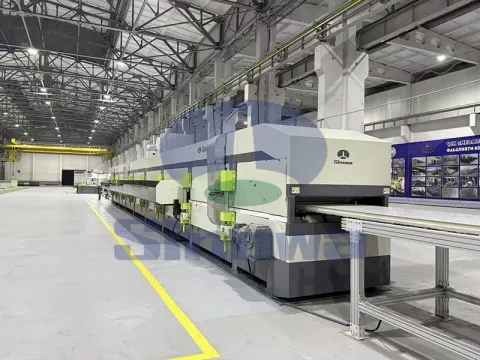
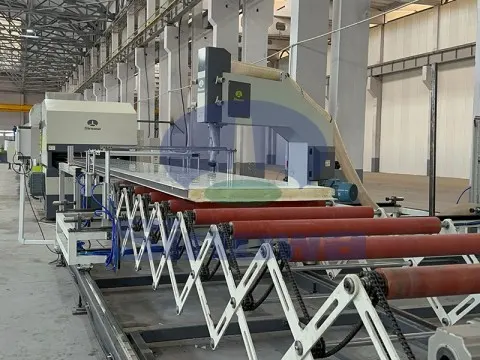
Gallery of Sandwich Panel Machinery
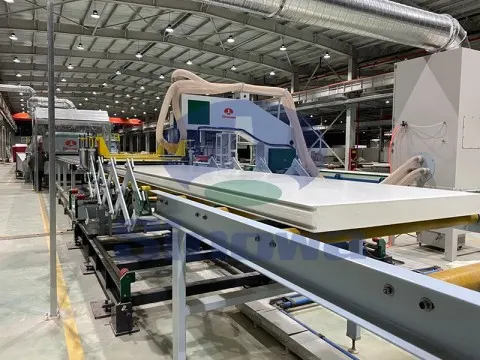
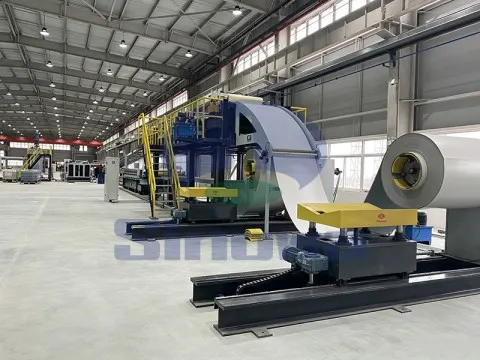
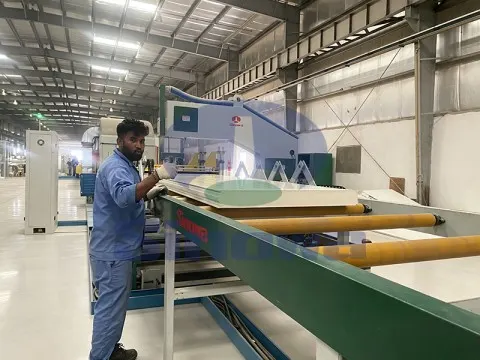
Tags: sandwich panel machinery, sandwich panel machinery manufacturer, sandwich panel machinery supplier, china sandwich panel machinery, sandwich panel machinery for sale
https://www.sandwichpanelmanufacturingline.com/sandwich-panel-machines/sandwich-panel-machinery.html
-

A reliable PU sandwich panel production line serves as the core equipment for manufacturing high-performance building insulation panels. This professional PU sandwich panel line features automated feeding, foaming and molding processes to ensure consistent panel thickness and structural stability. The well-designed polyurethane sandwich panel production line effectively improves production efficiency while reducing material waste in daily operation. Each calibrated polyurethane sandwich panel line can adapt to different panel sizes to meet diverse construction needs. With precise temperature and pressure control, the advanced continuous PU sandwich panel line produces panels with excellent thermal insulation and weather resistance. Meanwhile, the optimized PIR sandwich panel production line upgrades the foaming formula to enhance fire resistance performance. The high-efficiency PIR sandwich panel line maintains stable operation during long-term mass production, delivering durable and high-quality sandwich panels for various architectural and industrial applications.
-

The phenolic panel production line realizes automated and continuous manufacturing of high-performance thermal insulation panels through streamlined and coordinated processing procedures.
-

Modern insulation panel manufacturing relies on professional automated equipment to ensure stable product quality and high production efficiency. The rock wool sandwich panel production line features precise material lamination and forming processes to produce rigid, heat-insulating building panels. Meanwhile, the mineral wool sandwich panel production line adopts optimized assembly procedures to fabricate lightweight, soundproof panels widely used in architectural enclosure and thermal preservation projects.