Turnkey Sandwich Panel Plant
Publication Date: Oct 12, 2026
Turnkey sandwich panel plants manufacture panels with PU, PIR, phenolic, rock wool, mineral wool and glass wool cores for roofing, wall and cold storage construction projects.
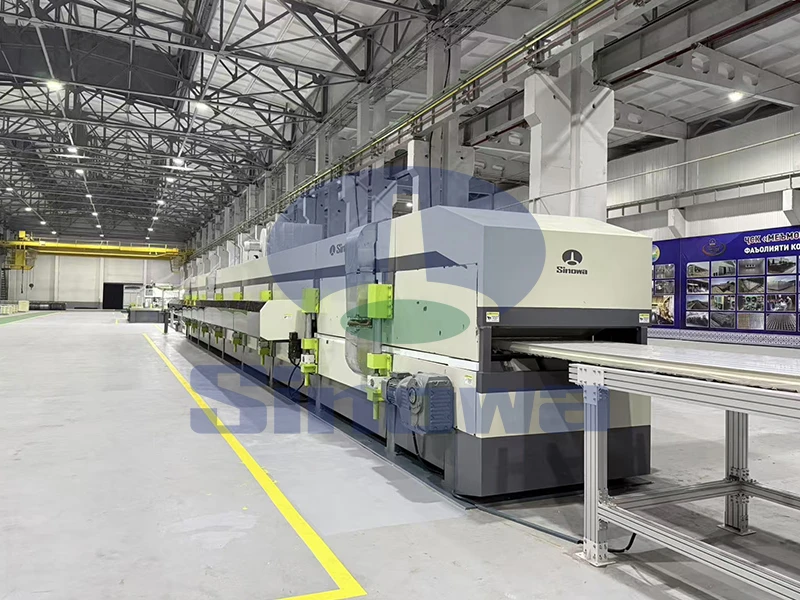
Overview of Turnkey Sandwich Panel Plant Systems
A turnkey sandwich panel plant refers to a fully integrated, automated manufacturing system that delivers complete panel production solutions from raw material processing to finished product output. This all-in-one equipment suite eliminates fragmented production procedures and enables seamless mass manufacturing of composite sandwich panels with diverse core materials. Designed for flexible production adaptation, the plant can be configured to produce six mainstream panel types: polyurethane, PIR, phenolic, rock wool, mineral wool and glass wool sandwich panels. Each customized configuration targets distinct construction scenarios, covering industrial building roofing, architectural wall enclosures, low-temperature cold storage facilities, thermal insulation engineering and soundproof partition projects. The unified automated workflow ensures consistent panel flatness, bonding stability and overall structural performance, while material-specific production modules adjust foaming density, pressing pressure and curing parameters according to core material characteristics. As a versatile industrial production solution, the turnkey plant balances production efficiency and product diversification, meeting the customized insulation, fireproof and structural demands of modern prefabricated construction.
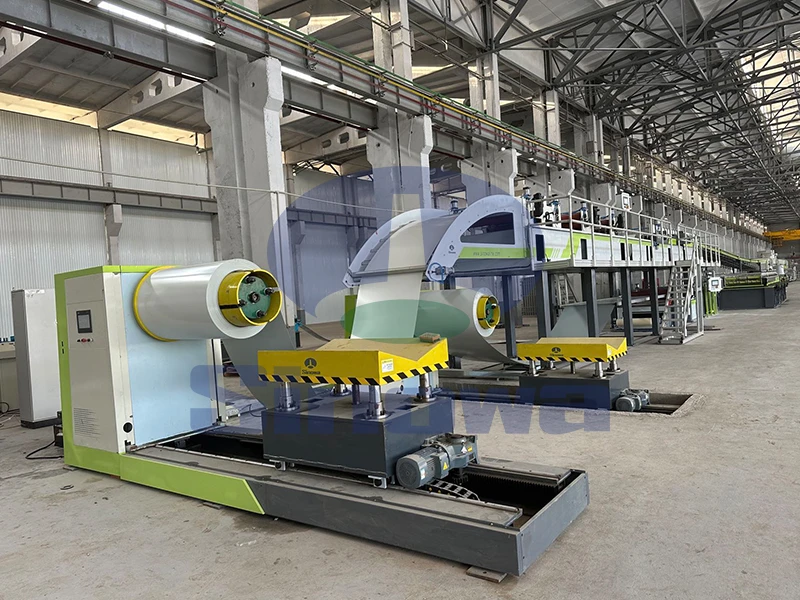
Polyurethane Sandwich Panel Plant for Multi-Scenario Insulation
The polyurethane (PU) sandwich panel turnkey plant is a mainstream automated production system optimized for high-efficiency thermal insulation panel manufacturing. The whole production process includes automatic sheet feeding, surface pretreatment, high-pressure PU foaming, continuous composite pressing, constant-temperature curing and fixed-length cutting, realizing uninterrupted batch production. PU panels produced by this equipment feature ultra-low thermal conductivity, lightweight texture and strong adhesive bonding with metal facings, laying a solid foundation for wide application in building enclosure systems. In architectural construction, these panels serve as high-performance roof panels and wall panels for industrial workshops, logistics warehouses and commercial buildings, effectively reducing building energy consumption by blocking external heat transfer. In cold chain industries, the plant produces dedicated cold storage panels that maintain stable low-temperature environments inside refrigerated warehouses and food processing workshops, minimizing cooling energy loss. Beyond conventional construction, the manufactured PU panels are also applicable for temporary building enclosures and agricultural facility insulation structures. The turnkey design simplifies equipment installation and commissioning, supports flexible adjustment of panel thickness and width, and adapts to large-scale standardized production and small-batch customized manufacturing demands.
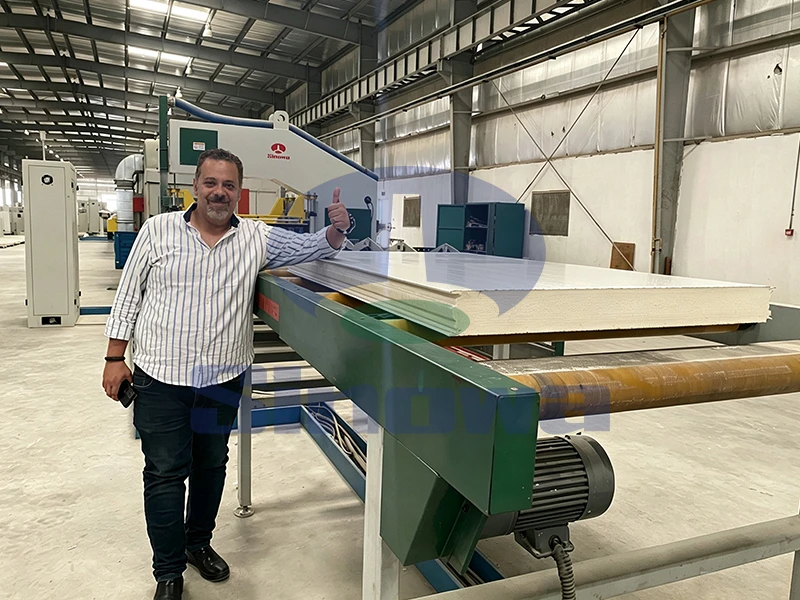
PIR Sandwich Panel Plant for Enhanced Thermal Stability
The PIR sandwich panel turnkey plant is an upgraded version of PU panel production equipment, specially optimized for polyisocyanurate foam core molding and composite processing. Different from ordinary PU foaming systems, this plant adopts improved foaming formula control and high-temperature curing processes, endowing finished panels with better thermal stability and higher temperature resistance. The automated production line precisely controls the foaming reaction ratio and molding pressure, ensuring uniform core density and tight integration with metal surface layers. PIR panels manufactured by this equipment excel in extreme temperature environments, making them ideal for high-standard cold storage panel production. They are widely used in ultra-low temperature cold warehouses, pharmaceutical refrigeration workshops and fresh food preservation facilities, where stable thermal insulation performance under long-term low-temperature operation is required. Meanwhile, the panels are also suitable as high-grade roof panels and wall panels for high-rise commercial buildings and special industrial plants with strict energy-saving requirements. The turnkey plant integrates intelligent parameter adjustment modules, which can automatically optimize production parameters according to different application scenarios, ensuring that each batch of panels maintains excellent dimensional stability and insulation durability, and effectively extends the service life of building enclosure structures.
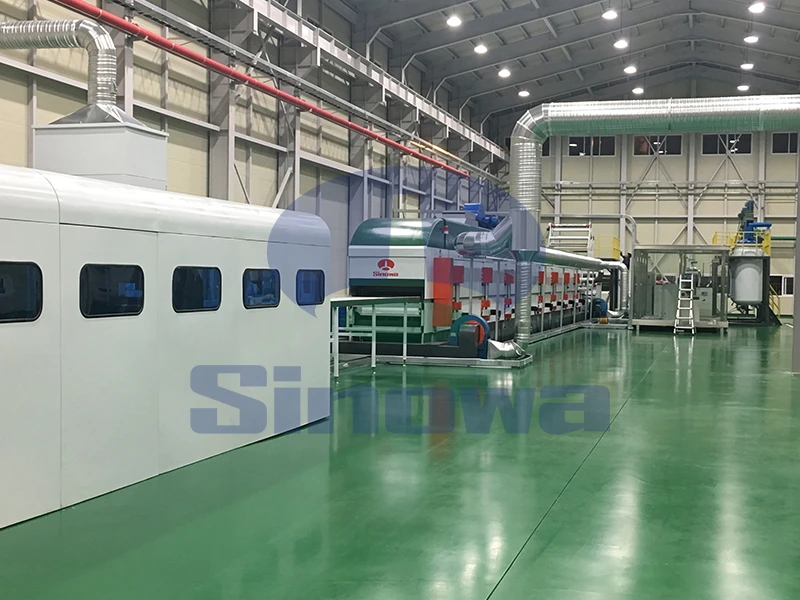
Phenolic Sandwich Panel Plant for High-Safety Insulation Projects
The phenolic sandwich panel turnkey plant is a professional production system tailored for phenolic foam core panels, focusing on manufacturing fire-resistant, heat-insulating and corrosion-resistant composite panels. The equipment is equipped with special phenolic foaming and composite molding units, which solve the problems of fragile core and poor bonding performance of traditional phenolic panels through precise process control. Finished phenolic panels feature outstanding fire resistance, low smoke generation and excellent thermal insulation, filling the performance gap of ordinary insulation panels in high-safety construction scenarios. In practical applications, panels produced by this plant are commonly used as fireproof wall panels and roof panels for public buildings, subway auxiliary facilities and special industrial buildings with high fire protection requirements. In the cold chain field, phenolic cold storage panels can adapt to humid and temperature-variable storage environments, resisting moisture erosion and maintaining long-term stable insulation effects. Additionally, these panels are suitable for ventilation duct insulation and building interior partition insulation projects. The turnkey plant adopts a fully enclosed production design, ensuring stable product quality while improving production safety, and can efficiently produce customized panels of different specifications to meet differentiated engineering needs.
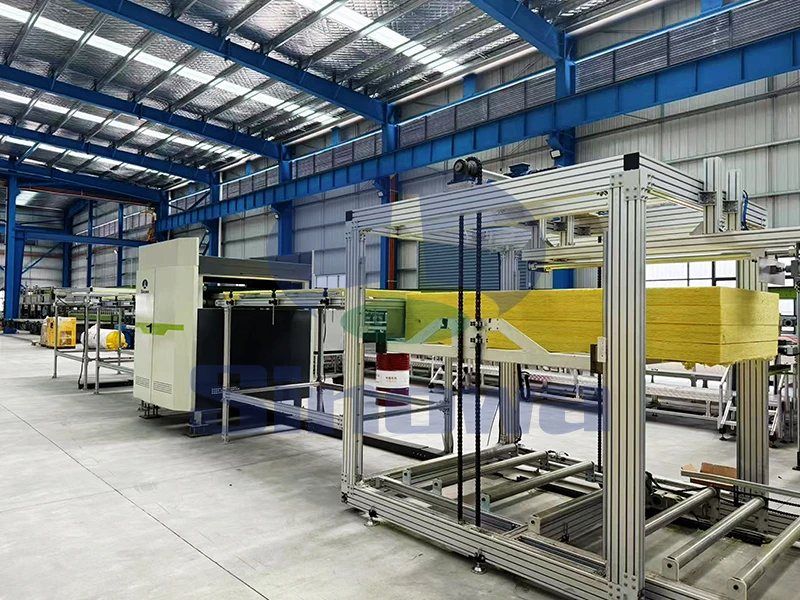
Rock Wool Sandwich Panel Plant for Fireproof Building Enclosures
The rock wool sandwich panel turnkey plant is a professional production device focusing on inorganic fireproof insulation panel manufacturing, adopting continuous compounding technology to tightly combine high-density rock wool core with metal decorative panels. The production process includes rock wool blanket arranging, flattening treatment, glue spraying, hot pressing composite and fixed-size cutting, realizing standardized production of fireproof insulation panels. Rock wool panels produced by this equipment have excellent fire resistance, high structural strength and good sound insulation performance, which are incomparable to organic insulation panels. In building construction, they are the preferred materials for fireproof wall panels and roof panels of industrial workshops, high-rise buildings and data center enclosure structures, effectively blocking flame spread and improving building safety. In cold storage engineering, rock wool composite panels are used for fire-isolated cold storage partition walls, balancing insulation performance and fire protection requirements of cold chain facilities. Moreover, the panels are widely applied in factory sound insulation walls and outdoor enclosure structures that need wind and pressure resistance. The turnkey plant supports adjustable rock wool density and panel thickness, enabling the production of multi-specification panels to adapt to different fireproof grade and structural load-bearing requirements of construction projects.
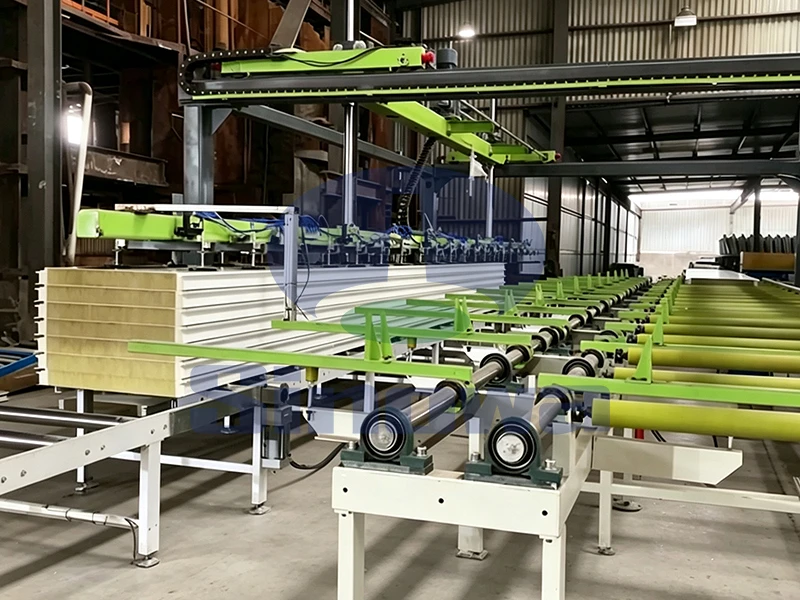
Mineral Wool Sandwich Panel Plant for Versatile Industrial Insulation
The mineral wool sandwich panel turnkey plant is a cost-effective and versatile production system developed based on inorganic fiber insulation materials, covering the whole process from mineral wool raw material arrangement to finished panel composite molding. Compared with rock wool production equipment, this plant features more flexible process configuration and lower production operation costs while retaining good fireproof and thermal insulation properties. Mineral wool panels manufactured by the equipment have moderate density, excellent sound absorption and heat insulation effects, and strong adaptability to various conventional construction environments. In practical applications, these panels are extensively used as wall panels and roof panels for ordinary industrial factories, logistics warehouses and temporary prefabricated buildings, providing basic thermal insulation and sound insulation functions for building enclosures. In cold storage construction, mineral wool panels are suitable for conventional temperature storage warehouses and non-ultra-low temperature cold chain facilities, meeting daily insulation and energy-saving demands. In addition, the panels can be used for indoor partition insulation and mechanical equipment sound insulation enclosures. The turnkey plant has high production flexibility, can quickly switch production specifications, and is suitable for medium and large-scale batch production as well as multi-variety small-batch customized production, catering to diverse market application needs.
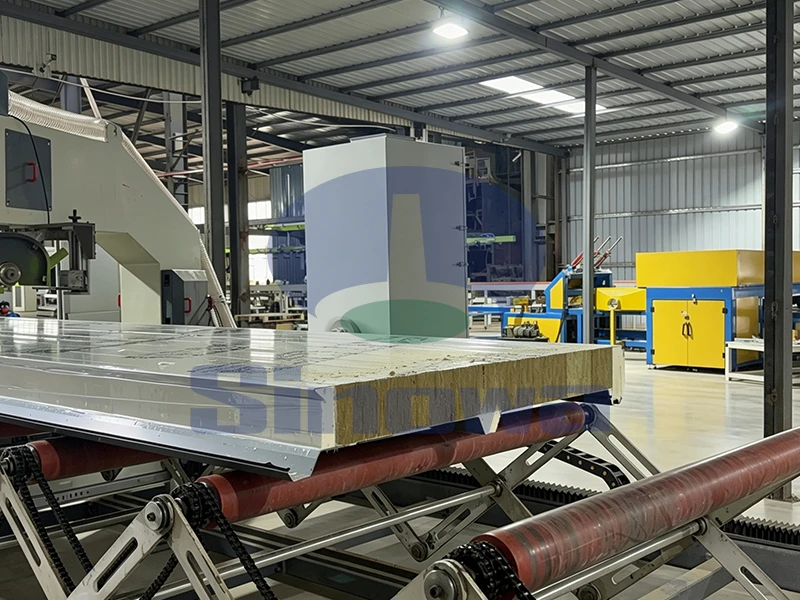
Glass Wool Sandwich Panel Plant for Lightweight Insulation Solutions
The glass wool sandwich panel turnkey plant is a specialized production device for lightweight fiber insulation panels, adopting low-density glass wool as the core material and matching with lightweight metal or composite surface layers for composite molding. The equipment is optimized for the fluffy and porous characteristics of glass wool materials, with a unique soft pressing and composite process to avoid core compression and ensure stable insulation performance of finished panels. Glass wool panels produced by this plant are ultra-light, high in sound absorption and excellent in heat insulation, with outstanding advantages in lightweight building construction. In architectural applications, they are widely used as wall panels and roof insulation layers for light steel structure buildings, exhibition halls and commercial temporary buildings, reducing the overall load of building structures. In the cold chain industry, glass wool composite panels are applicable to light-duty cold storage and constant-temperature storage facilities, realizing energy-saving insulation with low structural load. Besides, these panels are commonly used for indoor sound insulation partitions, building ventilation system insulation and industrial equipment noise reduction enclosures. The turnkey plant features simple operation and stable operation, can efficiently produce lightweight insulation panels of different sizes, and is an ideal production solution for lightweight and energy-saving building insulation projects.
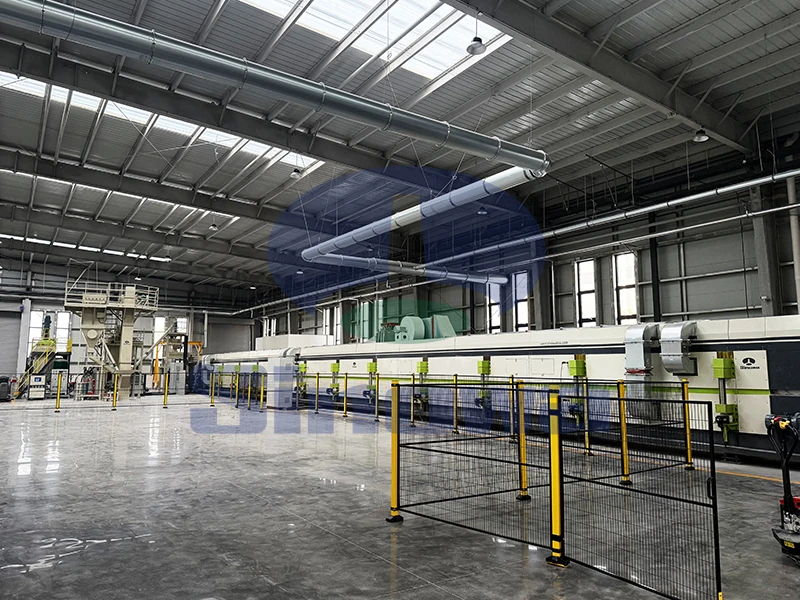
Core Application Differences of Six Types of Sandwich Panels
The six types of sandwich panels produced by corresponding turnkey plants have clear differentiated application scenarios in roof, wall and cold storage engineering, forming a full-coverage building insulation product system. PU and PIR panels focus on high-efficiency thermal insulation scenarios, with PIR panels further adapting to ultra-low temperature cold storage and high-temperature difference environments, suitable for high-standard cold storage panels and energy-intensive building roof and wall enclosures. Phenolic panels take advantage of high fire safety and moisture resistance, dominating public building fireproof enclosure and humid environment cold storage insulation projects. Rock wool panels rely on ultra-high fire resistance and structural strength, being widely used in high-fire-risk industrial buildings and high-rise building wall and roof systems. Mineral wool panels balance performance and cost, serving as the mainstream choice for ordinary industrial and civil building insulation enclosures. Glass wool panels are specialized in lightweight construction scenarios, applicable to light-duty buildings and sound insulation insulation projects. All six panel types can be produced by matched turnkey plants with adjustable specifications, realizing targeted matching between product performance and engineering demands, and covering almost all prefabricated building insulation and enclosure scenarios.
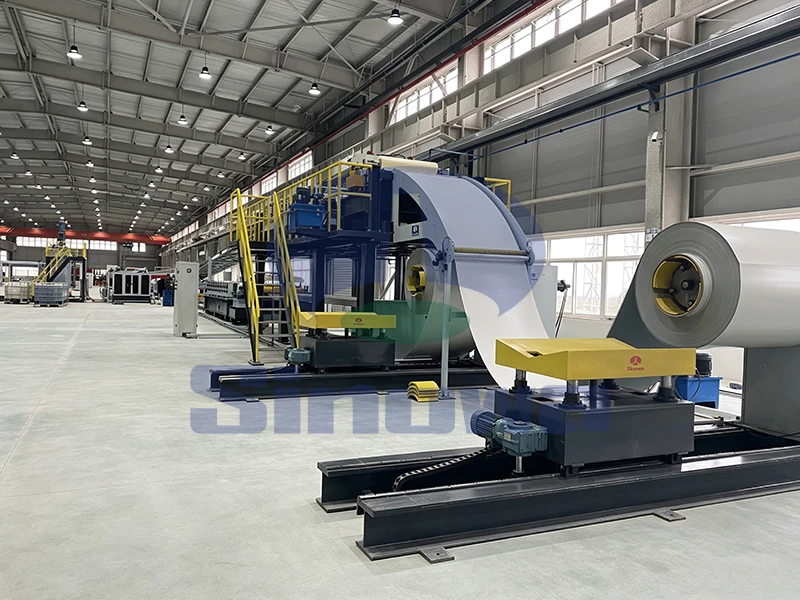
Production Advantages of Integrated Turnkey Panel Plants
The integrated turnkey design of the six sandwich panel production lines brings remarkable advantages compared with traditional decentralized production equipment. Firstly, all production links including feeding, foaming, composite, curing and cutting are highly integrated, realizing automated continuous production and greatly improving production efficiency. Secondly, the equipment supports switching production of six core material panels through module adjustment, realizing multi-purpose of one production line and reducing equipment investment costs for manufacturers. In terms of product quality, the unified intelligent control system precisely regulates production parameters, ensuring consistent panel thickness, bonding firmness and insulation performance of each batch. In terms of operational adaptability, the turnkey plant is convenient for installation, commissioning and later maintenance, with low technical threshold for production operation. Whether for large-scale standardized panel mass production or customized specification processing for special engineering projects, the equipment can maintain stable operation. It effectively meets the diversified and high-quality production demands of modern construction insulation panel market.
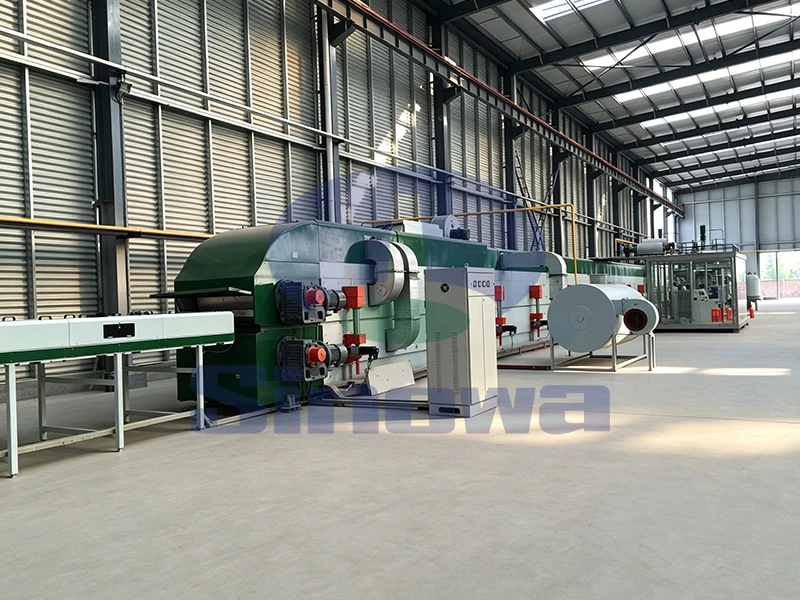
Market Value and Application Prospects of Diversified Panel Production
With the rapid development of prefabricated construction and green energy-saving buildings, the market demand for diversified sandwich panels continues to grow, driving the wide application of six types of turnkey sandwich panel plants. Different core material panels produced by the equipment precisely respond to the differentiated demands of building energy saving, fire safety, lightweight construction and low-temperature insulation. PU and PIR panels meet the high energy-saving demands of cold chain and high-standard industrial buildings; phenolic and rock wool panels solve the fire safety pain points of public and high-rise buildings; mineral wool and glass wool panels fill the market gap of cost-effective lightweight insulation materials. Covering roof panels, wall panels, cold storage panels and special insulation panels, the product system fully adapts to the upgrading trend of modern construction engineering. In the future, with the continuous improvement of building energy-saving and safety standards, the diversified turnkey panel production plants will further expand their application scope and become core equipment for green prefabricated building material production.
Gallery of Turnkey Sandwich Panel Plant
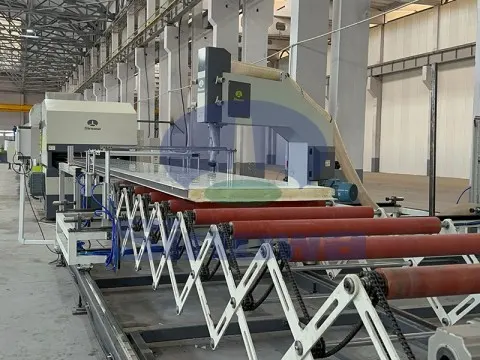
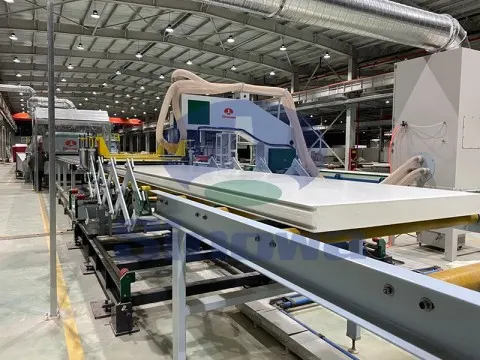
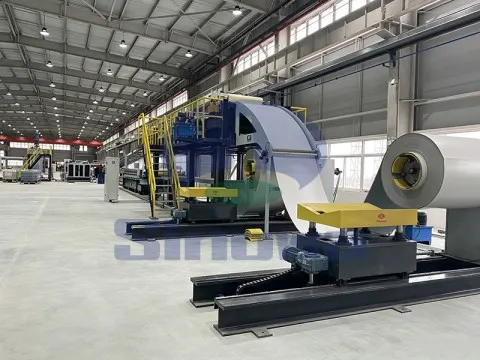
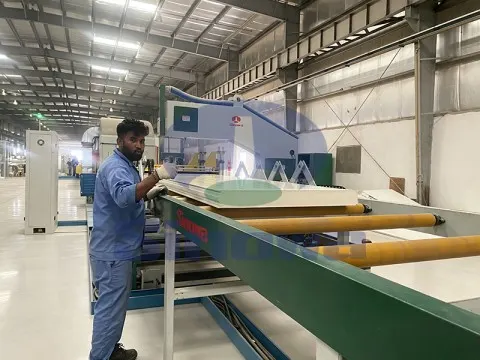
Tags: turnkey sandwich panel plant, turnkey sandwich panel plant manufacturer, turnkey sandwich panel plant supplier, china turnkey sandwich panel plant, turnkey sandwich panel plant for sale
-

A reliable PU sandwich panel production line serves as the core equipment for manufacturing high-performance building insulation panels. This professional PU sandwich panel line features automated feeding, foaming and molding processes to ensure consistent panel thickness and structural stability. The well-designed polyurethane sandwich panel production line effectively improves production efficiency while reducing material waste in daily operation. Each calibrated polyurethane sandwich panel line can adapt to different panel sizes to meet diverse construction needs. With precise temperature and pressure control, the advanced continuous PU sandwich panel line produces panels with excellent thermal insulation and weather resistance. Meanwhile, the optimized PIR sandwich panel production line upgrades the foaming formula to enhance fire resistance performance. The high-efficiency PIR sandwich panel line maintains stable operation during long-term mass production, delivering durable and high-quality sandwich panels for various architectural and industrial applications.
-

The phenolic panel production line realizes automated and continuous manufacturing of high-performance thermal insulation panels through streamlined and coordinated processing procedures.
-

Modern insulation panel manufacturing relies on professional automated equipment to ensure stable product quality and high production efficiency. The rock wool sandwich panel production line features precise material lamination and forming processes to produce rigid, heat-insulating building panels. Meanwhile, the mineral wool sandwich panel production line adopts optimized assembly procedures to fabricate lightweight, soundproof panels widely used in architectural enclosure and thermal preservation projects.