How To Solve Slow Foaming Speed Of The Polyurethane Sandwich Panel Production Line?
Publication Date: Sep 28, 2026
Slow foaming speed commonly plagues polyurethane sandwich panel production lines, lowering output efficiency and causing uneven foam structure and poor panel bonding.
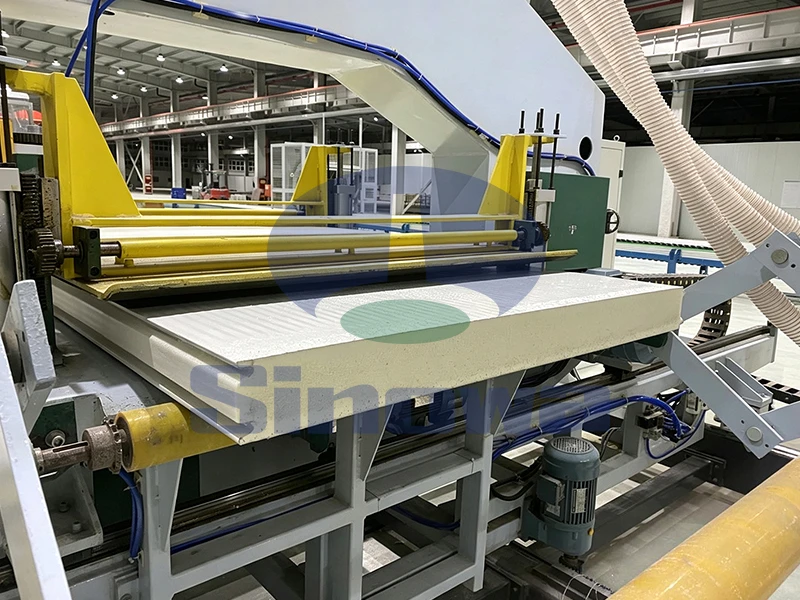
Improper raw material temperature is one of the most prevalent triggers of slow foaming speed in polyurethane sandwich panel production. Polyurethane foaming is an exothermic chemical reaction highly sensitive to temperature fluctuations, and low raw material temperatures directly weaken the activity of chemical components in polyol and isocyanate materials. When raw materials are stored or used at excessively low temperatures, molecular movement slows down, delaying the fusion and cross-linking reactions required for foaming. This not only drags down the overall foaming rate but also leads to incomplete foam expansion and irregular cell structures. In actual production, raw materials often cool down after long-term storage in uninsulated warehouses or continuous circulation in low-temperature pipeline environments. To resolve this issue, production staff need to set up constant-temperature storage facilities for raw materials and install pipeline heating and insulation devices to maintain a stable temperature range for all raw materials before mixing, ensuring consistent chemical reaction activity and normal foaming progress.
Inaccurate raw material proportioning is another key factor leading to sluggish foaming speed in continuous PU sandwich panel production lines. Polyurethane foaming relies on a precise ratio of core raw materials, including polyol, isocyanate, catalyst and blowing agent, and any deviation from the optimal proportion will disrupt the balance of foaming and gelling reactions. Insufficient catalyst dosage directly reduces the reaction rate, while excessive blowing agent increases heat absorption during vaporization, lowering local reaction temperature and slowing down foaming expansion. Long-term operation of metering pumps often causes minor wear and calibration drift, resulting in unstable material delivery ratios that are hard to detect in daily production. Regular calibration of metering equipment is essential to eliminate proportioning errors. Meanwhile, staff should strictly control the addition of auxiliary materials, adjust catalyst content appropriately according to real-time production conditions, and maintain a balanced reaction system to ensure stable and efficient foaming speed.
Ambient temperature and humidity changes in the production workshop significantly affect the foaming speed of polyurethane sandwich panels. The foaming reaction is vulnerable to environmental heat and moisture interference, especially in seasons with drastic climate changes. Low workshop ambient temperature will dissipate the heat generated by the early foaming reaction rapidly, failing to support continuous foam expansion and slowing down the overall reaction process. On the other hand, excessive air humidity allows moisture in the air to mix with raw materials, triggering side reactions that consume core reaction components and inhibit normal foaming progress. These environmental interferences not only reduce foaming speed but also easily cause loose foam cores and reduced panel bonding strength. Enterprises can install constant temperature and humidity control systems in the production workshop to maintain a stable production environment. In addition, ventilation and dehumidification equipment should be regularly operated to avoid moisture accumulation, creating a stable external condition for efficient foaming reactions.
Aging and incomplete mixing of raw material mixing equipment will directly lead to slow foaming speed and uneven reaction. The mixing station is the core equipment for blending polyurethane raw materials, and long-term operation will cause wear of mixing blades, reduced mixing uniformity, and residual material scaling inside the mixing cavity. These problems prevent full fusion of polyol, isocyanate and auxiliary materials, resulting in partial insufficient reaction and delayed foaming. When raw materials are not mixed evenly, some areas lack effective catalyst and blowing agent, leading to inconsistent local foaming speed and overall slow molding progress. Regular equipment maintenance and cleaning are necessary to solve this problem. Production personnel should regularly clean residual material scales in the mixing cavity, inspect and replace worn mixing accessories, and adjust mixing speed and time according to production line operating parameters to ensure full and uniform mixing of all raw materials, laying a foundation for fast and stable foaming.
Unreasonable production line operating speed matching will induce slow foaming and abnormal molding of polyurethane foam. The foaming reaction has a fixed reaction cycle, including mixing expansion, gelling curing and final shaping stages, which needs to match the advancing speed of the production line conveyor. If the conveyor speed is set too fast, the foam cannot complete sufficient expansion and reaction in the limited molding section, showing apparent slow foaming and incomplete filling of the panel core. In contrast, excessively low line speed will cause early termination of foaming reaction due to heat loss and pressure changes, also resulting in insufficient foaming expansion. Production staff need to formulate scientific speed matching parameters according to the foaming characteristics of raw materials. Through repeated debugging, balance the conveyor advancing speed and foam reaction cycle, ensure each batch of foam completes full foaming and curing in the molding channel, and avoid foaming speed lag caused by mismatched operating parameters.
Abnormal heat dissipation in the molding channel is a key hidden cause of sustained slow foaming speed in continuous production. The polyurethane foaming process requires a stable heat accumulation environment to maintain continuous chemical reactions, while the closed molding channel is the core area for foam shaping. Long-term operation will cause aging of channel insulation layers, leading to serious heat loss during foaming. In addition, the heat conduction of metal conveyor belts and side sealing structures will take away reaction heat rapidly, especially at the edge of the panel, resulting in slow local foaming reaction and inconsistent overall foaming speed. Insufficient heat accumulation in the channel will prolong the foaming cycle and reduce production efficiency. To improve this situation, enterprises should regularly inspect and replace the aging insulation materials of the molding channel, optimize the heat preservation structure of the conveyor and side sealing parts, reduce unnecessary heat loss, and maintain a constant thermal environment inside the channel to accelerate stable foam expansion and reaction.
Improper selection and dosage of blowing agents will directly affect polyurethane foaming speed and effect. Blowing agents are responsible for generating gas to promote foam expansion, and their vaporization heat and dosage determine the foaming efficiency. Some blowing agents have high latent heat of vaporization, which will absorb a large amount of heat during the vaporization process, reducing the temperature of the local reaction system and slowing down the chemical cross-linking speed of raw materials. Excessive blowing agent dosage will aggravate heat absorption and further delay foaming expansion, while insufficient dosage leads to weak expansion power and slow molding. In actual production, staff need to select suitable blowing agent types according to production line characteristics and adjust the optimal dosage range. Meanwhile, the mixing uniformity of blowing agents and main raw materials should be guaranteed to avoid local excessive or insufficient distribution, ensuring balanced and rapid foam expansion throughout the panel core.
Irregular pre-treatment of surface substrates will indirectly cause slow foaming speed and poor panel forming quality. The metal surface of sandwich panels carries tiny moisture, dust and oil stains during feeding, and these impurities will interfere with the contact reaction between polyurethane raw materials and the substrate. Residual moisture on the substrate will react with isocyanate, consuming reaction raw materials and generating invalid gas, which disrupts the normal foaming reaction rhythm and reduces foaming speed. At the same time, low substrate surface temperature will absorb reaction heat during foaming, leading to insufficient local heat for foam expansion. Installing professional substrate pre-treatment equipment can effectively solve these problems. Preheating and decontamination treatment of metal plates before composite molding can remove surface moisture and impurities, increase substrate surface temperature, optimize the foaming reaction environment at the bonding interface, and ensure synchronous and efficient foaming of the overall panel core.
Long-term lack of equipment calibration and parameter optimization will lead to cumulative slow foaming problems in polyurethane sandwich panel production lines. Continuous high-load operation of production equipment will cause gradual drift of core parameters such as raw material metering accuracy, mixing speed, channel temperature and conveyor tension. These subtle parameter changes are difficult to detect in daily production but will continuously affect the foaming reaction efficiency, resulting in increasingly slow foaming speed and unstable product quality over time. Many production lines rely on empirical parameters for long-term operation without targeted adjustment according to raw material batch changes and environmental fluctuations. Establishing a regular parameter calibration and optimization mechanism is crucial. Technical personnel should conduct regular detection and fine-tuning of all core production parameters, update parameter settings according to raw material characteristics and production environment changes, and eliminate foaming speed anomalies caused by parameter drift.
Unscientific daily maintenance and production management will restrict the stable foaming efficiency of the polyurethane sandwich panel production line. Negligent daily management such as irregular equipment cleaning, untimely replacement of vulnerable parts and imperfect staff operation standards will lead to frequent small faults in the production process. Residual old materials in equipment will affect the mixing reaction of new raw materials, worn parts will cause unstable operation parameters, and non-standard operation will easily lead to improper raw material proportioning and parameter setting. These management loopholes are important inducements for persistent slow foaming speed. Enterprises need to improve daily production management systems, formulate standardized equipment maintenance and operation procedures, arrange special personnel to conduct daily inspection and maintenance of production lines, train staff on professional operation skills, eliminate human factors and equipment hidden dangers, and maintain long-term stable and efficient foaming speed of the production line.
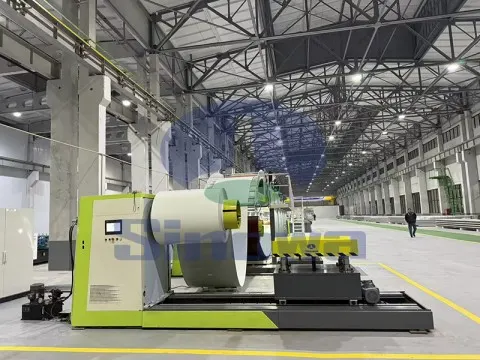
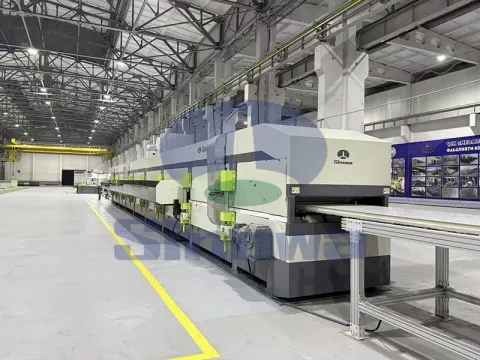
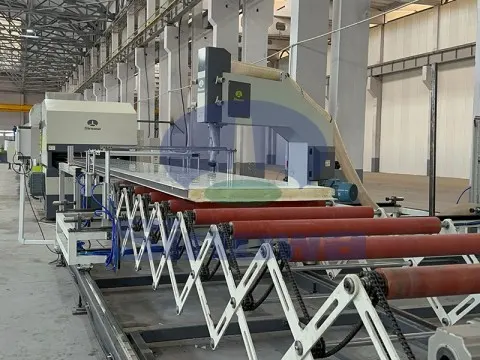
Gallery of Polyurethane Sandwich Panel Production Line
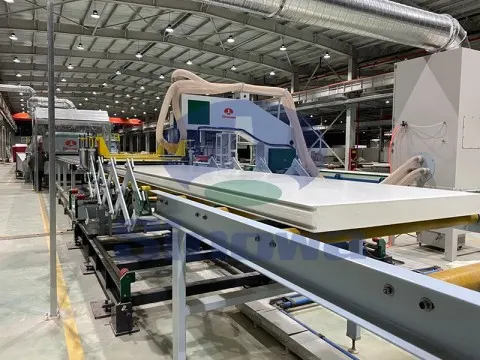
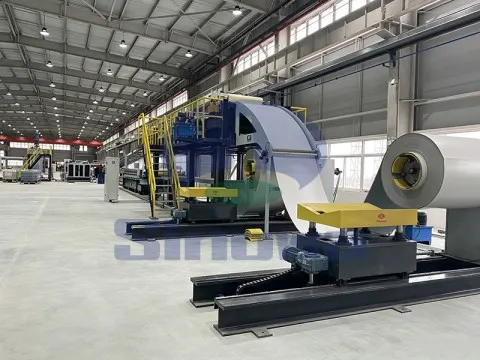
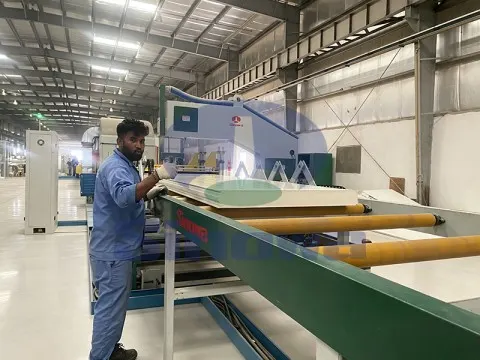
Tags: polyurethane sandwich panel production line, polyurethane sandwich panel production line manufacturer, polyurethane sandwich panel production line supplier, china polyurethane sandwich panel production line, polyurethane sandwich panel production line for sale
-
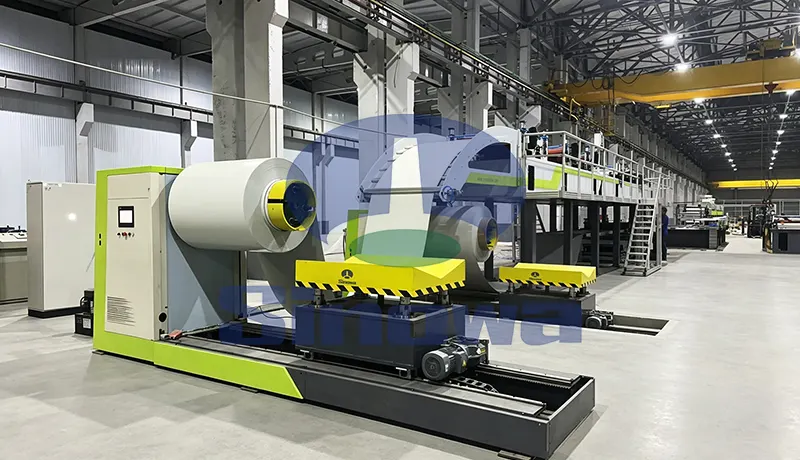
A reliable PU sandwich panel production line serves as the core equipment for manufacturing high-performance building insulation panels. This professional PU sandwich panel line features automated feeding, foaming and molding processes to ensure consistent panel thickness and structural stability. The well-designed polyurethane sandwich panel production line effectively improves production efficiency while reducing material waste in daily operation. Each calibrated polyurethane sandwich panel line can adapt to different panel sizes to meet diverse construction needs. With precise temperature and pressure control, the advanced continuous PU sandwich panel line produces panels with excellent thermal insulation and weather resistance. Meanwhile, the optimized PIR sandwich panel production line upgrades the foaming formula to enhance fire resistance performance. The high-efficiency PIR sandwich panel line maintains stable operation during long-term mass production, delivering durable and high-quality sandwich panels for various architectural and industrial applications.
-
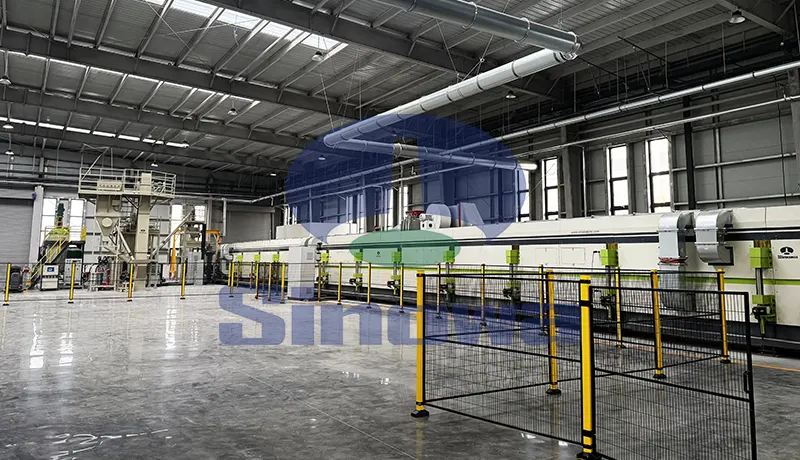
The phenolic panel production line realizes automated and continuous manufacturing of high-performance thermal insulation panels through streamlined and coordinated processing procedures.
-
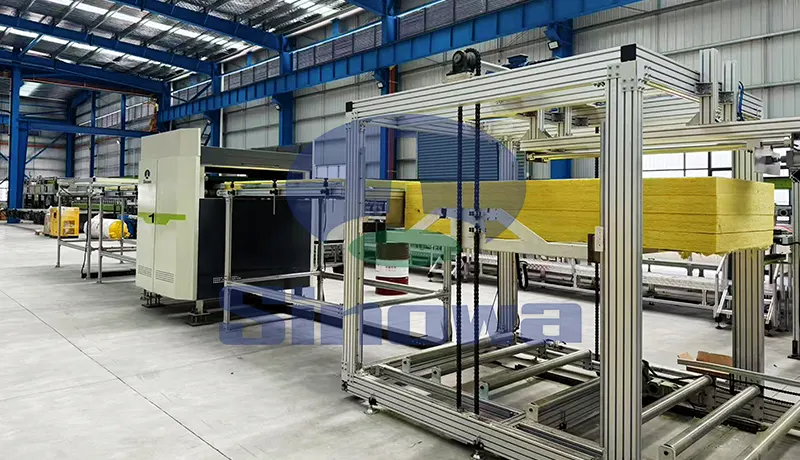
Modern insulation panel manufacturing relies on professional automated equipment to ensure stable product quality and high production efficiency. The rock wool sandwich panel production line features precise material lamination and forming processes to produce rigid, heat-insulating building panels. Meanwhile, the mineral wool sandwich panel production line adopts optimized assembly procedures to fabricate lightweight, soundproof panels widely used in architectural enclosure and thermal preservation projects.