Roof Insulation Panel Production Line
Publication Date: Nov 17, 2026
Fully automatic roof insulation panel production line for PU/PIR/mineral wool/rock wool sandwich roof panels. High speed, stable running, custom sizes.
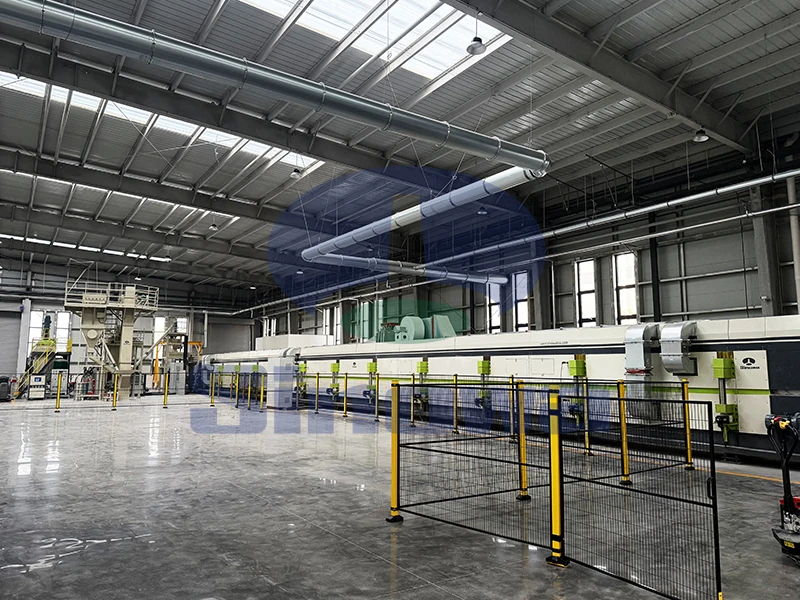
Core Composition and Overall Layout of the Production Line
A roof insulation panel production line represents a coordinated assembly of interconnected processing units designed to transform raw base materials and insulating media into finished composite panels tailored for roof construction applications. Every station within the line is positioned and calibrated to maintain a continuous workflow, reducing unnecessary handling of semi-finished products and cutting downtime between individual processing phases. The layout generally follows a linear progression, starting from raw material feeding, moving through core forming, lamination, curing, trimming, and concluding with stacking and packaging modules. Each functional section is separated by transition conveyors that control the moving speed of materials, ensuring synchronization between upstream and downstream equipment. Operators oversee the whole sequence through a centralized control interface, where running parameters such as feed speed, temperature settings, and pressure values can be adjusted according to the material formula and target panel specifications. The supporting framework of the line is built to withstand long-duration continuous operation, with vibration-damping structures installed at high-power processing stations to avoid dimensional deviation of panels during forming. Auxiliary pipelines for material delivery, heat transfer, and waste collection are arranged neatly beneath and alongside the main conveyor path to keep the operating area clear and lower the risk of accidental interference. Even though the line is configured for continuous running, independent emergency stop controls are distributed at multiple key positions to enable rapid response when abnormal conditions emerge. The design also reserves space for later modification, so additional functional modules can be integrated if new panel structures or material combinations need to be produced in the future. This integrated layout balances production efficiency, operational safety, and process flexibility, laying a solid foundation for stable manufacturing of consistent roof insulation panels in large batches.
Raw Material Feeding and Preprocessing Section
The raw material feeding and preprocessing section serves as the starting point that determines the stability of subsequent forming quality, handling both surface sheet materials and internal insulation core materials in separate feeding channels. Surface sheets, commonly flexible or rigid sheet substrates, are loaded onto unwinding or unwinding racks that maintain steady tension as sheets are pulled into the production flow. Tension control prevents wrinkling, stretching, or uneven alignment of the surface layer, defects that would directly affect the flatness and bonding effect of the final panel. Insulation core raw materials, whether in granular, foam block, or continuous strip form, go through preprocessing steps including crushing, screening, and uniform mixing before entering the forming stage. Mixing units blend the insulation base material with auxiliary additives in a precisely proportioned manner, ensuring additive distribution stays homogeneous across every batch of core material. Drying units are incorporated into this section for materials that carry residual moisture, because excess moisture trapped inside the insulation core will cause bubbling, delamination, or reduced thermal performance after lamination. Sensors installed at feeding outlets monitor the thickness and uniformity of outgoing materials, sending real-time feedback to adjust feeding rates automatically. Material guiding rollers and deviation correction devices continuously correct the running track of sheet materials to avoid lateral offset during transportation. All material storage and feeding containers are sealed appropriately to stop dust and impurities from contaminating raw materials, as foreign particles between the surface sheet and insulation core will weaken bonding strength and create visible flaws on panel surfaces. Waste generated during preprocessing is collected through dedicated channels for separate disposal or recycling treatment. This section operates with a focus on uniformity and purity of prepared materials, since inconsistent feeding quality will amplify defects through every following production step.
Continuous Core Material Forming Process
The continuous core material forming process shapes the mixed insulation raw materials into a continuous, uniform core layer with stable thickness and density, matching the preset dimensions of roof panels. After preprocessing, the mixed insulation material is delivered into a forming chamber, where temperature and pressure conditions are regulated to trigger foaming, curing, or compacting reactions depending on the material system used. Inside the forming zone, limiting baffles and shaping molds define the width and thickness of the continuous core slab, keeping dimensional fluctuation within a narrow range across the full length of production. Material distribution screws or spreading devices spread the incoming mixture evenly across the entire width of the forming cavity, preventing areas of excessive density or sparse filling that would create uneven thermal resistance across the finished roof panel. The forming environment is kept stable throughout operation; sudden shifts in temperature will alter the reaction speed of the insulation material and lead to inconsistent core hardness and cellular structure. Observation windows on the forming chamber allow technicians to visually check the state of the forming core without interrupting the running line. Auxiliary air circulation systems manage gas flow inside the chamber to remove byproducts generated during material reaction and maintain consistent reaction conditions. The newly formed continuous core moves forward synchronously with the upper and lower surface sheets that converge with it right after the forming outlet. Speed matching between core forming output and sheet feeding is critical. If the core advances faster or slower than the surface sheets, misalignment, folding, or tearing will occur before lamination. The forming process is designed to support adjustment for different core densities, so the same line can produce insulation cores with lighter weight for low-load roof applications or higher compactness for roof areas bearing greater mechanical pressure. Proper control in this stage creates an insulation core with closed or open cell structures as required, directly defining the heat insulation, sound absorption, and water vapor resistance properties of the finished roof panel.
Automatic Lamination and Composite Bonding Stage
The automatic lamination and composite bonding stage joins the upper surface sheet, insulation core, and lower surface sheet into an integrated composite structure, which is the core step to form the basic structure of the roof insulation panel. After the continuous core exits the forming chamber, it enters the lamination station together with the two surface sheets guided from separate feeding paths. Adhesive systems, either roller coating units or online spray devices, apply bonding medium evenly on the contact surfaces of sheets or core materials. Coating thickness is precisely controlled; too little adhesive leads to incomplete bonding and easy delamination, while excessive adhesive will squeeze out from panel edges, waste materials, and leave sticky residues on equipment and panel surfaces. The three layers are brought together and pass through a set of pressing rollers or a continuous pressing platform. Pressure applied by these components squeezes the combined layers tightly and eliminates air pockets trapped between interfaces. Trapped air gaps become hidden weak points that reduce bonding reliability and form thermal bridges inside the panel. The pressing assembly maintains consistent pressure across the full width of the composite blank, avoiding uneven compression that causes partial thinning of the insulation core. Heating components are integrated into the pressing zone for adhesive systems that require thermal activation. Heat accelerates curing of the bonding agent and improves interfacial fusion between layers. The whole composite blank moves forward at a synchronized speed, so bonding proceeds continuously without seams between individual panels. Real-time visual inspection at the lamination outlet checks for missing coating, sheet wrinkling, and layer separation. When abnormalities are detected, the system can trigger alerts and mark the defective segment for later rejection. This composite process turns separate raw components into a unified panel blank, where the surface sheets provide mechanical protection and weather resistance and the core delivers thermal insulation performance. The bonding quality achieved here determines the long-term structural stability of roof panels exposed to outdoor temperature cycles, wind loads, and moisture exposure after installation.
Continuous Curing and Maturing Zone
The continuous curing and maturing zone provides a controlled environment for the composite panel blank to complete the cross-linking and hardening reactions of adhesives and insulation core materials after lamination. Immediately after leaving the pressing station, the unfinished composite blank enters an enclosed curing tunnel with adjustable temperature and air circulation parameters. The length of the curing tunnel is designed according to the reaction time required by the material formulation, ensuring that materials obtain sufficient time to cure fully before cutting. Internal circulating fans distribute heat evenly throughout the tunnel, preventing hot spots that cause local over-curing, brittleness, or surface discoloration of the panel. Temperature gradients can be set along the tunnel length for some material systems, starting with a moderate heating phase to promote reaction and ending with a slow cooling phase to reduce internal stress built up during forming and bonding. Internal stress is a hidden risk; panels with high residual stress may warp, bend, or crack after cutting and placement on roofs. Sensors placed at multiple positions inside the curing area track ambient temperature and surface temperature of moving panels, feeding data back to the central control system for dynamic adjustment of heating power. The conveyor speed through the curing zone is locked to match reaction cycles, so production speed cannot be increased arbitrarily without extending curing time. Ventilation inside the tunnel manages volatile substances released during curing, maintaining a safe working environment outside the enclosure. Panels leaving the curing zone possess stable physical properties, with bonding interfaces fully solidified and the insulation core reaching its final density and hardness. Inadequate curing will make panels soft, prone to deformation, and vulnerable to separation between layers under temperature changes. This maturing stage locks in the material performance of the composite blank, preparing it for fixed-length cutting and subsequent shaping processes.
Fixed-Length Cutting and Edge Trimming Module
The fixed-length cutting and edge trimming module divides the continuous composite blank into individual roof insulation panels of specified dimensions and removes irregular excess material from panel edges. The continuous cured blank first passes through a length measurement unit using encoder or laser ranging technology to track travel distance accurately. When the target length is reached, the cutting mechanism initiates automatically. Cutting methods include flying saw cutting that operates while the blank keeps moving, which avoids stopping the entire production line and preserves continuous output rhythm. The cutting blade runs at a matched linear speed with the moving panel surface to deliver clean, smooth cuts without jagged edges, material tearing, or compressed deformation of the insulation core. After cutting to individual panel units, panels move onward to edge trimming stations. Trimming tools shave off uneven borders, excess adhesive overflow, and misaligned sheet edges on both sides and the two ends of each panel. Uniform edge geometry is essential because roof panels are joined side by side during installation, and irregular edges lead to poor splicing gaps that weaken the overall thermal sealing effect of the roof assembly. Dust and fine debris generated during cutting and trimming are extracted by a dedicated dust collection system, preventing debris from adhering to panel surfaces or accumulating on conveyor rollers. Positioning fixtures hold each panel steady during trimming to avoid shifting that creates asymmetric edge profiles. The control system stores multiple preset dimension programs, allowing operators to switch between different panel lengths and widths for different roof design requirements without mechanical reconfiguration. After trimming, each panel undergoes a quick dimensional check. Panels exceeding tolerance limits are flagged and diverted out of the normal flow. This processing segment converts endless composite blank into finished-sized panels ready for surface finishing, ensuring each product meets the dimensional consistency required for convenient on-site roof installation.
Surface Finishing and Defect Inspection Station
The surface finishing and defect inspection station handles surface cleaning, texture adjustment, and comprehensive quality screening for cut and trimmed roof insulation panels. First, rotating brush rollers and air blowing nozzles clear fine dust, cutting debris, and adhesive residues from both the top and bottom surfaces of panels. Residues left on the surface can interfere with subsequent protective coating or marking and create unattractive blemishes on exposed roof surfaces. Some production lines include optional surface treatment units here, such as light texturing or anti-fouling coating application, which enhance the weather resistance and surface stain resistance of panels used in open-air roof environments. After surface cleaning, panels enter the inspection area combining automated visual cameras and manual inspection posts. Camera systems capture full-surface images of each panel to identify surface scratches, sheet indentations, bubbling, delamination marks, color unevenness, and edge damage that may have occurred in earlier stages. Image analysis algorithms compare captured panels against standard templates and highlight areas with abnormal features. Human inspectors conduct secondary verification for suspicious signals, especially for subtle defects that automated systems struggle to classify reliably. All inspection results are recorded and associated with individual panels, forming a traceable quality record for each production batch. Panels confirmed to have acceptable quality move forward to marking and stacking. Defective panels are separated into designated collection areas and categorized according to defect types. Some defects can be reworked while others must be discarded directly. This inspection stage acts as a critical filter before finished product storage, stopping flawed panels from entering packaging and delivery. Consistent inspection standards help maintain uniform appearance and performance of roof insulation panels, reducing complaints and installation difficulties arising from undetected surface or internal defects.
Automatic Marking and Identification System
The automatic marking and identification system imprints necessary information onto qualified roof insulation panels after inspection, supporting batch tracking and product recognition throughout storage, transportation, and construction. Non-contact marking equipment prints information on the panel surface without causing mechanical damage to the insulation core or surface sheet. Marking content typically includes production batch information, production date, specification parameters, and unique identification codes linked to the production data record of that panel. The marking position can be adjusted to the corner or edge area of the panel, avoiding the main exposed surface that will be visible after roof installation. The marking ink or pigment is selected for good adhesion and ultraviolet resistance, so printed information remains legible after long-term exposure to sunlight and rain. The system synchronizes marking with the panel transfer speed, printing only when a panel reaches the marking position and skipping empty conveyor sections. Identification codes can be scanned later to pull up the full production log of the panel, including raw material batch numbers, running parameters of the production line during manufacturing, and inspection outcomes. This traceability function makes it easier to locate the source of issues if performance problems emerge after panels are applied on roofs. The marking module can switch between different content templates quickly when production shifts to another panel specification. It works in coordination with the inspection system: panels marked as defective will not receive formal identification marks, preventing mixed flow of qualified and unqualified goods. Apart from direct marking on panels, some configurations also print matching labels for packaging bundles. This identification system adds management capability to the production line, bridging the gap between workshop manufacturing and downstream logistics and construction management. It does not alter the physical insulation or structural performance of roof panels, but brings order to product circulation and quality tracing workflows.
Stacking, Bundling and Packaging Unit
The stacking, bundling and packaging unit arranges qualified marked roof insulation panels into neat stacks and applies protective packaging before panels leave the production line. After inspection and marking, panels are transported to a stacking platform with adjustable positioning stops. These stops align each panel precisely as it is placed on the stack, ensuring edges stay flush and the whole stack remains square. Suction cup transfer arms or mechanical grippers handle panels gently during stacking to avoid scratching surface layers or crushing the insulation core. The stacking height can be set according to panel rigidity and load capacity limits for safe handling by forklifts later. Once a stack reaches the target quantity, strapping devices apply flexible binding bands around the stack to lock panels together and prevent sliding and shifting during transport. Binding force is controlled carefully; excessive tension will squeeze and deform panel edges, while insufficient force allows the stack to loosen. After bundling, outer wrapping materials cover the entire stack. The wrapping layer blocks dust, rainwater, and ultraviolet radiation during outdoor temporary storage and transit, protecting panel surfaces from scratches and discoloration. Corner protectors are fitted to the four vertical corners of each stack, which are the most vulnerable positions to impact damage during loading and unloading. The packaging station also includes automatic wrapping film stretching control to maintain consistent wrapping tightness. After packaging is completed, the finished stack is conveyed to the finished goods outbound area for forklift pickup. This unit reduces manual handling labor and lowers the risk of man-made damage to finished panels. Uniform stacking and packaging also optimize space utilization inside warehouses and transport vehicles. Well-protected packaged roof insulation panels arrive at construction sites with their original surface condition and structural integrity preserved, ready for direct installation after unpacking.
Centralized Control and Parameter Management Platform
The centralized control and parameter management platform serves as the operational brain of the entire roof insulation panel production line, integrating data collection, parameter adjustment, alarm notification, and production statistics for all connected equipment stations. Operators access the system through a touchscreen human-machine interface to view real-time running status of feeding, forming, lamination, curing, cutting, inspection, and packaging modules on one unified dashboard. All key process parameters including material feeding rates, forming pressure, curing temperature, conveyor speed, cutting length, and inspection sensitivity thresholds can be modified from this platform. Approved parameter sets for different panel types can be saved as preset recipes. Switching recipes loads all matched settings at once, eliminating the need to adjust each machine separately and cutting changeover time between product variants. The platform continuously logs running data every second, storing records of equipment status, parameter values, alarm events, and inspection results for later review. When any parameter deviates from the allowed range, the system triggers visual and audio alarms and highlights the abnormal station on the screen. It can also trigger protective actions such as slowing down the line or pausing specific units to avoid mass production of defective panels. Permission management is built into the platform; different user accounts have separate access rights. Basic operators can monitor running status and acknowledge alarms, while technical staff are authorized to modify core process recipes and calibrate equipment. Remote data viewing functions allow management personnel to check production progress and equipment status without staying beside the production line. The platform supports data export for production reporting, efficiency analysis, and quality trend review. It connects every discrete processing station into one coordinated system, turning dozens of independent machines into a synchronized production ecosystem. Reliable control and data management reduce human error and help operators maintain stable, repeatable manufacturing conditions for roof insulation panels over long production runs.
Maintenance Strategy and Long-Term Operation Considerations
A scientific maintenance strategy is essential to sustain stable output, preserve product quality consistency, and extend the service life of a roof insulation panel production line during long-term continuous operation. Maintenance work is divided into daily routine checks, periodic preventive maintenance, and targeted corrective maintenance after faults appear. Daily inspection tasks completed at the start and end of each production shift include checking conveyor belt tension, cleaning residual material and adhesive from rollers and molds, verifying the function of sensors, emergency stop buttons, and dust extraction pipelines, and confirming normal lubrication of moving transmission parts. Preventive maintenance cycles are scheduled based on equipment operating hours. During these cycles, worn cutting blades, sealing gaskets, coating rollers, and filter elements are replaced proactively before they fail and cause sudden shutdowns. Heating elements, pressure sensors, laser measuring units, and visual inspection cameras are calibrated regularly to guarantee measurement and control accuracy. Accumulated hardened adhesive and insulation material residue inside forming chambers, pressing structures, and curing tunnels must be cleared on a fixed schedule, because buildup will alter dimensional accuracy and contaminate new panels. Maintenance records document every inspection, component replacement, and repair action, helping identify parts with high failure frequency and optimize spare part stock planning. Operators and maintenance technicians receive training on correct equipment operation, hazard awareness, and standard cleaning procedures. Improper cleaning methods can scratch precision forming surfaces or damage sensitive sensors. Spare parts inventory keeps critical wearing components available on-site to shorten downtime when replacement is needed. The production line is designed with accessibility for maintenance; covers and guards can be opened safely to reach internal components without major disassembly of large structures. Following structured maintenance practices reduces unplanned downtime, keeps defect rates low, and ensures the production line maintains stable panel quality year after year. Good operational habits combined with planned maintenance protect the investment in the production line and support continuous supply of roof insulation panels for building roofing projects.
Gallery of Roof Insulation Panel Production Line
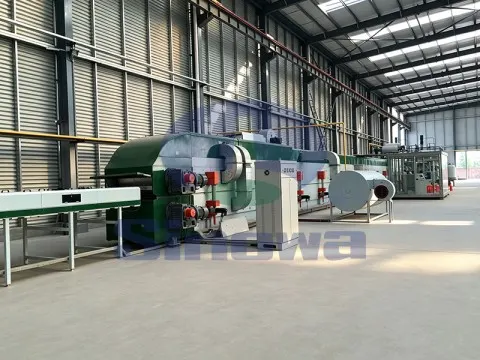
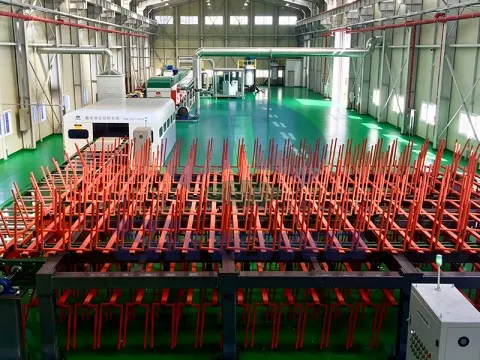
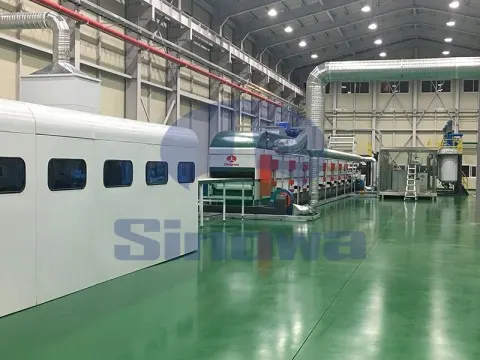
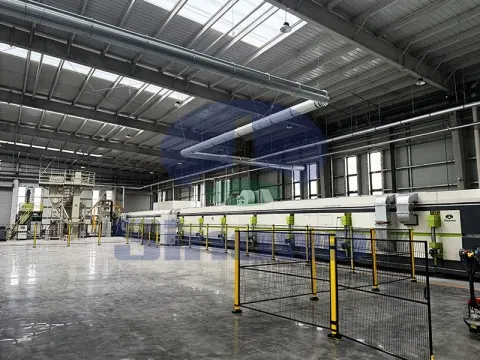
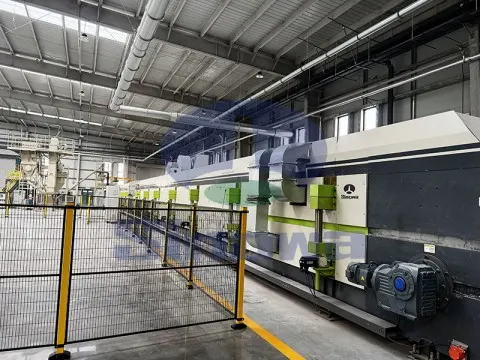
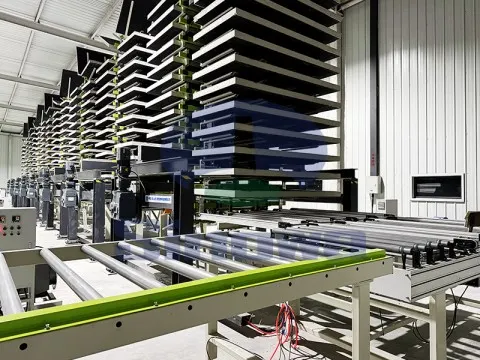
Tags: roof insulation panel production line, roof insulation panel production line manufacturer, roof insulation panel production line supplier, china roof insulation panel production line, roof insulation panel production line for sale
https://www.sandwichpanelmanufacturingline.com/blog/roof-insulation-panel-production-line.html
-
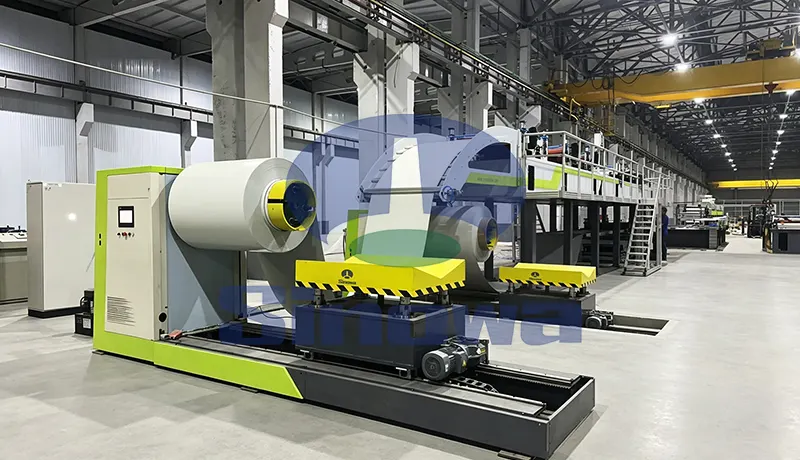
A reliable PU sandwich panel production line serves as the core equipment for manufacturing high-performance building insulation panels. This professional PU sandwich panel line features automated feeding, foaming and molding processes to ensure consistent panel thickness and structural stability. The well-designed polyurethane sandwich panel production line effectively improves production efficiency while reducing material waste in daily operation. Each calibrated polyurethane sandwich panel line can adapt to different panel sizes to meet diverse construction needs. With precise temperature and pressure control, the advanced continuous PU sandwich panel line produces panels with excellent thermal insulation and weather resistance. Meanwhile, the optimized PIR sandwich panel production line upgrades the foaming formula to enhance fire resistance performance. The high-efficiency PIR sandwich panel line maintains stable operation during long-term mass production, delivering durable and high-quality sandwich panels for various architectural and industrial applications.
-
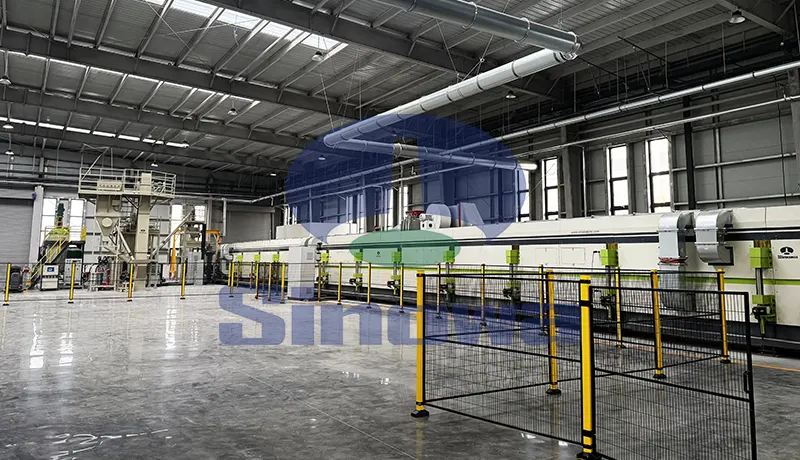
The phenolic panel production line realizes automated and continuous manufacturing of high-performance thermal insulation panels through streamlined and coordinated processing procedures.
-
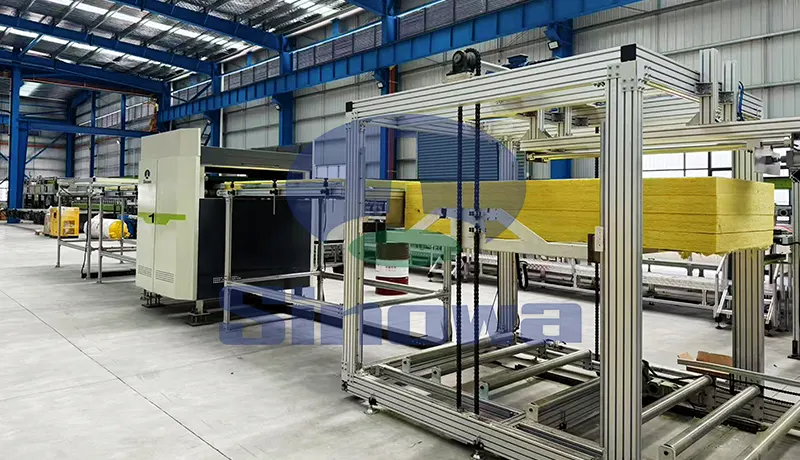
Modern insulation panel manufacturing relies on professional automated equipment to ensure stable product quality and high production efficiency. The rock wool sandwich panel production line features precise material lamination and forming processes to produce rigid, heat-insulating building panels. Meanwhile, the mineral wool sandwich panel production line adopts optimized assembly procedures to fabricate lightweight, soundproof panels widely used in architectural enclosure and thermal preservation projects.