PUR Sandwich Panel Equipment
Publication Date: Nov 17, 2026
Automatic PUR sandwich panel equipment for continuous insulated wall & roof panels. High precision, fully automated, for cold room, clean room & prefab building. Custom line available.
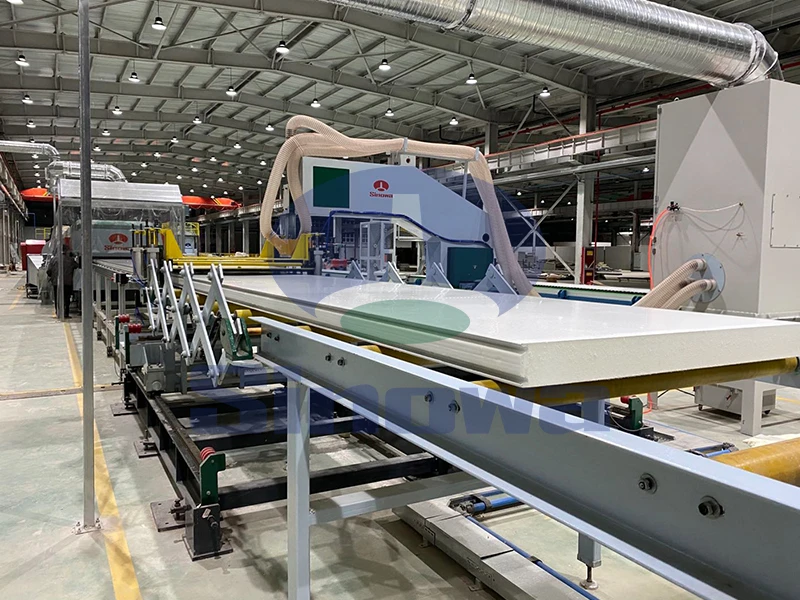
The Basic Composition of PUR Sandwich Panel Equipment
PUR sandwich panel equipment represents a complete continuous production system designed for manufacturing composite panels with rigid polyurethane foam as the core insulating layer. The whole production line integrates multiple functional units that work in sequence to turn raw materials into finished sandwich panels with stable structure and consistent performance. At the starting section, raw material unwinding devices hold the surface metal or non-metal facings, delivering flat sheet materials at a controllable constant speed to the subsequent processing stations. Material guiding and correction mechanisms continuously adjust the position of the facings to avoid deviation during high-speed movement, which is critical to prevent uneven coating and misalignment of the upper and lower skins. The metering and mixing unit for PUR raw materials serves as the heart of the system. It precisely controls the flow ratio of polyol and isocyanate components, mixing them thoroughly inside a high-pressure mixing head before the liquid mixture is evenly distributed onto the lower facing material. After the foam material is laid, the upper facing is covered, and the composite structure enters the laminating and curing zone. Inside this zone, temperature and pressure conditions are carefully maintained to support the chemical foaming and cross-linking reaction of the PUR material. As the liquid expands and solidifies, it forms a tight adhesive bond with both the upper and lower facings. Auxiliary parts include cleaning devices for the mixing head, material recycling structures for excess raw materials, and safety sensors that trigger alerts when abnormal pressure or temperature is detected. Every module is coordinated by a central control system, ensuring the synchronization of feeding, mixing, laminating, curing and cutting processes. Without this coordinated equipment layout, it would be impossible to produce long-length sandwich panels with uniform foam density and reliable bonding strength in a continuous manner.
Material Matching and Feeding Control Logic of PUR Sandwich Panel Equipment
The stable operation of PUR sandwich panel line heavily relies on accurate feeding control for both surface facings and foam chemical raw materials. Different types of facing materials place different demands on the unwinding and conveying parts of the equipment. Thin metal facings require tension control to avoid wrinkling or stretching, while thicker cement fiber boards or decorative boards need supporting rollers to prevent sagging during transportation. The tension control system uses real-time feedback to adjust the braking force of unwinding reels, keeping the surface material flat without internal stress that may cause warping of finished panels later. For the two-component PUR chemical system, the metering pump system determines the quality of the final foam layer. Minor fluctuations in the proportion of raw materials will directly change the foaming reaction speed, foam cell structure and adhesion effect between the core and facings. The equipment is built with closed-loop flow monitoring, which tracks the delivery volume of each component and automatically fine-tunes pump speed to maintain a fixed mixing ratio. Heating loops are installed on the raw material pipelines and storage tanks, because the viscosity of PUR raw materials changes significantly with temperature. Maintaining a constant raw material temperature ensures consistent fluidity and stable mixing results. The distribution system after the mixing head spreads the mixed liquid along the width direction of the lower facing. The design of the distribution runner directly affects whether the foam layer has uniform thickness across the whole panel width. Operators can adjust the moving speed of the distribution mechanism according to the target panel thickness and production line speed. This set of feeding and metering control logic reduces manual intervention and lowers the risk of defective products caused by uneven material supply. It also expands the adaptability of the equipment, allowing it to switch between different panel specifications by modifying parameter settings on the control interface instead of major mechanical reconstruction.
Foaming, Laminating and Curing Process Inside the Equipment
The foaming, laminating and curing section is where the PUR sandwich panel takes shape, and this working area imposes the strictest requirements on the environmental parameters maintained by the equipment. After the mixed PUR liquid is coated on the lower facing, the material immediately begins the initial foaming reaction. The reaction speed is affected by line speed, ambient temperature and the formula of the raw material system. The laminating frame applies stable and uniform vertical pressure on the combined upper and lower facings, limiting the expansion height of the foam to the preset panel thickness. The pressing plates or conveyor belts of the laminating unit must maintain parallel movement; uneven pressure will lead to local thin foam layers, voids or poor bonding between foam and facings. Inside the curing tunnel, a steady thermal environment accelerates the completion of cross-linking reactions. The equipment divides the curing tunnel into several temperature zones, rather than applying a single temperature to the whole section. In the early curing zone, moderate heat supports continuous foaming and bonding; in the later zone, slightly higher temperature helps the foam finish solidification and lock the internal cell structure. The conveying speed through the tunnel matches the total curing time required by the PUR formula. If panels move too fast, the foam will be incompletely cured and prone to deformation after cutting; if moving too slowly, production efficiency drops and over-curing may make the foam brittle. Ventilation structures inside the curing section handle trace gas generated during the reaction, keeping the working environment stable and preventing gas accumulation from interfering with the foaming process. After exiting the curing tunnel, the composite panel already has complete structural strength. Subsequent processing can be carried out safely, including trimming, cutting and stacking. This integrated process design turns the fast chemical reaction of PUR foam into a controllable industrial production process, balancing production speed and finished product stability.
Cutting, Trimming and Post-Processing Functions of the Equipment
After the cured continuous composite panel leaves the curing section, the cutting and post-processing unit of PUR sandwich panel equipment completes shaping according to customized length and width requirements. The continuous panel moves forward synchronously with the flying saw cutting mechanism, so cutting can proceed without stopping the production line. Synchronous tracking technology ensures the cutting position is accurate even under high running speed, avoiding dimensional errors that would occur with static cutting. The cutting tool structure is selected according to the type of facing material. Tools for metal facings adopt wear-resistant blade designs to reduce burrs on the cut edge, while tools for non-metal facings focus on neat fracture surfaces without cracking. Edge trimming devices remove the excess foam and uneven edge portions on both sides of the panel. The trimming process standardizes the panel width and creates clean edges that facilitate later installation and sealing. Some configurations of the equipment add grooving and profiling modules in the post-processing section. These modules carve connecting grooves or lock structures on the edge of panels, which simplifies the assembly process when panels are used for enclosure systems. After trimming and cutting, a surface inspection station checks obvious surface defects, including scratches on facings, indentations on foam core and separation between skin and core. The inspection unit can be equipped with visual sensing components that mark defective sections automatically. Then the finished panels are transferred to the stacking area by roller conveyors and turning mechanisms. Stacking devices arrange panels neatly and apply protective separation materials between layers to prevent surface abrasion during storage. All post-processing actions are linked with the main line speed signal. When the main line adjusts production speed, the cutting frequency, trimming speed and stacking rhythm adjust synchronously. This linkage avoids bottlenecks in the post-processing stage and keeps the whole production line running continuously at the designed capacity.
Control System and Operating Interface of PUR Sandwich Panel Equipment
The control system acts as the central nerve of PUR sandwich panel production line, unifying the operation of mechanical transmission, raw material metering, temperature regulation, pressure adjustment and safety protection. Most systems adopt a distributed control framework, where independent controllers manage individual functional units while exchanging real-time data with the main human-machine interface. The operation interface displays key operating parameters in real time, including line running speed, raw material flow rate, mixing head pressure, temperature of each curing zone, laminating pressure and the current count of finished panels. Operators can set target specifications such as panel thickness, width and length on the interface. After the parameters are confirmed, the system automatically calculates and adjusts the matching working parameters of pumps, heating units and laminating mechanisms. The control system stores multiple sets of parameter recipes for different panel types. When switching product specifications, operators only need to call the corresponding recipe instead of resetting each parameter manually, greatly shortening the specification switching time. Abnormal monitoring functions run continuously during production. When parameters deviate from the set range, the system first sends visual and audible warnings. If dangerous deviations persist, the system triggers interlock protection actions, such as stopping raw material feeding or slowing down the main line to prevent large quantities of defective products or equipment damage. Historical operating data is recorded automatically, which helps technicians analyze the cause of quality fluctuations and optimize production parameters later. Permission management is also embedded into the control system. Different operator accounts have different operation authorities. ordinary production staff can view data and select recipes, while technical engineers have access to modify underlying control parameters. This layered management reduces misoperation risks and improves the safety and standardization of daily equipment operation.
Adaptability of the Equipment to Different Facing Materials
One outstanding advantage of mature PUR sandwich panel equipment lies in its strong adaptability to various facing materials, which expands the application scenarios of finished panels. Metal facings are the most commonly used material, and the equipment’s tension control and guiding structures are optimized to handle thin coated metal sheets. The conveying rollers are designed with smooth surfaces to protect the coating layer from scratches. For rigid board facings such as fiber cement boards, calcium silicate boards and wood composite boards, the equipment replaces the unwinding unit with a plate feeding platform. The platform feeds individual rigid boards one by one at a stable interval, matching the foaming and laminating rhythm. Soft textile or film decorative facings require special anti-static and anti-stretching adjustments on the tension system to keep decorative patterns undistorted during production. When using perforated facings, the PUR distribution system needs adjusted spraying patterns to prevent excessive liquid raw material from leaking through the holes before foaming. The laminating pressure range of the equipment can be adjusted in a wide interval. Rigid facings can bear higher pressing pressure to achieve tight bonding, while brittle decorative facings require lower pressure to avoid cracking. The equipment also supports composite production with asymmetric facings, meaning the upper and lower sides can use different materials with different thicknesses. In this case, the control system sets separate tension and conveying parameters for the two facing feeding units. The curing parameters also need fine-tuning, because different facings have different heat conduction performance, which changes the heat transfer speed to the PUR foam core. This flexible adaptability allows manufacturers to produce sandwich panels for thermal insulation, decoration, sound absorption and clean environment applications on the same set of equipment. Manufacturers do not need to purchase separate production lines for every single facing material, which optimizes the investment efficiency of production facilities.
Maintenance Requirements and Wear-Part Management of PUR Sandwich Panel Equipment
Long-term stable performance of PUR sandwich panel equipment depends on standardized daily maintenance and scientific management of vulnerable components. The high-pressure mixing head is the core wear-prone part. Residual PUR raw materials will cure inside the mixing chamber if not cleaned thoroughly after shutdown. Therefore, the equipment is equipped with automatic cleaning circuits using cleaning agents that flush the runner and mixing chamber after each production batch. Operators need to check the sealing rings inside the mixing head regularly. Worn seals cause raw material leakage, which leads to abnormal mixing ratios and poor foam quality. The metering pumps for PUR raw materials also face wear over time, because the chemical components have slight corrosiveness and abrasiveness. Regular flow calibration is required to verify measurement accuracy. When the deviation exceeds the allowable range, pump internal components need replacement. Conveyor belts and pressing belts in the laminating and curing zone are continuously exposed to heat and contact with foam raw materials. Surface aging, cracking and deformation will affect the flatness of panels. Inspection cycles for these belts should be arranged according to actual production load. Guide rollers, correction rollers and transmission chains need periodic lubrication. Lack of lubrication increases running resistance, causes unstable material conveying and raises the energy consumption of the whole line. Sensors for temperature, pressure, position and speed also need regular calibration. Drift of sensor readings will mislead the control system and result in invisible quality problems. Maintenance work is divided into daily inspection, weekly component checking and comprehensive seasonal overhaul. Daily inspection focuses on leakage, abnormal noise and alarm records. Weekly maintenance includes cleaning filter elements of raw material pipelines and checking the working state of safety interlocks. Seasonal overhaul involves disassembly inspection of key units and replacement of parts approaching the end of service life. Establishing maintenance records helps track the service cycle of each wear part and arrange spare parts stocking reasonably. Proper maintenance can effectively extend the service life of the whole equipment and reduce unexpected production shutdowns.
Energy Consumption Characteristics and Optimization Directions of the Equipment
Energy consumption of PUR sandwich panel manufacturing line mainly comes from several parts: raw material heating systems, curing tunnel heating, transmission motors, high-pressure metering pumps and auxiliary ventilation systems. The heating system accounts for the largest share of energy use. Raw materials need constant temperature to maintain stable viscosity, and the curing tunnel provides continuous thermal support for foam cross-linking. Traditional heating modes rely on fixed continuous heating regardless of actual load, which causes energy waste during standby or low-speed production. Modern optimized equipment adopts segmented temperature control and load-linked heating strategy. When the production line slows down or pauses temporarily, the set temperature of idle heating zones is automatically lowered instead of remaining at full working temperature. Heat preservation layers are added on the outer wall of curing tunnels and raw material pipelines to reduce heat loss to the surrounding environment. Transmission energy consumption relates to the smoothness of mechanical movement and the matching of motor power. Reasonable matching of motor power avoids the situation where large power motors run under light load for a long time. Variable frequency drive technology is widely used on conveying motors, pump motors and fan motors. The output power changes according to real-time demand, cutting down idle power consumption. The waste heat discharged from the curing tunnel can be guided to the raw material preheating unit in some optimized layout designs, realizing partial heat reuse. The chemical foaming reaction of PUR itself releases heat, and skilled process technicians can take advantage of reaction heat to reduce external heating demand within a safe range. Energy optimization does not mean blindly reducing temperature parameters. All adjustments must be based on the premise that foaming reaction, curing degree and bonding strength of panels meet the production requirements. The control system can count energy consumption data corresponding to different production speeds and product specifications. Through data analysis, enterprises can find the most energy-efficient operating speed interval for each panel type. Continuous energy optimization not only lowers the operating cost of the production line but also reduces the overall resource input of panel manufacturing.
Production Capacity Planning and Line Layout Considerations
Capacity planning for PUR sandwich panel equipment starts with clarifying the range of panel specifications and target daily output. The theoretical production speed of the line is limited by the required curing time of PUR foam. Even if the front feeding and mixing units can run at a higher speed, the panels cannot leave the curing tunnel before the foam is fully solidified. Therefore, the length of the curing tunnel is the core constraint factor for maximum line speed. When planning equipment layout in the workshop, enough space must be reserved for the whole continuous line. The equipment extends linearly, with raw material storage area at one end and finished product stacking and temporary storage area at the other end. Passage space should be reserved on both sides of the line for operators to patrol, inspect and perform maintenance. Raw material storage tanks are placed close to the feeding port of the metering unit to shorten the length of transmission pipelines. Shorter pipelines reduce raw material temperature fluctuation and the risk of material blockage. Ventilation and waste gas treatment facilities are arranged near the curing and foaming section, where reaction gas is generated. The layout should separate the control operation station from the chemical raw material area to create a safe and comfortable operating space. Material handling paths for raw materials entering the workshop and finished panels leaving the workshop are designed to avoid crossing and congestion. For enterprises with growing demand, some equipment designs reserve expansion interfaces. Later, users can add secondary surface treatment units, automatic packaging units or online testing modules without rebuilding the main line structure. Capacity planning also needs to consider effective production time. Apart from pure running speed, time for specification switching, equipment cleaning, routine maintenance and brief troubleshooting should be counted into the overall capacity calculation. Reasonable workshop layout and capacity matching reduce internal logistics barriers, improve the turnover efficiency of raw materials and finished goods, and help the equipment achieve the designed stable output level in daily operation.
Development Trend and Technical Evolution of PUR Sandwich Panel Equipment
The development direction of PUR sandwich panel equipment centers on higher production stability, richer product capability, intelligent operation and more friendly processing characteristics. Intelligent sensing technology will be more deeply integrated into every production station. Inline detection modules can continuously test foam density, bonding state and panel thickness without stopping production. Detection data feeds back to the control system to adjust metering and laminating parameters in real time, forming a closed-loop intelligent quality control system. Digital twin technology also starts to be applied. A virtual model of the equipment synchronizes with the physical production line, allowing technicians to simulate specification switching, parameter adjustment and fault scenarios in a virtual environment. This reduces the risk of trial adjustment on the real line and shortens the test cycle for new panel formulas. In terms of mechanical structure, new generations of equipment pursue faster specification switching. Quick-adjust laminating gaps, modular facing feeding stations and fast-change mixing components reduce the downtime between different product orders. Equipment designs are also evolving to adapt to low-volatile and modified PUR raw material systems, matching the development trend of low-emission composite panels. Noise reduction and sealing optimization on mechanical units improve the on-site working environment. Modular equipment architecture becomes mainstream. Users can select functional modules according to their own product positioning, instead of purchasing a full fixed configuration at the beginning. This modular mode lowers the threshold for small and medium manufacturers to deploy the production line. Meanwhile, the compatibility with recycling-oriented raw material systems is gradually added into equipment research and development. The whole industry moves from simple pursuit of production speed to balancing speed, quality flexibility, operation intelligence and environmental performance. As the downstream market puts forward more diversified demands for composite insulation panels, PUR sandwich panel equipment will keep iterating, providing more reliable and flexible manufacturing solutions for composite panel production.
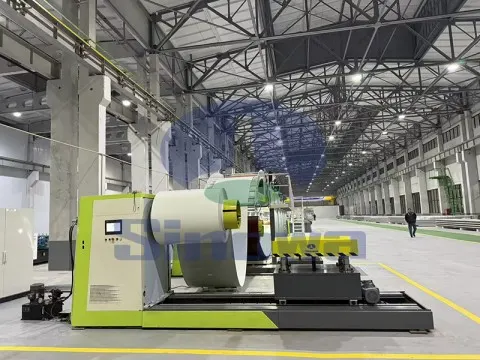
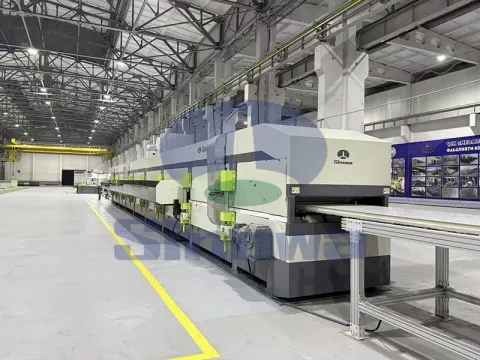
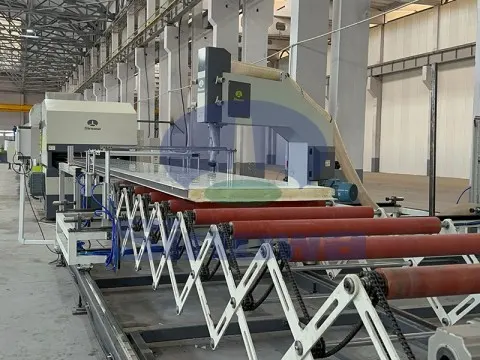
Gallery of PUR Sandwich Panel Equipment
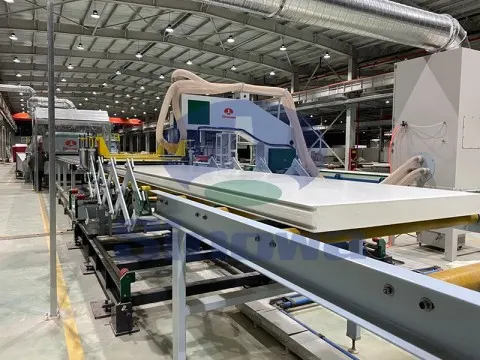
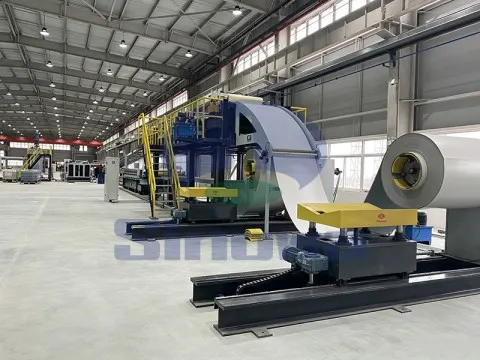
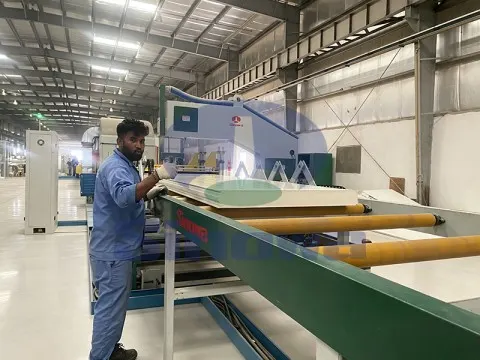
Tags: pur sandwich panel equipment, pur sandwich panel equipment manufacturer, pur sandwich panel equipment supplier, china pur sandwich panel equipment, pur sandwich panel equipment for sale
https://www.sandwichpanelmanufacturingline.com/blog/pur-sandwich-panel-equipment.html
-
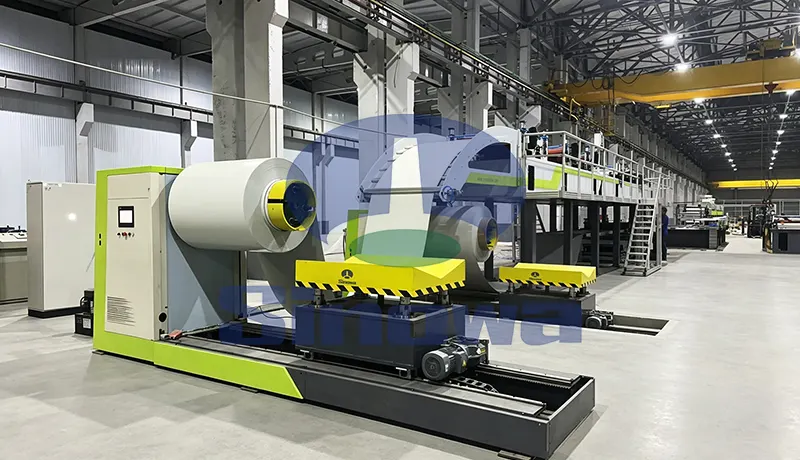
A reliable PU sandwich panel production line serves as the core equipment for manufacturing high-performance building insulation panels. This professional PU sandwich panel line features automated feeding, foaming and molding processes to ensure consistent panel thickness and structural stability. The well-designed polyurethane sandwich panel production line effectively improves production efficiency while reducing material waste in daily operation. Each calibrated polyurethane sandwich panel line can adapt to different panel sizes to meet diverse construction needs. With precise temperature and pressure control, the advanced continuous PU sandwich panel line produces panels with excellent thermal insulation and weather resistance. Meanwhile, the optimized PIR sandwich panel production line upgrades the foaming formula to enhance fire resistance performance. The high-efficiency PIR sandwich panel line maintains stable operation during long-term mass production, delivering durable and high-quality sandwich panels for various architectural and industrial applications.
-
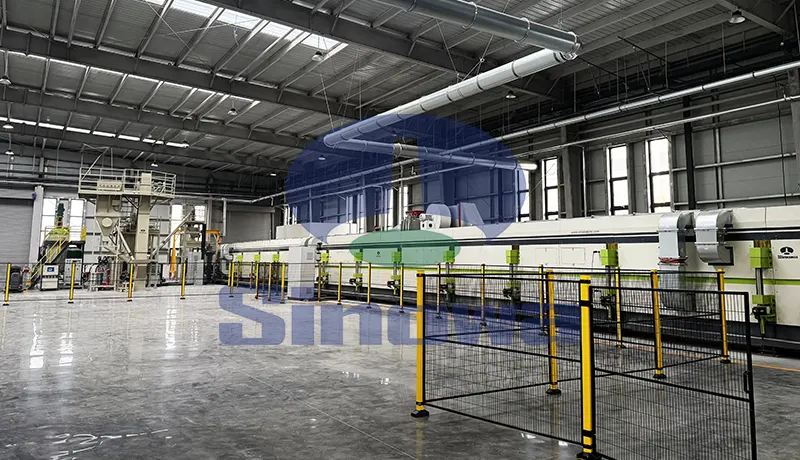
The phenolic panel production line realizes automated and continuous manufacturing of high-performance thermal insulation panels through streamlined and coordinated processing procedures.
-
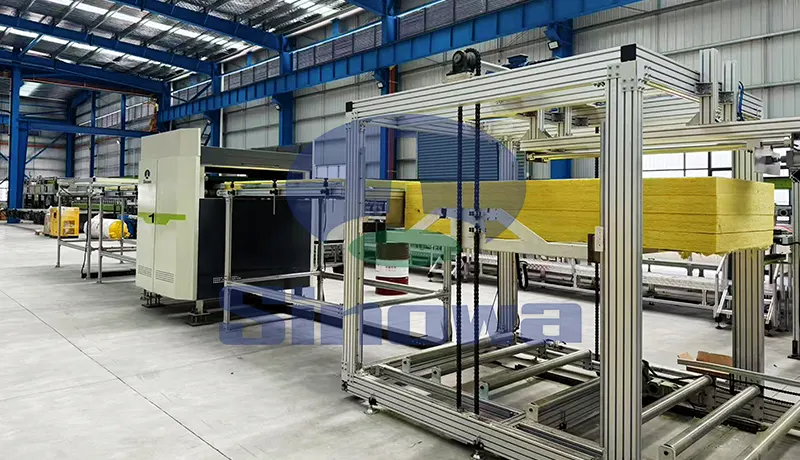
Modern insulation panel manufacturing relies on professional automated equipment to ensure stable product quality and high production efficiency. The rock wool sandwich panel production line features precise material lamination and forming processes to produce rigid, heat-insulating building panels. Meanwhile, the mineral wool sandwich panel production line adopts optimized assembly procedures to fabricate lightweight, soundproof panels widely used in architectural enclosure and thermal preservation projects.