What Are The Daily Maintenance Steps For The Automatic Polyurethane Sandwich Panel Line?
Publication Date: Oct 7, 2026
Regular daily maintenance is essential for automatic polyurethane sandwich panel lines to sustain stable operation, extend equipment lifespan, and ensure consistent product quality.
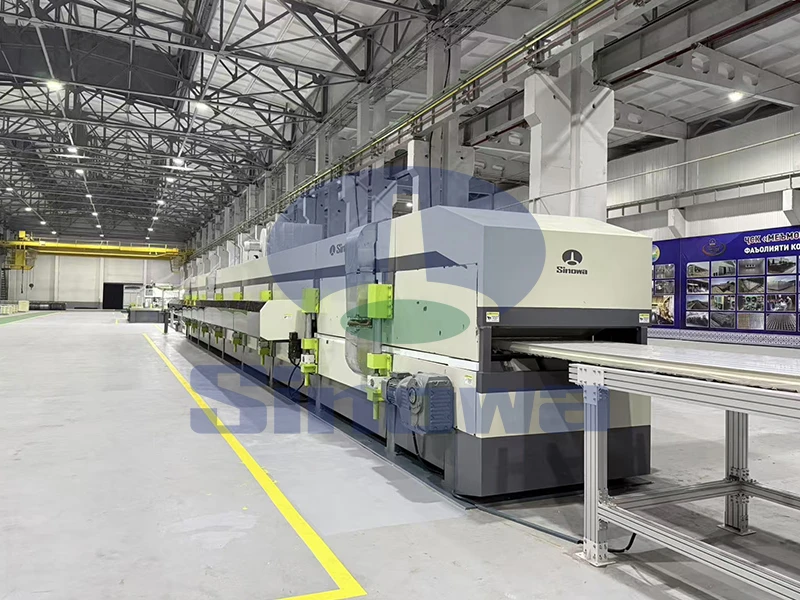
The first core daily maintenance step is comprehensive surface cleaning of the entire production line, which lays a foundation for stable daily operation. After finishing daily production tasks, operators need to thoroughly remove residual polyurethane foam raw materials, dust, debris and processing waste from all equipment surfaces. Key cleaning areas include material conveying platforms, pressing roller surfaces, pouring stations and cutting unit shells, where residual raw materials are most likely to accumulate and cure. Cured polyurethane residues can cause surface abrasion to mechanical components, block material delivery pipelines, and even affect the flatness and molding accuracy of subsequent sandwich panel products. Operators should adopt targeted cleaning methods, using soft cleaning tools to wipe precision parts to avoid scratches, and removing stubborn cured materials with professional non-corrosive cleaning agents. Meanwhile, the surrounding production environment of the equipment should be cleaned to prevent floating dust from reattaching to running parts during subsequent production.
Daily visual and structural inspection of key mechanical components is an indispensable maintenance procedure to eliminate potential faults. Operators need to conduct a full-circle inspection of transmission structures including conveyor chains, gear sets, driving belts and traction rollers every day. They should carefully check for abnormal wear, component deformation, structural cracks and loose connecting fasteners during the inspection process. For rotating and rolling components, slight jitter or abnormal friction traces during operation should be recorded in a timely manner, as these subtle anomalies may evolve into major equipment failures with long-term operation. In addition, protective baffles, safety guards and limit baffles of the production line need to be checked for firm installation and complete appearance. Damaged or displaced protective parts will not only affect equipment operation stability but also bring hidden dangers to on-site operation safety. All abnormal conditions found must be sorted and confirmed before equipment shutdown every day.
Timely lubrication maintenance of transmission and rotating parts is critical to reducing mechanical friction loss and maintaining operation flexibility. During daily maintenance, operators need to check the lubrication status of all movable parts such as bearings, roller shafts, chain links and gear engagement positions. Long-term high-frequency operation will lead to lubricant consumption and volatilization, resulting in increased friction between metal parts, accelerated component wear and even abnormal operating noise. It is necessary to supplement or replace matching lubricating oil and grease according to the actual operation condition of each component, avoiding excessive or insufficient lubrication. Excessive lubricant will adhere to dust and form dirt deposits, while insufficient lubrication will fail to form effective protective oil films. After lubrication, idle running test for 3 to 5 minutes is required to ensure the lubricant is evenly distributed on component surfaces and fills friction gaps completely.
Daily inspection and maintenance of hydraulic and pneumatic systems ensure stable power output of the entire production line. Operators need to check the liquid level and clarity of hydraulic oil in the hydraulic station every day to ensure the oil level is within the normal working range. Turbid, deteriorated or impurity-mixed hydraulic oil must be replaced in time to prevent pipeline blockage and hydraulic component wear. Meanwhile, check all hydraulic pipelines, joints and valve bodies for oil leakage, loose connections and pipeline aging deformation. For the pneumatic system, it is necessary to monitor the working air pressure stability, check the air tightness of air pipes and connectors, and drain the condensed water accumulated in the air storage cylinder and filter in time. Unstable air pressure and water accumulation in the air circuit will directly affect the precision of pressing, cutting and forming actions of the equipment, leading to inconsistent product processing dimensions.
Calibration and maintenance of precision sensing and detection components guarantee accurate production parameter control. Automatic polyurethane sandwich panel lines rely on various sensors to monitor production parameters such as feeding speed, pressing thickness and cutting length in real time. Every day before equipment startup, operators need to check the working status of thickness sensors, speed sensors and counting sensors to confirm no dust coverage, position offset or signal delay. Dust and material residues attached to the sensor probe will interfere with signal induction and cause parameter detection deviation. Simple cleaning and position correction should be carried out for slightly offset sensors to ensure their detection accuracy. In addition, the sensitivity of limit sensors and emergency induction components needs to be tested manually to ensure they can respond timely when equipment operates beyond the preset range, effectively avoiding equipment collision and processing errors.
Inspection and maintenance of cutting and molding units help stabilize product processing accuracy and finish. The cutting blade is a core vulnerable part of the production line, and daily inspection focuses on checking blade sharpness, surface wear and edge integrity. Slightly worn blades will lead to burrs and uneven cuts on the edge of sandwich panels, while severely worn or cracked blades need to be replaced in a timely manner. Meanwhile, check the operating stability of the cutting tool holder and sliding guide rail to ensure no jitter or jamming during high-speed cutting. For the molding pressing unit, operators need to check the surface flatness of pressing rollers and the consistency of pressing gaps. Foreign matter adhesion on the roller surface will cause indentations on the panel surface, and inconsistent gaps will lead to uneven thickness of finished products, affecting the overall quality of polyurethane sandwich panels.
Daily inspection and dust removal of electrical control systems ensure safe and stable equipment operation. The electrical control cabinet is the core command center of the automatic production line, and operators need to check the cabinet door sealing status every day to prevent dust, moisture and debris from entering the cabinet. Accumulated dust in the cabinet will cause poor heat dissipation of electrical components and even short-circuit faults. It is necessary to regularly clean the dust on the surface of circuit boards, terminals and contactors with dry dust removal tools. In addition, check the firmness of circuit connections, observe whether there is abnormal heating or scorching marks on wires and electrical components during equipment operation, and confirm the normal working state of the display screen and control buttons of the operation panel. Abnormal electrical phenomena must be handled in a timely manner to prevent equipment shutdown failures and electrical safety accidents.
Daily inspection and dredging of feeding and foaming systems ensure smooth material supply and uniform foaming effect. The polyurethane foaming system determines the core performance of sandwich panels, so daily maintenance needs to focus on checking the smoothness of raw material conveying pipelines and the working state of foaming nozzles. Residual raw materials in the pipeline are prone to curing and blocking after long-term shutdown, so residual materials in the pipeline and nozzle need to be cleaned and dredged every day after production. Operators should also check the uniformity of raw material mixing and the stability of foaming output during equipment trial operation, to avoid uneven foaming, hollow cores or insufficient filling of sandwich panels. Meanwhile, check the material level detection device of the feeding system to ensure accurate real-time monitoring of raw material reserves and avoid production interruption caused by material shortage.
Daily safety component inspection and functional testing eliminate operational safety hazards. Before daily startup and after shutdown, operators need to comprehensively test all safety protection devices of the production line, including emergency stop buttons, safety induction switches, anti-collision devices and alarm systems. Press the emergency stop button repeatedly to confirm that the equipment can stop running instantly and the alarm device can be triggered normally. Check whether the safety protection area of the production line is free of foreign object obstruction and whether the safety warning signs are complete and clear. For movable safety protection parts, confirm flexible opening and closing and sensitive induction response. Timely troubleshooting of failed safety components is required, and the equipment is strictly prohibited from running with faulty safety devices to ensure the personal safety of operators and the operational safety of mechanical equipment.
Standardized daily maintenance record sorting and equipment operation status summary form a complete closed-loop maintenance management. After finishing all daily maintenance work, operators need to truthfully record all inspection results, component operation status, fault hidden dangers and maintenance processing contents in detail. The records should include abnormal component positions, fault phenomena, processing measures and remaining hidden dangers that need follow-up attention. Through daily record accumulation, maintenance personnel can grasp the operation law and component wear cycle of the production line, providing effective data support for subsequent targeted maintenance and parts replacement. Meanwhile, conduct a daily summary of equipment operation stability, adjust minor parameter deviations in a timely manner, and form a good maintenance habit of daily inspection, daily cleaning and daily troubleshooting to long-term maintain the efficient and stable operation of the automatic polyurethane sandwich panel production line.
Gallery of Automatic Polyurethane Sandwich Panel Line






Tags: automatic polyurethane sandwich panel line, automatic polyurethane sandwich panel line manufacturer, automatic polyurethane sandwich panel line supplier, china automatic polyurethane sandwich panel line, automatic polyurethane sandwich panel line for sale
-

A reliable PU sandwich panel production line serves as the core equipment for manufacturing high-performance building insulation panels. This professional PU sandwich panel line features automated feeding, foaming and molding processes to ensure consistent panel thickness and structural stability. The well-designed polyurethane sandwich panel production line effectively improves production efficiency while reducing material waste in daily operation. Each calibrated polyurethane sandwich panel line can adapt to different panel sizes to meet diverse construction needs. With precise temperature and pressure control, the advanced continuous PU sandwich panel line produces panels with excellent thermal insulation and weather resistance. Meanwhile, the optimized PIR sandwich panel production line upgrades the foaming formula to enhance fire resistance performance. The high-efficiency PIR sandwich panel line maintains stable operation during long-term mass production, delivering durable and high-quality sandwich panels for various architectural and industrial applications.
-

The phenolic panel production line realizes automated and continuous manufacturing of high-performance thermal insulation panels through streamlined and coordinated processing procedures.
-

Modern insulation panel manufacturing relies on professional automated equipment to ensure stable product quality and high production efficiency. The rock wool sandwich panel production line features precise material lamination and forming processes to produce rigid, heat-insulating building panels. Meanwhile, the mineral wool sandwich panel production line adopts optimized assembly procedures to fabricate lightweight, soundproof panels widely used in architectural enclosure and thermal preservation projects.