Can PIR Sandwich Panel Production Line Produce PU Sandwich Panels Simultaneously?
Publication Date: Oct 8, 2026
The line supports PU/PIR recipe switching, yet cannot manufacture both sandwich panel types in one production run.
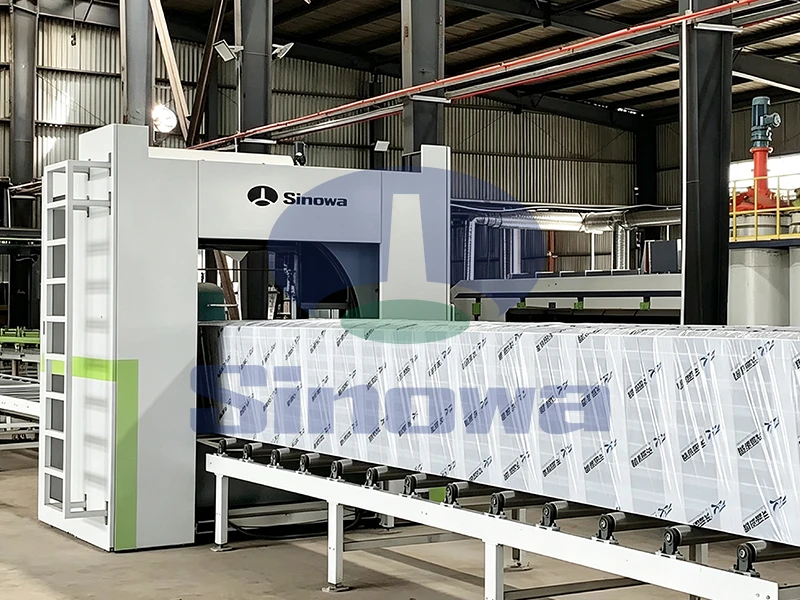
The core structure and operational logic of modern PIR sandwich panel production lines lay a solid foundation for switching to PU panel production, making simultaneous mixed production technically feasible in most automated continuous production systems. Both PIR and PU sandwich panels share identical basic production workflows, including surface material unwinding, surface pretreatment, core material foaming injection, layered composite pressing, constant-temperature curing, fixed-length cutting and finished product stacking. The overall mechanical framework and transmission systems of the production line do not need structural overhauls for material switching, as all core mechanical modules are universally adaptable to both foam core materials. The key difference lies in the chemical formulation and foaming parameters rather than mechanical equipment structure, which eliminates the biggest barrier to simultaneous production of the two types of panels on one single line.
The key functional module that supports simultaneous production of PU and PIR panels is the multi-component high-pressure metering and foaming system equipped on advanced PIR production lines. Traditional single-formula foaming systems can only adapt to fixed material ratios, while upgraded modular metering systems are designed with independent catalyst, additive and isocyanate conveying pipelines. These separate pipelines allow producers to adjust raw material proportions in real time, change catalytic components and modify foaming formulas without replacing core equipment. By simply adjusting the isocyanate index and matching auxiliary additives, the system can quickly switch between PIR formula and PU formula, realizing flexible alternation between the two panel production modes within a short downtime. This modular design is the core technical support for mixed production on a single line.
Although simultaneous production is achievable, PU and PIR materials have distinct foaming and curing characteristics that require targeted parameter optimization during production. PU foam features faster foaming speed, lower curing temperature and softer core texture, while PIR foam needs higher temperature curing, longer reaction time and stricter component ratio control to form stable rigid structures. When conducting mixed production, the production line’s temperature control system, transmission speed and foaming injection volume must be fine-tuned synchronously. The constant-temperature curing tunnel needs real-time temperature adjustment to match the curing cycle of different foam materials, and the running speed of the conveyor belt must be modified to ensure sufficient reaction time for each core material, avoiding incomplete foaming or over-curing defects.
Recipe storage and intelligent control systems greatly improve the efficiency of simultaneous PU and PIR panel production on PIR production lines. Modern automated production lines are equipped with intelligent PLC control terminals that can store multiple sets of mature production formulas for PU and PIR panels. Operators can switch production modes with one-click parameter calling, avoiding repeated manual debugging and formula calibration. The system can automatically synchronize and adjust all linked parameters, including raw material metering ratio, injection pressure, curing temperature and line running speed, ensuring stable product quality during frequent production switching. This intelligent control mode effectively reduces human error and shortens mode conversion downtime, making intermittent simultaneous mass production more practical.
Thorough pipeline cleaning and material isolation are essential procedures to guarantee product quality during simultaneous mixed production. Residual raw materials in pipelines will cause chemical cross-contamination between PU and PIR formulas, leading to unstable foaming density, uneven core structure and reduced panel insulation performance. Professional production lines support segmented pipeline cleaning and residual material discharge, with independent switching valves for different material pipelines to prevent cross-mixing of raw materials. Standardized cleaning procedures between mode conversions can completely eliminate residual material interference, ensuring that each batch of PU or PIR panels maintains consistent physical performance and structural stability without quality fluctuations caused by formula mixing.
Despite technical feasibility, pure synchronous parallel production of PU and PIR panels without interval still faces certain limitations in actual industrial operation. A single continuous production line can only execute one set of foaming formula and parameter logic at the same time, making it impossible to produce two different core material panels completely synchronously in the same production cycle. The so-called simultaneous production in industrial applications refers to flexible batch alternate production, namely producing a certain batch of PIR panels first, then quickly switching parameters and formulas to produce PU panels, and circulating the process according to order demands. It cannot realize parallel output of two products at the exact same time, which is a key distinction in practical production definitions.
The adaptive adjustment of post-processing systems further ensures the overall compatibility of PIR production lines for PU panel production. The fixed-length cutting, edge trimming and stacking modules of standard PIR production lines are designed with adjustable precision ranges, which can fully adapt to the dimensional specifications and structural characteristics of PU sandwich panels. Since the surface materials of PU and PIR panels are basically the same, including color steel plates, aluminum plates and other composite surface layers, the surface pretreatment and composite pressing processes are completely universal. No modification or replacement is needed for post-processing equipment, which means the entire production line can maintain complete process integrity when switching between the two products, with no additional equipment investment required.
Simultaneous alternate production of PU and PIR panels on a single PIR production line brings significant cost and market advantages for manufacturing enterprises. It eliminates the need to purchase two separate production lines for different panel products, greatly reducing equipment procurement costs, factory space occupation and daily maintenance expenses. Enterprises can flexibly adjust product output according to market demand changes, switching between cost-effective PU panels and high-performance PIR panels to meet diverse customer needs. This flexible production mode optimizes production resource allocation, improves equipment utilization rate, and enhances the market competitiveness of enterprises in the diversified insulation panel industry.
Standardized operational management is crucial to stabilize product quality in mixed production modes. Enterprises need to formulate independent operational specifications for PU and PIR production modes, including parameter setting standards, pipeline cleaning cycles, raw material switching procedures and product quality inspection criteria. Professional training for operators is required to ensure proficient mastery of mode switching operations and parameter adjustment skills. Regular equipment inspection and maintenance of metering systems, temperature control modules and control terminals can avoid parameter drift and equipment failure, ensuring long-term stable and high-quality alternate production of two types of sandwich panels on the same line.
In conclusion, traditional PIR sandwich panel production lines cannot achieve absolute synchronous parallel production of PU panels, but they can realize efficient simultaneous alternate batch production through formula switching and parameter adjustment. Supported by modular foaming systems and intelligent control technology, the production line can flexibly switch between PU and PIR production modes with stable product quality and low conversion cost. With standardized operational management, this mixed production mode can fully meet the diversified production needs of modern enterprises, becoming an economical and efficient production solution for the insulation panel manufacturing industry.
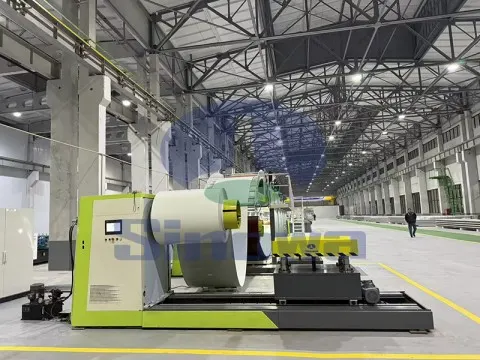
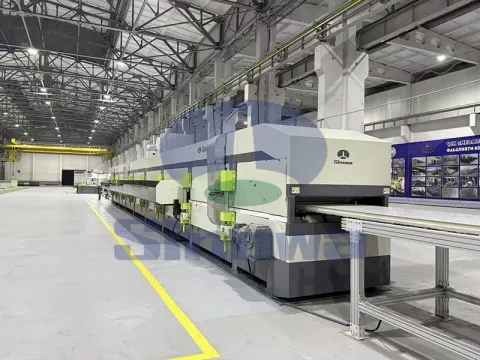
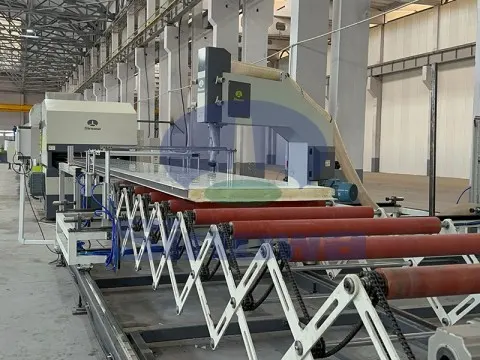
Gallery of PIR Sandwich Panel Production Line
Tags: pir sandwich panel production line, pir sandwich panel production line manufacturer, pir sandwich panel production line supplier, china pir sandwich panel production line, pir sandwich panel production line for sale
-

A reliable PU sandwich panel production line serves as the core equipment for manufacturing high-performance building insulation panels. This professional PU sandwich panel line features automated feeding, foaming and molding processes to ensure consistent panel thickness and structural stability. The well-designed polyurethane sandwich panel production line effectively improves production efficiency while reducing material waste in daily operation. Each calibrated polyurethane sandwich panel line can adapt to different panel sizes to meet diverse construction needs. With precise temperature and pressure control, the advanced continuous PU sandwich panel line produces panels with excellent thermal insulation and weather resistance. Meanwhile, the optimized PIR sandwich panel production line upgrades the foaming formula to enhance fire resistance performance. The high-efficiency PIR sandwich panel line maintains stable operation during long-term mass production, delivering durable and high-quality sandwich panels for various architectural and industrial applications.
-

The phenolic panel production line realizes automated and continuous manufacturing of high-performance thermal insulation panels through streamlined and coordinated processing procedures.
-

Modern insulation panel manufacturing relies on professional automated equipment to ensure stable product quality and high production efficiency. The rock wool sandwich panel production line features precise material lamination and forming processes to produce rigid, heat-insulating building panels. Meanwhile, the mineral wool sandwich panel production line adopts optimized assembly procedures to fabricate lightweight, soundproof panels widely used in architectural enclosure and thermal preservation projects.