PU Composite Sandwich Panel Line
Publication Date: Oct 15, 2026
PU Composite Sandwich Panel Line. Fully automatic continuous production line for PU/PIR insulated sandwich panels. Make color steel wall & roof panels for workshop, cold room and warehouse. Stable running, high speed, customizable turnkey solution.
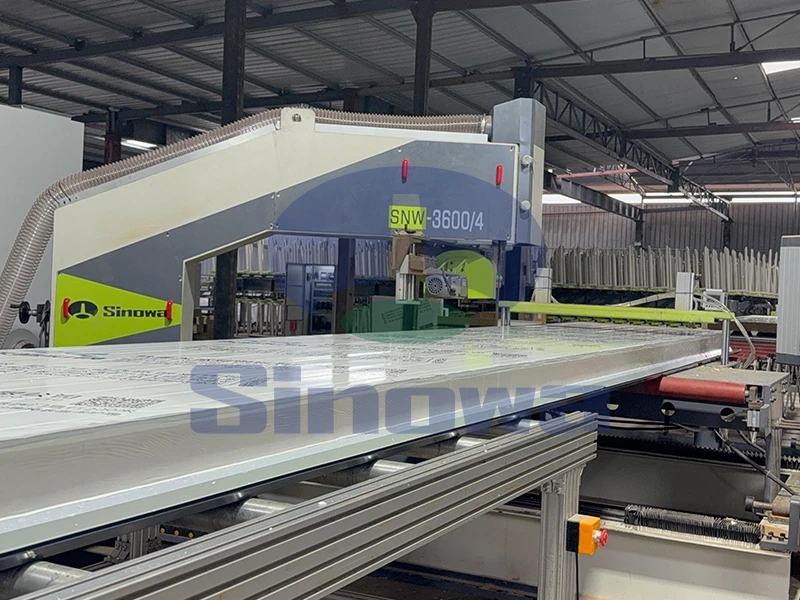
The PU composite sandwich panel line represents a highly integrated automated manufacturing system built for continuous production of composite panels that combine rigid polyurethane foam cores with various facing materials. Unlike batch-based manufacturing equipment, this line operates as a connected sequence of functional modules, where raw materials move steadily from one processing stage to the next without frequent stops or manual handling interruptions. The basic concept of sandwich composite design relies on two outer skins carrying tensile and compressive loads while the low-density PU foam core transfers shear stress between the facings and delivers thermal insulation. This production system merges mechanical forming, precise chemical dosing, thermal control, lamination, and cutting technology into a unified workflow, requiring careful synchronization of speed, temperature, pressure, and material feed rates across every station. Operators monitor overall status through centralized control interfaces, adjusting parameters to match different panel thicknesses, surface profiles, and core formulations. The system is engineered to reduce human intervention in core manufacturing steps, minimizing inconsistency that can arise from manual mixing, positioning, or assembly. Even small deviations in raw material temperature, mixing ratio, or line speed can create visible defects such as voids, uneven foam density, poor bonding between foam and facings, or surface warping. Therefore, every section of the line is calibrated to maintain stable operating conditions throughout long production runs. As demand rises for lightweight insulated building components, this continuous line configuration has become a primary technical solution for large-volume composite panel fabrication, balancing throughput capability with reliable product uniformity across extended operating cycles. The design philosophy prioritizes process repeatability, so panels produced at the start, middle, and end of a production batch retain matching physical characteristics, which simplifies downstream handling and application in many construction and industrial enclosure projects.
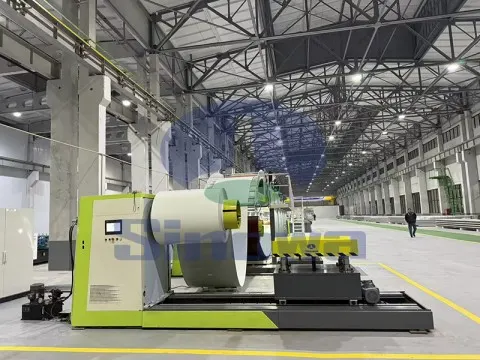
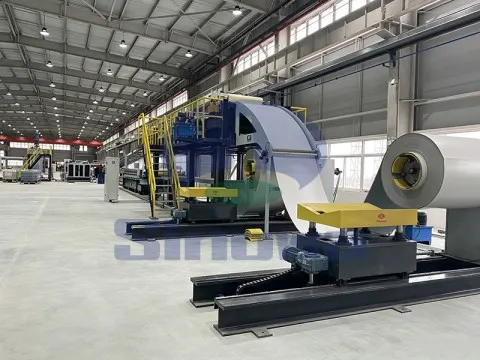
The opening stage of the PU composite sandwich panel line centers on unwinding and pretreatment of the facing materials, which form the outer skins of finished composite panels. Rolls of facing material are mounted on unwinding racks, with tension control mechanisms to deliver flat, wrinkle-free sheets into the subsequent forming station. Tension management is critical here; excessive pulling force stretches the material, while insufficient tension causes sagging and misalignment, both of which compromise the final panel geometry. After unwinding, the surface passes through cleaning and protective film application units to remove surface contaminants and attach peelable protective layers that prevent scratches during manufacturing, transport, and installation. The material then enters roll forming equipment, where sequential sets of shaped rollers gradually bend the flat sheet into designed profiles, including ribbed, trapezoidal, or flat configurations suited for wall and roof assemblies. Each roller station makes incremental deformations to avoid cracking or permanent damage to the facing material. A preheating section follows roll forming, raising the surface temperature of both upper and lower facings to prepare for foam injection. Controlled heating improves adhesion between the PU foam and facings by reducing thermal shock when the reactive chemical mixture contacts the surface. This pretreatment phase also includes alignment guides that keep upper and lower facings centered and matched as they travel forward, ensuring the foam core forms evenly between the two layers. All movements are electronically synchronized with downstream stations, so changes in line speed automatically adjust unwinding, film feeding, and forming speeds to maintain consistent panel dimensions. This upstream material preparation establishes the foundation for good composite quality, and minor misalignment or surface defects introduced at this point will persist through all later manufacturing steps and appear in finished panels.
At the heart of the PU composite sandwich panel line sits the high-pressure foaming and mixing station, where liquid polyurethane raw materials are combined and dispensed between the moving upper and lower facings. Two primary liquid components are stored in insulated, temperature-regulated tanks, with circulation loops that keep viscosity stable before delivery to the mixing head. Precise metering pumps deliver each component at accurately controlled volumetric ratios, and the streams collide at high velocity inside the mixing chamber to create a homogeneous blend without air entrapment. Immediately after mixing, the reactive liquid is poured or sprayed onto the lower facing material, and the chemical reaction begins to trigger expansion and cross-linking. Timing is essential; the mixture must flow evenly across the width of the panel before gelation starts, so that foam fills the entire cavity without leaving empty pockets or dense streaks. The position of the mixing head can shift horizontally to distribute foam uniformly, adapting to different panel widths and adjusting for variations in flow behavior. Operators modify pressure, temperature, and component ratios to alter foam cell structure, density, and curing speed according to target panel specifications. If mixing is incomplete or dosing ratios drift, the resulting foam will have inconsistent cellular structure, leading to weakened thermal performance and reduced bonding strength. The foaming process is sensitive to ambient temperature and humidity, so the area surrounding the mixing station is often isolated to stabilize environmental conditions. This chemical processing stage defines the core material properties of the sandwich panel, and the whole line is built around the need to capture this reactive expansion process within a controlled gap before the polymer fully cures and hardens into rigid foam.
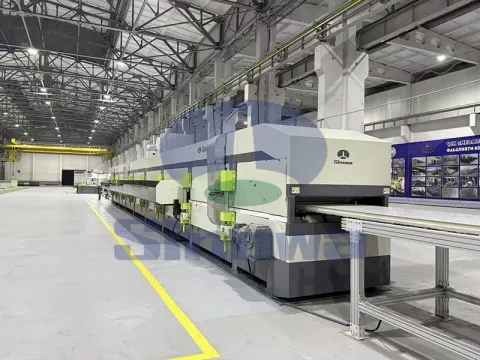
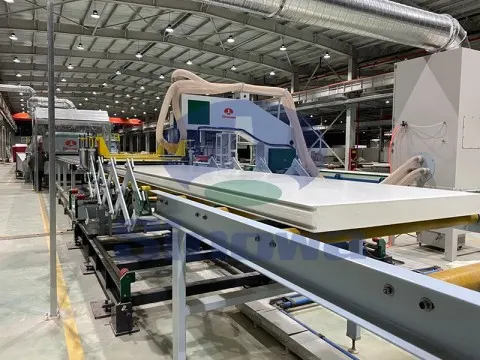
Once the PU mixture is applied between the two facings, the material assembly enters the double-belt laminating and curing tunnel, which is the key forming zone of the PU composite sandwich panel line. Two endless steel belts move synchronously with the incoming facings, clamping the composite assembly between them and maintaining a fixed, adjustable gap that determines final panel thickness. The belts apply uniform pressure across the full width and length of the panel while the PU foam expands and hardens, restraining overexpansion and ensuring flat, parallel surfaces. Heating elements embedded within the tunnel walls and belt structure maintain a steady thermal environment to support the chemical curing reaction. Temperature distribution must remain even across the tunnel; hot spots can accelerate curing locally and create internal stress, while cold zones slow reaction and cause incomplete foam hardening. As the composite travels through the tunnel, the liquid foam rises to fill the space between facings, bonds firmly to both surfaces, and develops its rigid cellular structure. The length of the curing tunnel is matched to line speed, so the material spends sufficient residence time inside to reach a stable semi-solid state before exiting. During this phase, the composite cannot be disturbed, and any fluctuation in belt speed or clamping pressure distorts panel geometry and damages the internal foam structure. The double-belt system prevents surface rippling and thickness variation that frequently occur in less constrained molding setups. By the time the panel exits the laminating tunnel, the PU core has achieved enough structural strength to retain its shape and resist deformation in subsequent cutting and handling operations.
After leaving the continuous curing tunnel, the semi-finished PU composite sandwich panel moves to the cooling section, which stabilizes internal temperature and reduces residual stress within the composite structure. The panel still carries retained heat from the exothermic foaming reaction and tunnel heating, and rapid, uneven cooling would introduce thermal stress that may lead to warping, delamination, or subtle dimensional drift over time. The cooling zone uses controlled air circulation to lower panel temperature gradually, allowing both the outer facings and foam core to contract at compatible rates. Sensors distributed along the cooling path track surface and core temperature, adjusting airflow volume and distribution to match production speed and panel thickness. Thicker panels require longer cooling residence because heat trapped deep inside the foam core dissipates slowly, while thinner profiles reach stable temperature more quickly. This stage also helps finalize the mechanical bonding between foam and facings, as residual chemical reactions finish and internal stresses settle. While the panel is conveyed through cooling, inspection systems scan the surface for visual defects such as bubbles, separation lines, surface indentations, or misaligned edges. Any detected quality issues can be flagged for segregation after cutting, preventing nonconforming panels from entering finished stock. Cooling is not merely a finishing touch; inadequate thermal stabilization can cause panels to change shape after stacking, creating difficulties during later cutting, packaging and installation. The cooling segment transitions the composite from a reactive, thermally active state into a dimensionally stable solid product ready for fixed-length cutting.
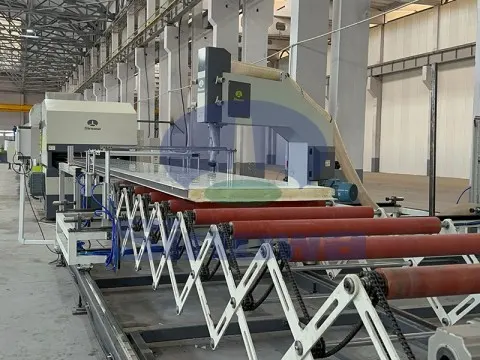
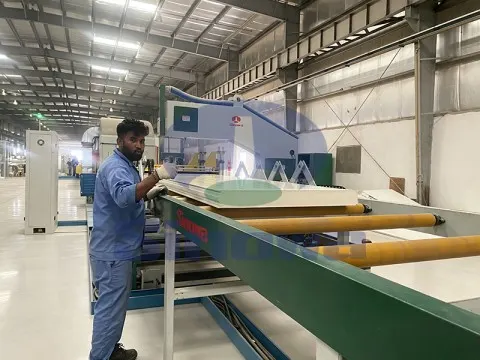
The continuous PU composite sandwich panel line incorporates a flying cutting unit that trims the endless continuous composite strip into preset finished panel lengths without stopping the main production flow. Unlike stationary saws that require the material to halt, flying cutters travel forward at the same speed as the moving panel during the cut cycle, then return rapidly to the starting position to await the next cutting trigger. This synchronized motion preserves uninterrupted line operation and avoids throughput loss from repeated start-stop cycles. Cutting tools are selected to suit facing material types, with blade geometry optimized to deliver clean edges without tearing, bending, or crushing the PU foam core. Edge trimming devices remove excess material from both sides of the panel to maintain consistent width and straight edges, which improves fit when panels are joined together during installation. Before each cut, the system reads length measurement data from encoder rollers tracking panel travel distance, triggering the cutting action once the target dimension is reached. Operators can input different length settings through the control interface to produce multiple panel sizes within the same production run. The cutting process generates small amounts of foam and facing debris, and an integrated extraction system removes waste particles to prevent buildup on moving components and keep the work area clean. Edge quality is carefully monitored because rough cuts or crushed foam at panel ends can create gaps when panels are assembled, undermining insulation performance. This on-the-fly cutting system is essential to the efficiency of continuous lines, enabling the manufacturing of finished-size panels while maintaining the steady material flow that ensures consistent foam curing and composite bonding.
Immediately after cutting, finished PU composite sandwich panels transfer to the post-processing and automatic stacking section of the production line. Conveyors route individual panels toward stacking stations, where positioning mechanisms square each panel and align edges neatly before stacking. Vacuum or mechanical handling devices pick panels from the conveyor and place them onto stacks, avoiding direct manual lifting that can cause surface damage or misalignment. Stack height is controlled to prevent excessive compression on lower panels, which might deform the foam core or leave permanent indentations on facing surfaces. As panels accumulate into stacks, marking systems apply identifying information on panel surfaces, recording production batch details, dimensions, and material configuration for traceability. The protective film applied in the early unwinding stage remains on the surface through stacking, shielding the facings from abrasion as stacks are moved. After stacking completes, the panel bundles can proceed to semi-automatic wrapping units that secure the stack with stretch film for stable transport. This downstream handling stage reduces labor requirements and lowers the risk of human-caused damage, which becomes more significant when dealing with large, lightweight composite panels. Automated stacking also improves consistency in bundle arrangement, making loading onto transport vehicles simpler and safer. While stacking appears to be a simple material handling task, poor handling at this point can undo gains achieved in earlier manufacturing stages, causing surface scratches, edge chipping, or panel bending. The design of this part of the line focuses on gentle, controlled movement to preserve the surface integrity and dimensional accuracy of fully cured composite panels.
The control and automation architecture forms the nervous system of the PU composite sandwich panel line, coordinating every mechanical, thermal, and chemical operation across all interconnected stations. A centralized control platform communicates with distributed drives, sensors, metering pumps, heating modules, and safety interlocks using industrial communication protocols. Real-time sensor data feeds back to the main controller, continuously adjusting parameters such as line speed, raw material dosing rates, tunnel temperature, belt tension, and cutter timing. Human-machine interfaces present live operational data, trend curves, and warning notifications, allowing operators to observe the full process and adjust recipes without entering high-risk production zones. Recipe storage functions save parameter sets for different panel types, so operators can recall proven configurations when switching between product variants, reducing setup time and trial production waste. Built-in safety logic stops or slows the line automatically when abnormal conditions appear, including loss of material tension, temperature out-of-range values, pump pressure faults, or access door openings. Diagnostic functions track component performance over time, highlighting signs of wear such as declining pump accuracy, motor current drift, or inconsistent heating output, which supports planned maintenance and reduces unexpected downtime. The control system also records production metrics including operating time, panel quantity, and alarm events, providing data to evaluate line utilization and identify recurring quality issues. While advanced automation reduces manual workload, skilled operators remain necessary to interpret system feedback, validate product quality samples, and respond appropriately to unusual operating events. Reliable control integration is what enables the entire PU composite sandwich panel line to run as one coordinated system rather than a collection of independent machines.
Maintenance and operational sustainability are key considerations built into the engineering design of the PU composite sandwich panel line, supporting long-term stable performance while minimizing unnecessary resource consumption. Regular maintenance tasks are structured around critical wear components, including mixing head seals, metering pump check valves, roller bearings, conveyor belts, cutting blades, and temperature sensors. These parts experience continuous mechanical friction, chemical exposure, or thermal cycling, and gradual degradation will affect product quality if not replaced on schedule. Access panels and quick-release assemblies are designed into the machine frames to simplify inspection, cleaning, and component replacement without requiring full disassembly of large sections. Cleaning routines target residual PU buildup, especially around the mixing head, spill collection areas, and edge trimming zones, since cured polyurethane deposits can obstruct moving parts and interfere with material flow. Lubrication points are centralized or fitted with automatic lubrication systems to maintain low friction on rotating and sliding components. Energy efficiency measures include insulated tunnel housings to reduce heat loss, variable-speed drives that adjust power consumption according to actual load, and heat recovery options that reuse waste thermal output where practical. Material waste reduction is another design priority; precise metering reduces excess chemical consumption, and edge trims are collected for separate handling rather than discarded directly. Proper maintenance prevents unplanned shutdowns, which carry high costs because restarting the continuous line requires re-calibration of temperature, ratios, and speed, often generating a quantity of transitional panels that do not meet quality requirements. A well-managed maintenance schedule extends equipment service life and keeps the production line operating within stable performance windows year after year.
The application potential and evolving technical direction of the PU composite sandwich panel line continue to expand as industries seek more efficient insulated composite materials for modern construction and industrial projects. Panels produced on this line combine low weight with high thermal resistance, rigid structural performance, and convenient installation features, making them suitable for many enclosure applications where thermal control and fast assembly are priorities. Beyond standard wall and roof assemblies, these composite panels are used in specialized enclosures that require controlled internal temperature, thanks to the closed-cell structure of PU foam limiting heat transfer. The flexibility of the line allows switching among different facing materials and panel profiles, so the same production platform can serve multiple market segments without complete equipment replacement. Ongoing technical improvements focus on refining mixing precision, optimizing thermal management within the curing tunnel, enhancing automation in quality inspection, and reducing resource consumption during operation. Advanced sensing technologies are being integrated to detect internal defects such as poor bonding or hidden voids as panels travel along the line, enabling real-time quality assessment rather than relying only on post-production sampling. Modular line configurations also allow incremental expansion, where additional stations can be added later to broaden production capacity or support new panel designs. Even with these advances, the core principle remains unchanged: to create a continuous manufacturing process that bonds PU foam core securely between two facings while maintaining consistent dimensions and material properties. As composite material adoption continues to grow, the PU composite sandwich panel line will remain a foundational industrial system, balancing high-volume output with controlled composite quality to meet diverse market demands for lightweight insulated building components.
Gallery of PU Composite Sandwich Panel Line
Tags: pu composite sandwich panel line, pu composite sandwich panel line manufacturer, pu composite sandwich panel line supplier, china pu composite sandwich panel line, pu composite sandwich panel line for sale
https://www.sandwichpanelmanufacturingline.com/blog/pu-composite-sandwich-panel-line.html
-
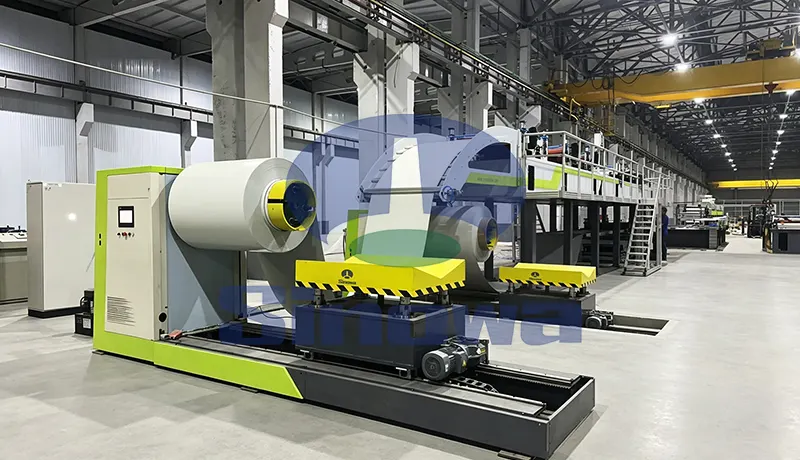
A reliable PU sandwich panel production line serves as the core equipment for manufacturing high-performance building insulation panels. This professional PU sandwich panel line features automated feeding, foaming and molding processes to ensure consistent panel thickness and structural stability. The well-designed polyurethane sandwich panel production line effectively improves production efficiency while reducing material waste in daily operation. Each calibrated polyurethane sandwich panel line can adapt to different panel sizes to meet diverse construction needs. With precise temperature and pressure control, the advanced continuous PU sandwich panel line produces panels with excellent thermal insulation and weather resistance. Meanwhile, the optimized PIR sandwich panel production line upgrades the foaming formula to enhance fire resistance performance. The high-efficiency PIR sandwich panel line maintains stable operation during long-term mass production, delivering durable and high-quality sandwich panels for various architectural and industrial applications.
-
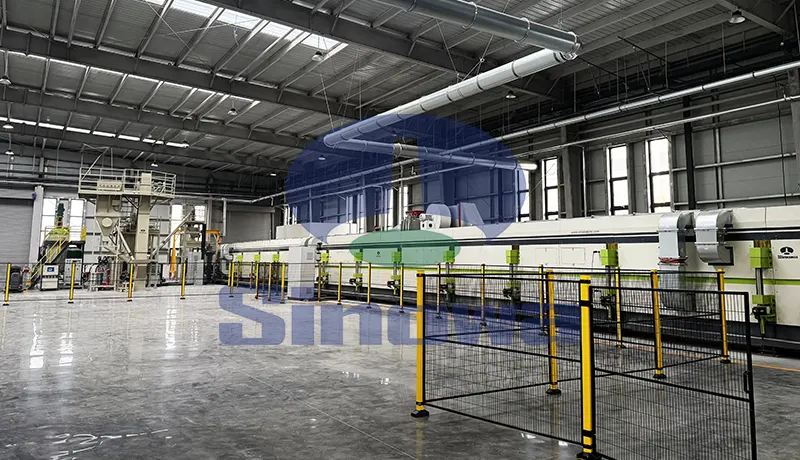
The phenolic panel production line realizes automated and continuous manufacturing of high-performance thermal insulation panels through streamlined and coordinated processing procedures.
-
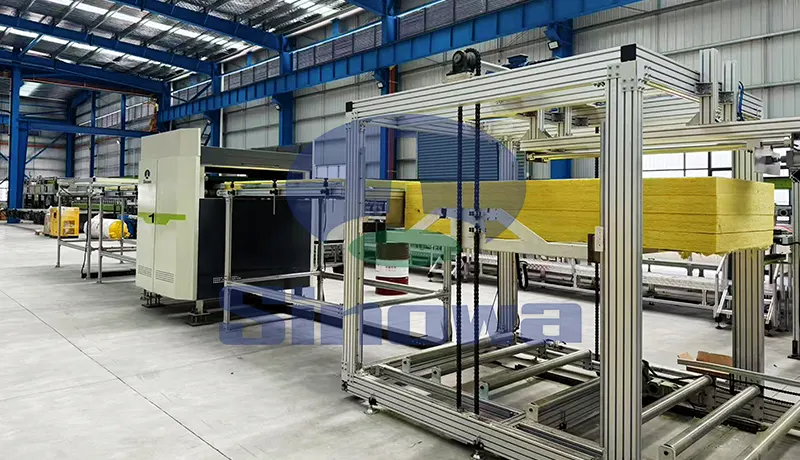
Modern insulation panel manufacturing relies on professional automated equipment to ensure stable product quality and high production efficiency. The rock wool sandwich panel production line features precise material lamination and forming processes to produce rigid, heat-insulating building panels. Meanwhile, the mineral wool sandwich panel production line adopts optimized assembly procedures to fabricate lightweight, soundproof panels widely used in architectural enclosure and thermal preservation projects.