Foam Insulation Board Production Line
Publication Date: Oct 9, 2026
Fully automatic foam insulation board production line with stable output, high precision and energy-saving design. Suitable for PIR, PF, Rockwool and PU thermal insulation board manufacturing for construction and industrial insulation projects.
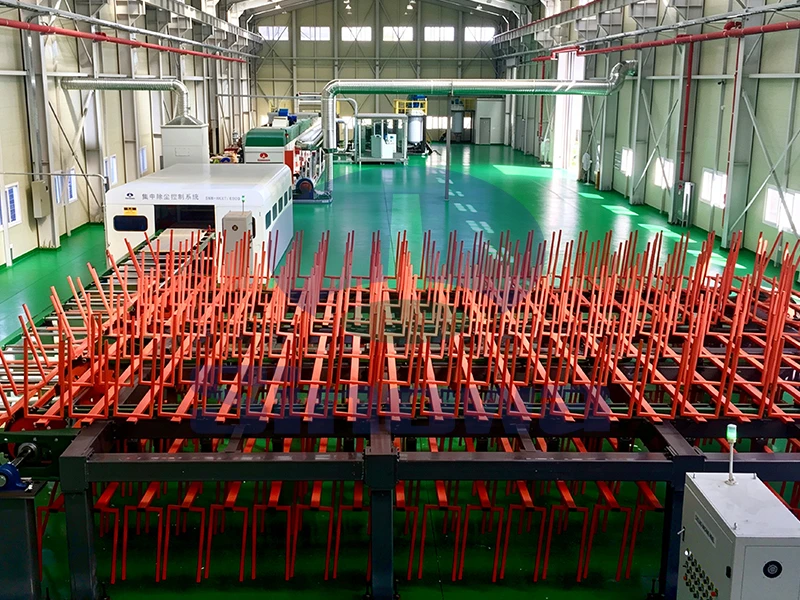
Modern foam insulation board production lines are versatile automated manufacturing systems designed to produce diverse thermal and fire insulation panels for architectural and industrial use. These integrated lines support the processing of six mainstream insulation core materials, covering polyurethane, phenolic, PIR, rock wool, mineral wool and glass wool, each with tailored production processes to match unique material characteristics. The entire production workflow integrates automatic material feeding, mixing, laminating, pressing, shaping and fixed-length cutting, realizing continuous and efficient manufacturing of finished insulation boards. All produced panels are highly adaptable, serving as core materials for building roof panels, exterior and interior wall panels, professional cold storage panels, and also applicable to industrial enclosure insulation and prefabricated building structures. The modular design of these production lines allows flexible parameter adjustment to produce boards with different thicknesses, densities and insulation performances, meeting the differentiated usage demands of various construction scenarios and industrial insulation projects.
Polyurethane insulation board production lines are the most widely used automated equipment in the insulation material manufacturing industry, featuring high integration and stable operation. The line adopts precise chemical foaming and curing technology, mixing raw materials in a sealed and controlled environment to form uniform closed-cell polyurethane foam cores. The closed-cell structure endows the finished boards with ultra-low thermal conductivity, excellent heat preservation effect and good waterproof and moisture-proof performance. During production, the equipment can compound metal or non-metal surface layers on both sides of the polyurethane core material through automatic laminating processes, forming integrated sandwich panels with strong structural stability. Finished polyurethane insulation boards are predominantly applied in building roof and wall insulation systems, effectively reducing building energy consumption by blocking external heat transfer. Meanwhile, their superior low-temperature resistance makes them ideal for manufacturing cold storage panels, maintaining stable internal temperature in refrigeration and constant-temperature storage spaces. The production line supports continuous batch production with high finished product flatness and bonding strength, ensuring long-term service stability in various building and industrial environments.
Phenolic insulation board production lines are professionally optimized for the unique foaming and molding properties of phenolic resin materials, focusing on producing high-performance fire-resistant and heat-insulating boards. Different from ordinary foam production equipment, this line is equipped with special high-temperature curing and anti-shrinkage processing units to solve the problems of easy deformation and brittle texture of phenolic foam during molding. The production process strictly controls the foaming ratio and curing time to form uniform fine-hole phenolic foam structures, which bring outstanding fire resistance, high temperature resistance and low smoke density to the finished products. Phenolic insulation boards produced by the line are widely used in building exterior wall panels and roof insulation projects, especially suitable for public buildings and industrial plants with high fire safety requirements. In addition, the boards can be processed into special insulation panels for cold storage auxiliary structures and ventilation pipeline insulation, balancing thermal insulation performance and fire protection safety. The automated configuration of the line reduces manual intervention, ensuring consistent product quality and stable physical properties of each batch of insulation boards.
PIR insulation board production lines are upgraded and optimized based on polyurethane foam production technology, targeting higher-standard thermal insulation and fireproof demands. PIR material is a modified polyisocyanurate foam derived from polyurethane, and the production line adjusts raw material ratio, foaming temperature and curing procedures accordingly to adapt to the chemical characteristics of PIR. The equipment adopts precise temperature control systems in the foaming and molding stage to promote full cross-linking reaction of raw materials, forming foam cores with tighter molecular structure and better thermal stability. Compared with ordinary polyurethane boards, finished PIR insulation boards have significantly improved high-temperature resistance, fire retardancy and structural durability. These boards are widely manufactured into high-grade building wall panels and roof panels, applicable to high-rise buildings, industrial workshops and large-span steel structure buildings. They are also the preferred core material for high-end cold storage panels, capable of maintaining excellent insulation effect in extreme temperature environments and reducing cold loss of cold storage facilities throughout the year. The modular production structure enables the line to switch flexibly between conventional and high-strength PIR board production modes.
Rock wool insulation board production lines are dedicated automated equipment for processing inorganic rock wool fiber materials, focusing on fire prevention, sound insulation and thermal insulation integrated board production. The production process includes fiber sorting, uniform paving, high-pressure pressing, heat setting and fixed-size cutting, turning loose rock wool fibers into flat, dense and structurally stable insulation boards. The line is equipped with professional fiber dispersion devices to avoid fiber agglomeration, ensuring uniform density and consistent performance of finished boards. Rock wool insulation boards have excellent non-combustible performance and sound absorption effect, making them widely used in fireproof partition wall panels, building exterior wall insulation panels and roof fire insulation layers. In industrial construction, these boards are often used for fire isolation and thermal insulation of factory walls and roofs, while they also serve as auxiliary insulation panels for cold storage fire separation structures. The production line can adjust board density and thickness according to application needs, producing customized rock wool boards for different building fire protection and insulation scenarios.
Mineral wool insulation board production lines adopt mature inorganic fiber molding technology, specializing in manufacturing lightweight and multi-functional mineral wool insulation boards. Mineral wool is made from natural mineral raw materials through high-temperature melting and fiber forming, and the production line realizes automated continuous production through raw material melting, fiber collection, net forming, pressurized shaping and surface finishing processes. The finished mineral wool boards feature light weight, good thermal insulation, outstanding sound absorption and stable chemical properties, with strong adaptability to various construction environments. In building applications, mineral wool boards are commonly processed into interior wall insulation panels, ceiling insulation boards and roof thermal insulation layers, effectively improving building indoor thermal comfort and reducing noise interference. In cold storage engineering, they are used for partition wall insulation and auxiliary thermal protection of cold storage spaces. Additionally, the boards are suitable for insulation and sound absorption of industrial equipment and factory enclosure structures, and the production line’s flexible parameter adjustment function meets the diversified production needs of civil and industrial construction fields.
Glass wool insulation board production lines are professional equipment for processing glass fiber cotton materials, focusing on producing ultra-light, high-elasticity thermal and acoustic insulation boards. The production workflow starts with high-temperature melting of glass raw materials into fine fibers, followed by automatic fiber paving, adhesive spraying, low-temperature curing and fixed-size cutting, forming soft and uniform glass wool insulation boards. The line is optimized for the fragile and flexible characteristics of glass wool fibers, adopting low-pressure molding technology to avoid fiber damage and ensure the integrity and elasticity of finished products. Glass wool boards have low thermal conductivity, excellent sound absorption performance and ultra-light weight, which are widely used in building wall and roof insulation, especially suitable for light steel structure buildings and prefabricated house insulation systems. They are also commonly used for cold storage pipeline insulation and indoor auxiliary insulation panels, reducing the overall load of building structures while ensuring insulation effects. The production line can produce glass wool boards of different elasticity and density to adapt to different installation and usage environments.
The differentiated process design of six types of insulation board production lines caters to the diverse performance requirements of different application scenarios. Organic foam lines including polyurethane, phenolic and PIR focus on ultra-high thermal insulation efficiency, lightweight structure and convenient installation, making their products more suitable for main body insulation of cold storage panels, building exterior walls and roofs. In contrast, inorganic fiber lines such as rock wool, mineral wool and glass wool prioritize fire resistance and sound insulation, compensating for the insufficient fire performance of organic foam boards. Each production line has independent parameter adjustment systems, which can adjust product thickness, density and surface treatment mode according to actual usage needs. This targeted production mode enables finished insulation boards to exert optimal performance in corresponding scenarios, whether it is low-temperature insulation of cold storage, energy-saving insulation of building envelopes, or fire and sound insulation of industrial buildings.
The integrated automation advantage of modern insulation board production lines greatly improves the manufacturing efficiency of thermal insulation building materials. All six types of production lines adopt continuous assembly line operation, realizing unmanned operation from raw material input to finished product output, which effectively reduces production errors caused by manual operation and improves product consistency. The unified modular equipment structure also facilitates equipment maintenance and function upgrading, realizing flexible switching between multiple product types. The produced insulation boards have stable structural performance and strong environmental adaptability, not only meeting the basic thermal insulation needs of civil buildings’ wall and roof systems, but also adapting to the special low-temperature and high-fire safety working environment of cold storage engineering, providing reliable material support for modern energy-saving building construction and industrial thermal insulation projects.
With the continuous upgrading of building energy-saving and environmental protection requirements, foam insulation board production lines are constantly optimized in process and function. The six mainstream production lines cover all mainstream insulation material types in the current market, forming a complete manufacturing system from organic high-efficiency insulation to inorganic fireproof insulation. Their diversified product applications fully cover building roof panels, wall panels, cold storage panels and other core usage scenarios, and can also expand to industrial equipment insulation, fire isolation and sound absorption engineering. The continuous innovation of production line technology further improves the thermal insulation, durability and environmental protection of finished boards, making these automated production systems core supporting equipment for the production of energy-saving and fireproof insulation materials in the construction industry.
Gallery of Foam Insulation Board Production Line
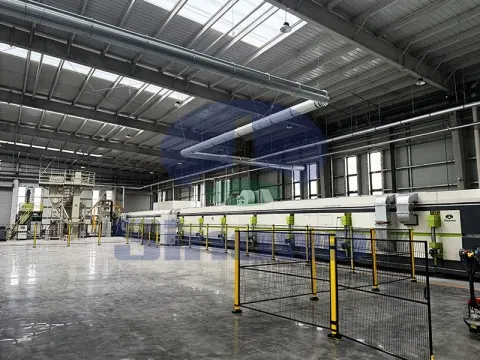
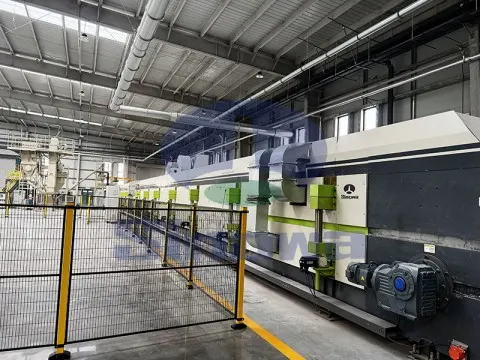
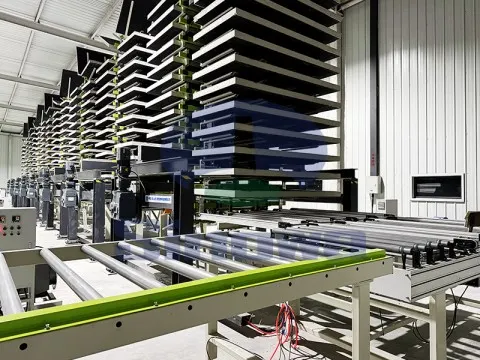
Tags: foam insulation board production line, foam insulation board production line manufacturer, foam insulation board production line supplier, china foam insulation board production line, foam insulation board production line for sale
-
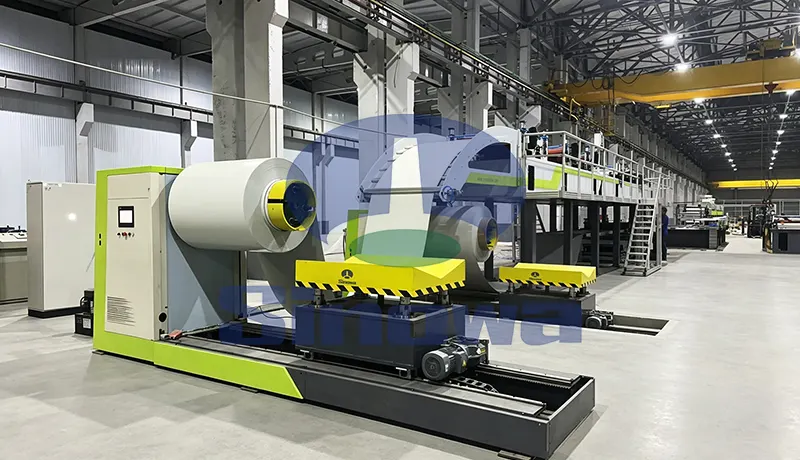
A reliable PU sandwich panel production line serves as the core equipment for manufacturing high-performance building insulation panels. This professional PU sandwich panel line features automated feeding, foaming and molding processes to ensure consistent panel thickness and structural stability. The well-designed polyurethane sandwich panel production line effectively improves production efficiency while reducing material waste in daily operation. Each calibrated polyurethane sandwich panel line can adapt to different panel sizes to meet diverse construction needs. With precise temperature and pressure control, the advanced continuous PU sandwich panel line produces panels with excellent thermal insulation and weather resistance. Meanwhile, the optimized PIR sandwich panel production line upgrades the foaming formula to enhance fire resistance performance. The high-efficiency PIR sandwich panel line maintains stable operation during long-term mass production, delivering durable and high-quality sandwich panels for various architectural and industrial applications.
-
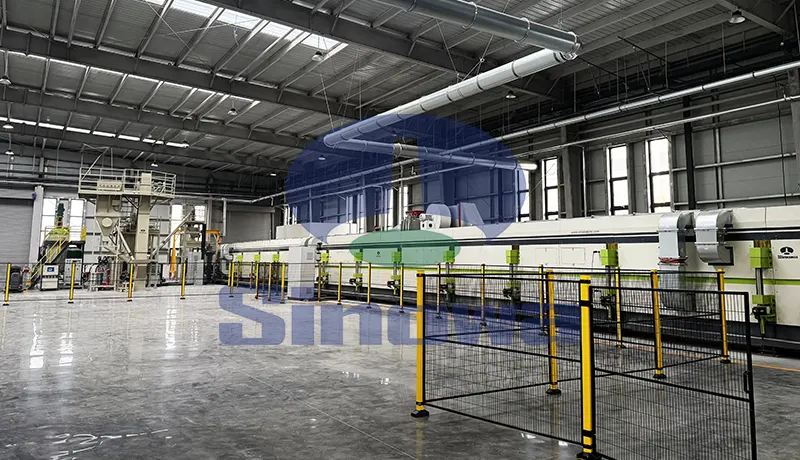
The phenolic panel production line realizes automated and continuous manufacturing of high-performance thermal insulation panels through streamlined and coordinated processing procedures.
-
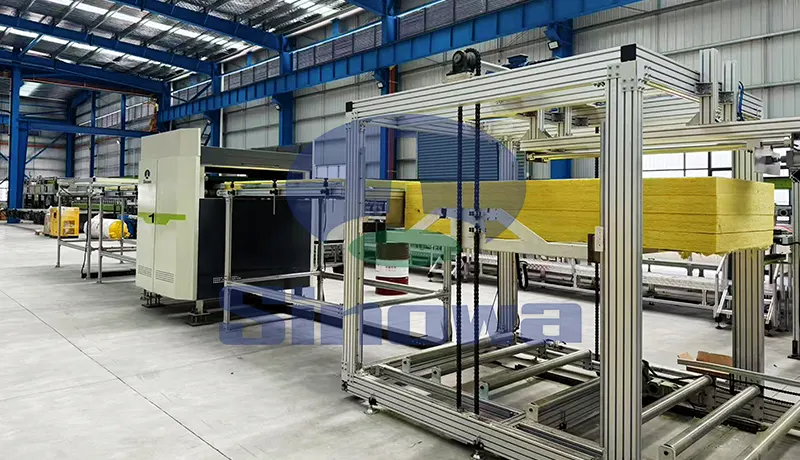
Modern insulation panel manufacturing relies on professional automated equipment to ensure stable product quality and high production efficiency. The rock wool sandwich panel production line features precise material lamination and forming processes to produce rigid, heat-insulating building panels. Meanwhile, the mineral wool sandwich panel production line adopts optimized assembly procedures to fabricate lightweight, soundproof panels widely used in architectural enclosure and thermal preservation projects.