How To Maintain The PU Foaming System Of The Continuous PU Sandwich Panel Line?
Publication Date: Oct 13, 2026
Ensure optimal performance of your continuous sandwich panel line with our essential guide to maintaining the PU foaming system, covering cleaning, temperature control, and component care.
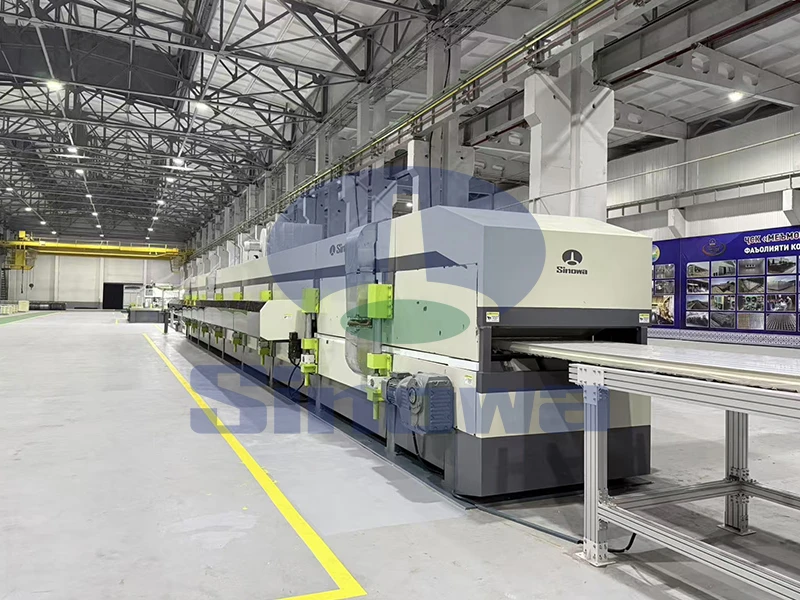
Maintaining the polyurethane foaming system in a continuous sandwich panel production line is crucial for ensuring consistent product quality, minimizing downtime, and extending the lifespan of your machinery. The foaming process involves complex chemical reactions and precise mechanical movements, making regular upkeep non-negotiable. The heart of this system is the high-pressure foaming machine, which meters and mixes the polyol and isocyanate components. To maintain this, operators must prioritize the cleanliness of the supply drums and the filtration system. Contaminants or moisture entering the chemical lines can ruin the foam structure and damage sensitive pumps. Therefore, checking and replacing filters regularly is a fundamental step in the maintenance routine.
Temperature control plays a pivotal role in the viscosity and reactivity of the chemical components. The heating or cooling units associated with the storage tanks and the high-pressure pump block must be inspected daily. If the temperature fluctuates outside the recommended range, the mixing ratio can be compromised, leading to poor foam density or curing issues. Technicians should verify that the circulation lines are free of leaks and that the heat transfer fluid is at the correct level to ensure stable thermal conditions throughout the production cycle.
The mixing head is arguably the most critical component requiring attention. It is responsible for the intimate mixing of the chemicals under high pressure. After every production run, or during automatic pause cycles, the mixing head must be purged effectively to prevent the chemicals from reacting and hardening inside the chamber. Mechanical cleaning of the nozzle and the piston seal is necessary to prevent blockages. A worn-out seal can lead to dripping or uneven spraying, which directly affects the surface quality of the sandwich panel.
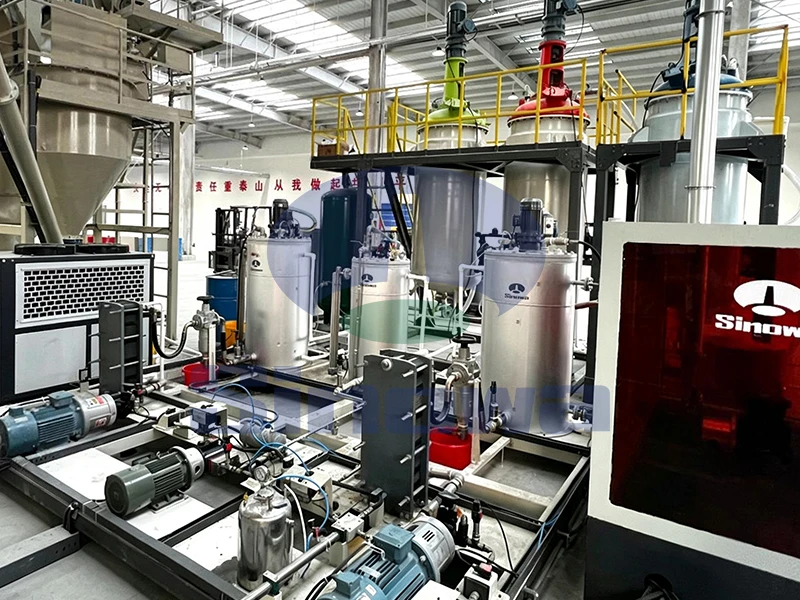
Hydraulic systems that drive the high-pressure pumps and the mixing head piston require consistent monitoring. Check hydraulic oil levels and look for signs of leaks in the hoses and connections. Dirty hydraulic oil can cause valves to stick and pumps to fail prematurely. Ensuring that the hydraulic pressure remains stable is essential for the accurate metering of the chemical components, which dictates the density and strength of the final panel.
Lubrication of moving parts is often overlooked but is vital for the longevity of the equipment. The carriage that moves the foaming bridge or the foaming unit along the line must move smoothly. Guide rails, chains, and gears should be lubricated according to the manufacturer's schedule to prevent wear and tear. Any friction or resistance in the movement of the foaming unit can lead to uneven foam distribution across the width of the panel.
The dosing pumps, whether they are axial or radial piston pumps, rely on precise tolerances. Regular inspection of the pump seals and pistons is required. If the dosing is inaccurate, the chemical ratio will be off, resulting in foam that is either too brittle or too soft. Calibration of the flow meters should be performed periodically to ensure that the computer control system is receiving accurate data regarding the volume of chemicals being dispensed.
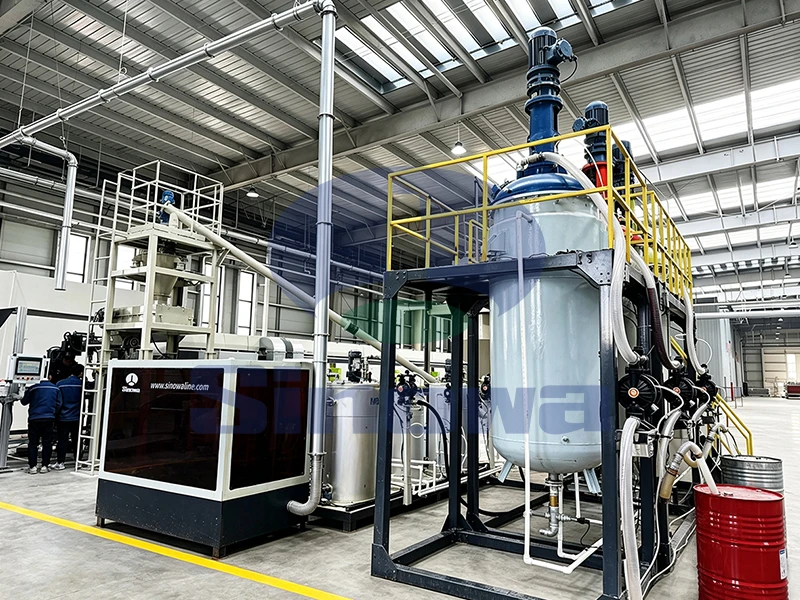
Compressed air quality is another factor that influences system performance. The pneumatic components, including the valves that control the injection of chemicals into the mixing head, rely on clean, dry air. Moisture in the air lines can cause pneumatic valves to corrode or freeze, leading to operational delays. Installing and maintaining high-quality air dryers and filters is a small investment that prevents significant operational headaches.
Safety systems integrated into the foaming unit must never be bypassed or ignored. Pressure relief valves and emergency stop mechanisms should be tested regularly. The high pressures involved in PU foaming present significant hazards, and ensuring that all safety guards are in place and functional protects both the operators and the machinery from catastrophic failure.
Finally, keeping a detailed log of all maintenance activities helps in predicting potential failures before they happen. By tracking when filters were changed, seals were replaced, or oil was topped up, maintenance teams can identify patterns and schedule preventative maintenance during planned downtimes rather than facing unexpected breakdowns during critical production runs.
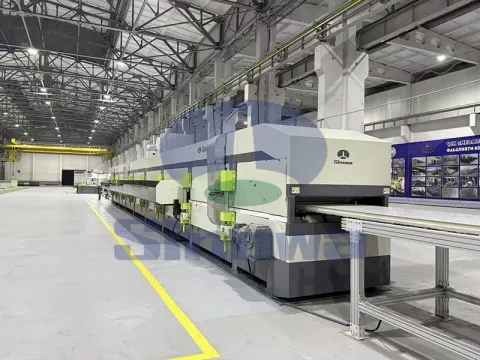
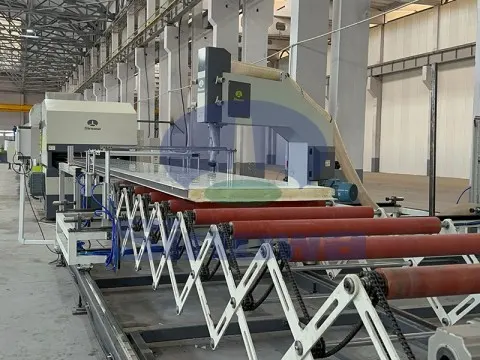
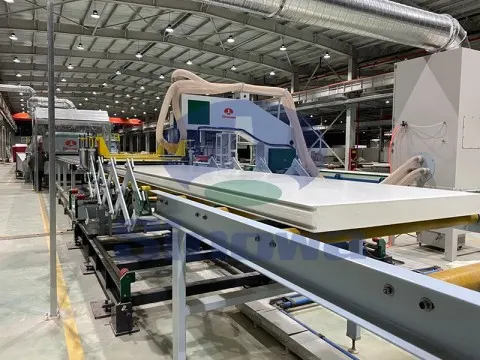
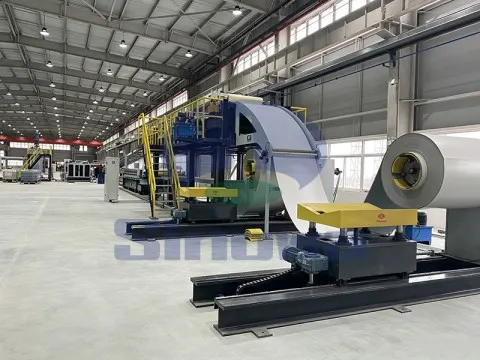
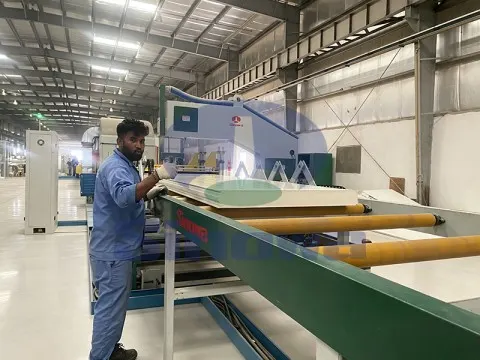
Gallery of Continuous PU Sandwich Panel Line
Tags: continuous pu sandwich panel line, continuous pu sandwich panel line manufacturer, continuous pu sandwich panel line supplier, china continuous pu sandwich panel line, continuous pu sandwich panel line for sale
-

A reliable PU sandwich panel production line serves as the core equipment for manufacturing high-performance building insulation panels. This professional PU sandwich panel line features automated feeding, foaming and molding processes to ensure consistent panel thickness and structural stability. The well-designed polyurethane sandwich panel production line effectively improves production efficiency while reducing material waste in daily operation. Each calibrated polyurethane sandwich panel line can adapt to different panel sizes to meet diverse construction needs. With precise temperature and pressure control, the advanced continuous PU sandwich panel line produces panels with excellent thermal insulation and weather resistance. Meanwhile, the optimized PIR sandwich panel production line upgrades the foaming formula to enhance fire resistance performance. The high-efficiency PIR sandwich panel line maintains stable operation during long-term mass production, delivering durable and high-quality sandwich panels for various architectural and industrial applications.
-

The phenolic panel production line realizes automated and continuous manufacturing of high-performance thermal insulation panels through streamlined and coordinated processing procedures.
-

Modern insulation panel manufacturing relies on professional automated equipment to ensure stable product quality and high production efficiency. The rock wool sandwich panel production line features precise material lamination and forming processes to produce rigid, heat-insulating building panels. Meanwhile, the mineral wool sandwich panel production line adopts optimized assembly procedures to fabricate lightweight, soundproof panels widely used in architectural enclosure and thermal preservation projects.