How To Clean The Mixing Unit Of The PUR Sandwich Panel Production Line?
Publication Date: Oct 8, 2026
Cleaning the mixing unit of a PUR sandwich panel production line is critical to eliminate residual polyurethane materials, avoid mixing blockages, and ensure stable product quality.
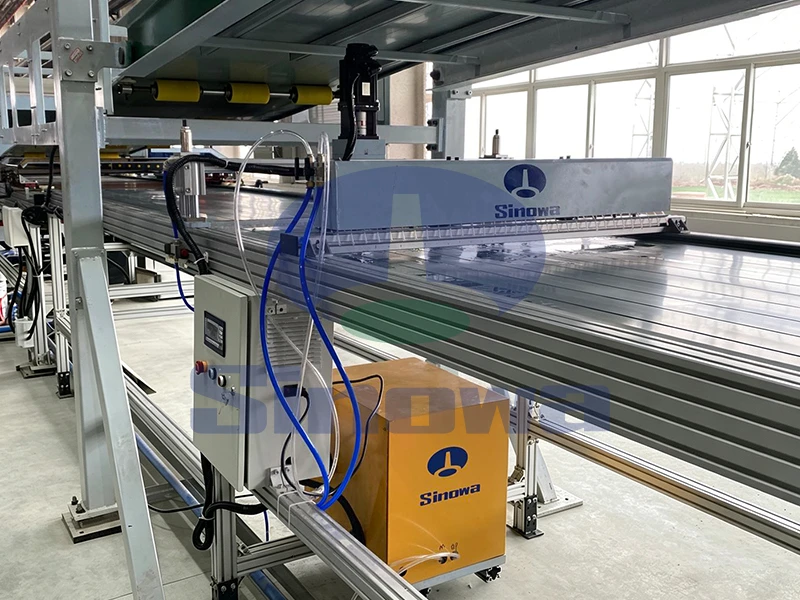
Before initiating any cleaning work on the PUR sandwich panel production line’s mixing unit, comprehensive safety and operational preparations are indispensable to eliminate potential risks and guarantee cleaning efficiency. First, it is mandatory to cut off all power supplies of the mixing unit, including the main power switch and auxiliary control circuits, to prevent accidental equipment startup during manual operation. Operators must wear complete protective equipment, including chemical-resistant gloves, safety goggles, and dust-proof masks, as residual PUR raw materials and cleaning agents may irritate the skin and respiratory tract. Meanwhile, the on-site working area should be sorted out to remove scattered production sundries and reserve sufficient operating space. It is also necessary to prepare dedicated cleaning tools and auxiliary supplies in advance, such as soft bristle brushes, lint-free cleaning cloths, industrial vacuum cleaners, and professional PUR residual cleaning solvents. Checking the integrity of all tools and ensuring the cleaning solvent is suitable for dissolving polyurethane residues can effectively avoid secondary damage to the mixing unit’s internal components and lay a solid foundation for subsequent formal cleaning work.
After finishing the pre-cleaning preparation work, the first formal cleaning step is to remove loose surface residues inside and outside the mixing unit. Long-term continuous operation of the PUR mixing unit will lead to the adhesion of unreacted polyol, isocyanate, and tiny foam residues on the inner wall of the mixing chamber, mixing blades, and external shell surfaces. These loose residues can be quickly removed with an industrial vacuum cleaner to prevent them from falling into the equipment gaps during subsequent deep cleaning. For residual particles attached to the surface but not firmly cured, soft bristle brushes can be used for gentle sweeping, avoiding hard metal tools that may scratch the precision polishing surface of the mixing components. The material feeding ports and discharge ports of the mixing unit are key residue accumulation areas, requiring repeated suction and wiping to clear residual raw material deposits. External surfaces of the equipment also need to be wiped with dry cleaning cloths to remove dust and floating debris, ensuring both internal and external basic cleanliness before deep solvent cleaning.
Deep dissolving and cleaning of cured polyurethane residues is the core step of maintaining the mixing unit’s working performance. After removing loose residues, many thin cured PUR films and sticky residual layers still adhere to the mixing chamber inner wall, blade surfaces, and internal pipeline gaps, which cannot be removed by physical sweeping alone. At this stage, a professional solvent specially formulated for polyurethane residue dissolution should be evenly sprayed or coated on all residual areas. It is essential to let the solvent fully infiltrate and act on the cured residues for an appropriate period, allowing the chemical components of the solvent to break the molecular structure of polyurethane and soften the hardened residual layers completely. During the infiltration process, avoid excessive solvent accumulation in the dead corners of the mixing unit to prevent unnecessary corrosion of sealing parts. After the residues are fully softened, use soft special brushes to scrub all contact surfaces repeatedly, focusing on the gaps between mixing blades, the bottom of the mixing chamber, and the inner walls of material transmission pipelines where residues are prone to hiding.
After scrubbing off softened cured residues, thorough rinsing of the mixing unit is required to eliminate residual solvent and residue mixtures. Select a clean, neutral flushing medium suitable for PUR production equipment to conduct circulating flushing on the entire mixing chamber, feeding pipelines, and discharge channels. The flushing operation needs to follow the material circulation direction of normal production to ensure that the mixed dirt and residual solvent in every equipment corner are completely washed out. For dead corners that are difficult to flush with circulating fluid, manual auxiliary wiping with clean lint-free cloths soaked in flushing medium is needed to ensure no residual dirt remains. The flushing process should be repeated multiple times, and the cleanliness of the flushing outflow should be observed in real time until the outflow is clear and free of suspended particles and solvent residues. This step can effectively prevent residual solvents from reacting with new PUR raw materials in subsequent production, which would affect the foaming effect and bonding performance of sandwich panel products.
Detachable components of the mixing unit require independent disassembly and refined cleaning to achieve a comprehensive cleaning effect. Key detachable parts include feeding hoppers, discharge valves, sealing rings, and auxiliary mixing baffles, which are prone to hidden residue accumulation due to their structural particularity. Before disassembly, mark the installation position of each component to ensure accurate reinstallation later and avoid assembly errors affecting equipment operation. After disassembly, first use a vacuum cleaner to remove surface floating residues, then soak the components in a diluted professional cleaning solution for a period of time to fully dissolve tiny cured residues in gaps and thread structures. Use fine soft brushes to clean tiny gaps and holes one by one, then rinse repeatedly with clean flushing medium and wipe dry with clean cloths. Special attention should be paid to the fragile sealing ring parts; excessive scrubbing is prohibited to prevent deformation or damage, which would affect the equipment’s sealing performance during operation.
Cleaning and maintenance of the mixing unit’s metering and auxiliary systems cannot be ignored, as these precision systems directly affect the proportioning accuracy of PUR raw materials. The precision metering pumps and flow guide pipelines connected to the mixing unit often have tiny residual raw material deposits, which may cause pipeline blockage and inaccurate raw material proportioning if accumulated for a long time. After the main mixing structure is cleaned, conduct targeted circulating cleaning on the metering pipeline system with a low-concentration cleaning solvent. Control the circulating flow rate reasonably to adapt to the precision pipeline structure and avoid excessive flow impact damaging internal precision parts. Meanwhile, clean the external sensing probes and detection components of the mixing unit with a dry soft cloth to remove dust and residual stains, ensuring the normal induction and accurate data feedback of equipment parameters. This refined cleaning of auxiliary systems ensures the overall coordination and stability of the mixing unit during subsequent production operations.
After completing all cleaning operations, systematic drying treatment of the mixing unit is essential to avoid moisture and solvent residue affecting production. Residual moisture and unvolatilized solvent inside the equipment will react with PUR raw materials during production, leading to defective foaming, product bubbles, and unstable bonding strength. First, open all access doors, feeding ports, and discharge ports of the mixing unit to form natural ventilation inside the equipment for preliminary air drying. For internal dead corners with poor natural ventilation, use a clean dry air blower for low-speed auxiliary blowing to accelerate the volatilization of residual solvent and moisture. It is strictly forbidden to use high-temperature heating equipment for rapid drying, as high temperature may damage the internal sealing parts and precision structural components of the mixing unit. After drying for an appropriate time, check all internal surfaces and pipelines to confirm no moisture, solvent residues, or residual dirt exist, ensuring the internal environment of the mixing unit meets production standards.
Reinstallation and functional inspection of disassembled components are key steps to ensure the mixing unit returns to normal working condition. Reinstall all cleaned and dried detachable components in strict accordance with the pre-marked positions and equipment assembly specifications. During reinstallation, check the tightness of each connection interface and the integrity of sealing parts to prevent loose installation or poor sealing. After assembly, conduct a no-load test run of the mixing unit. Start the equipment at low speed to operate the mixing blades and material transmission system, observe whether the equipment runs smoothly without abnormal noise, jitter, or stuck conditions. Meanwhile, check the opening and closing flexibility of feeding and discharge valves and the stability of the metering system operation. If abnormal operating conditions are found during the test run, stop the machine immediately for inspection and adjustment to eliminate hidden dangers, ensuring the equipment’s mechanical performance is intact before formal production resumption.
Daily regular cleaning and periodic deep cleaning formulation are crucial to maintain the long-term stable operation of the PUR mixing unit. Formulate a scientific daily cleaning plan to conduct simple residue removal and surface wiping of the mixing unit after each production shutdown, timely cleaning floating residues generated during daily production to avoid long-term accumulation and curing. Arrange thorough deep cleaning work regularly according to the equipment operating frequency and production intensity, covering all internal and external structures, precision pipelines, and detachable parts. Record each cleaning work in detail, including cleaning time, cleaning scope, and abnormal problems found, to form complete equipment maintenance files. Standardized regular cleaning can effectively reduce equipment failure rates, prolong the service life of the mixing unit, and maintain consistent production quality of PUR sandwich panels for a long time.
Standardized cleaning of the mixing unit plays a vital role in improving production efficiency and reducing production costs for PUR sandwich panel lines. A clean mixing unit ensures accurate proportioning and full mixing of polyol, isocyanate, and auxiliary additives, avoiding product quality problems such as uneven foaming and insufficient bonding force caused by residual impurities. Timely cleaning can also effectively prevent equipment pipeline blockage and component wear, reduce frequent equipment maintenance and replacement costs, and improve the continuous operation capacity of the production line. Adhering to standardized cleaning processes and daily maintenance specifications is an essential guarantee for stable, efficient, and low-consumption operation of PUR sandwich panel production equipment, bringing long-term stable benefits to industrial production.
Gallery of PUR Sandwich Panel Production Line
Tags: pur sandwich panel production line, pur sandwich panel production line manufacturer, pur sandwich panel production line supplier, china pur sandwich panel production line, pur sandwich panel production line for sale
-
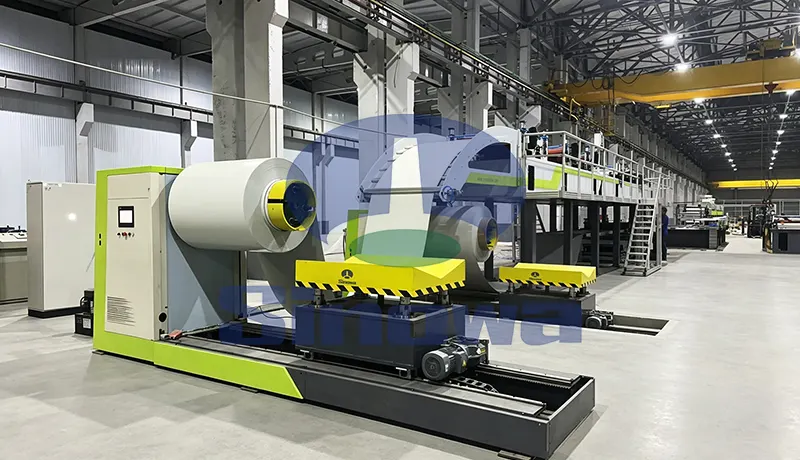
A reliable PU sandwich panel production line serves as the core equipment for manufacturing high-performance building insulation panels. This professional PU sandwich panel line features automated feeding, foaming and molding processes to ensure consistent panel thickness and structural stability. The well-designed polyurethane sandwich panel production line effectively improves production efficiency while reducing material waste in daily operation. Each calibrated polyurethane sandwich panel line can adapt to different panel sizes to meet diverse construction needs. With precise temperature and pressure control, the advanced continuous PU sandwich panel line produces panels with excellent thermal insulation and weather resistance. Meanwhile, the optimized PIR sandwich panel production line upgrades the foaming formula to enhance fire resistance performance. The high-efficiency PIR sandwich panel line maintains stable operation during long-term mass production, delivering durable and high-quality sandwich panels for various architectural and industrial applications.
-
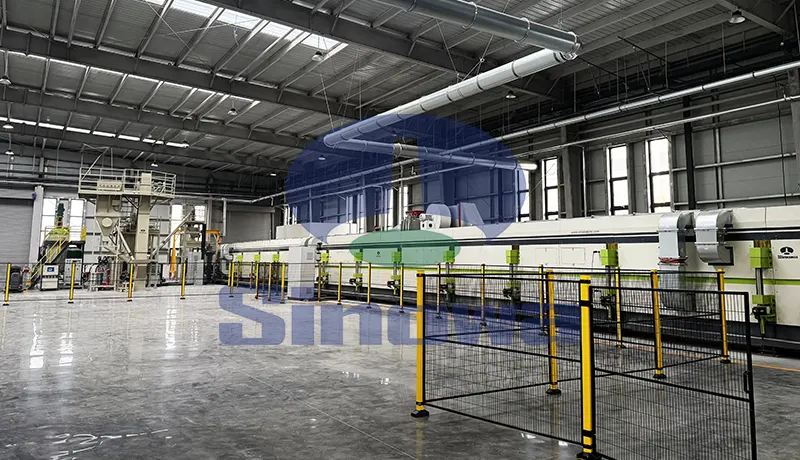
The phenolic panel production line realizes automated and continuous manufacturing of high-performance thermal insulation panels through streamlined and coordinated processing procedures.
-
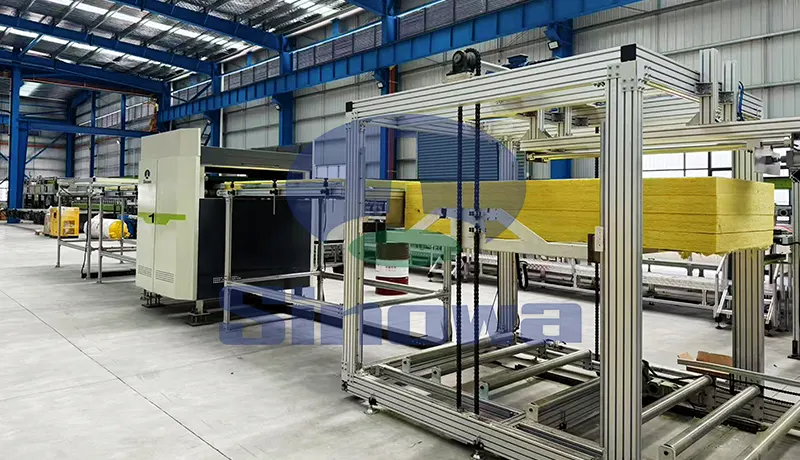
Modern insulation panel manufacturing relies on professional automated equipment to ensure stable product quality and high production efficiency. The rock wool sandwich panel production line features precise material lamination and forming processes to produce rigid, heat-insulating building panels. Meanwhile, the mineral wool sandwich panel production line adopts optimized assembly procedures to fabricate lightweight, soundproof panels widely used in architectural enclosure and thermal preservation projects.