Why Does The PU Sandwich Panel Production Line Experience Frequent Shutdowns?
Publication Date: Nov 17, 2026
Frequent shutdowns of PU sandwich panel production lines are mainly caused by mechanical jamming, worn transmission parts, electrical/PLC sensor faults, unstable raw material feeding, PU foaming parameter deviation and hydraulic/pneumatic failures. Learn troubleshooting tips to cut downtime and boost continuous production efficiency.
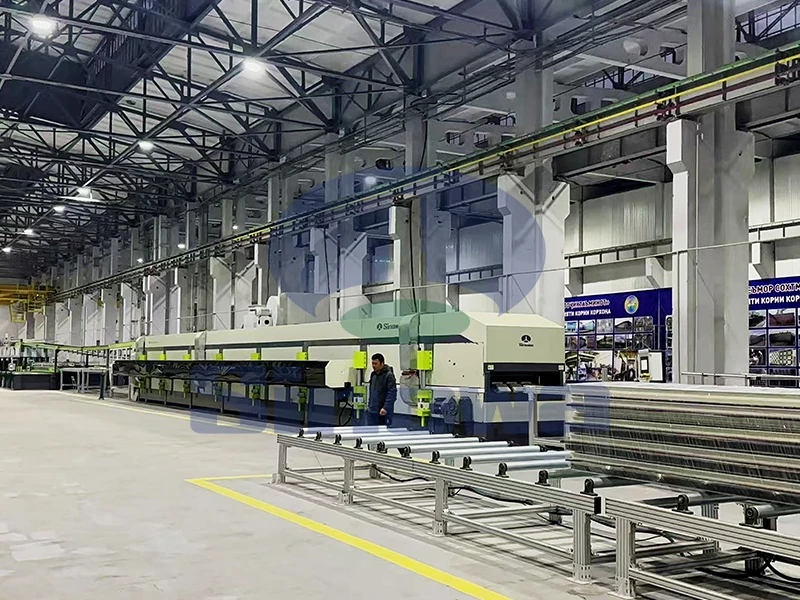
Frequent unexpected shutdowns on a PU sandwich panel production line are one of the most frustrating and costly challenges for production teams, as each unplanned stop breaks the continuity of the foaming, laminating and curing sequence that defines the whole manufacturing process. Many operators first attribute these interruptions to major mechanical failures, but in reality, a large share of shutdown events stem from small, cumulative deviations that are easy to overlook during daily routine checks. The core characteristic of PU sandwich panel production lies in the strict synchronization between raw material feeding, chemical mixing, continuous conveying and surface sheet alignment. If any single link falls out of pace with the others, the whole line has to halt automatically to avoid defective products or equipment damage. Even minor fluctuations can trigger protective stop signals, and repeated stops gradually reduce the stability of the whole system. Operators often rush to restart the equipment right after a shutdown happens without tracing the root cause, which means the same triggering condition remains and leads to another shutdown shortly afterward. This cycle creates a false impression that the equipment itself is unreliable, while the real issue lies in the lack of systematic monitoring of subtle changing conditions on the production line. Raw material state changes, gradual wear of moving parts, unstable power supply and inconsistent operation habits all act as hidden contributors that overlap and amplify each other. Without regular, targeted inspection of these subtle factors, shutdown frequency will keep rising and bring extra pressure on maintenance staff and production scheduling. Every unplanned stop also wastes partially reacted PU mixture, disturbs the uniformity of foam formation and increases the chance of uneven core layers on finished panels, which further adds hidden quality risks alongside production losses.
Raw material preparation and delivery systems are a major source of repeated shutdowns, especially for the two-component polyurethane materials that form the insulating core of sandwich panels. The chemical properties of PU raw materials are highly sensitive to temperature, viscosity and mixing ratio, and any deviation from the required working state will quickly disrupt the foaming reaction. If the storage tanks lack stable temperature control, the viscosity of polyol and isocyanate will shift as ambient temperature changes, making it harder for metering pumps to deliver materials at a constant flow rate. When flow values drift beyond the preset range, the control system will activate a shutdown command to prevent improper foaming that would produce unusable panels. Blockages inside delivery pipelines and filter elements are another common problem. Residual PU material can slowly cure and accumulate on the inner wall of pipes over time, narrowing the flow channel and creating unstable pressure inside the feeding circuit. Sudden pressure spikes or drops are detected by pressure sensors, which immediately cut off material supply and stop the whole line. In addition, air trapped inside the material pipelines creates intermittent flow surges. These air bubbles interfere with accurate metering, and the inconsistent material output confuses the mixing head. Many teams only clean filters when a complete blockage occurs, instead of setting up periodic cleaning schedules, so partial clogging recurs frequently and causes random shutdowns that are difficult to reproduce and diagnose. Variations in the feeding pressure between the two components break the precise proportion needed for normal foaming, and the resulting unstable reaction triggers safety interlocks repeatedly. Even slight differences in material activity between different batches can change reaction speed, and if the line parameters are not adjusted accordingly, the foaming process cannot match the conveying speed, forcing emergency stops.
The mixing head, which blends the two PU components before they are applied onto the facing sheets, serves as a critical bottleneck and a frequent trigger for production halts. This component works under continuous high pressure, and its internal mixing chamber, nozzles and sealing parts are exposed directly to reactive PU chemicals. After each production run, residual material left inside the mixing head will gradually harden if cleaning is incomplete. These hardened deposits chip off and block nozzle openings during the next production cycle, disrupting the uniform spray pattern of the mixed PU liquid. When the spray distribution becomes uneven, the line’s visual or thickness monitoring sensors detect abnormal material distribution and send a shutdown signal to avoid producing panels with missing foam areas or uneven core thickness. Seals and gaskets inside the mixing head also wear down steadily under high pressure and chemical corrosion. Once a seal begins to leak, mixed PU material seeps out and builds up on the exterior of the mixing assembly. This leaked material can interfere with nearby position sensors or jam movable parts of the spray mechanism, resulting in sudden stops. The rotating components inside the mixing chamber also suffer wear over long operating hours, which weakens the turbulence needed for thorough mixing. Poor mixing leads to incomplete foaming, and the control system recognizes abnormal reaction feedback and stops operation for protection. Many maintenance teams only replace obvious broken parts of the mixing head, ignoring slow seal degradation and tiny nozzle abrasion. These gradual changes do not create obvious faults at first, but they create unstable working conditions that cause intermittent shutdowns. The mixing head also relies on stable hydraulic or pneumatic power to maintain consistent spray pressure, and fluctuations in driving power will directly affect its working state and trigger protective shutdowns time and again.
Conveying and sheet alignment systems are closely linked to continuous line operation, and misalignment or unstable movement of the upper and lower facing sheets will lead to frequent automatic stops. The production line feeds metal or composite facing sheets continuously into the laminating section, where they are bonded with the PU foam core under controlled pressure. If the unwinding racks holding the facing sheets have uneven tension control, the sheets will wander sideways as they move forward. Edge tracking sensors monitor the position of sheet edges constantly, and once the offset exceeds the allowed tolerance range, the system shuts down to prevent wrinkling, tearing or off-center lamination. Worn rollers and guide wheels also contribute to unstable sheet travel. The surface of support rollers can accumulate adhesive residue and PU foam debris, which creates uneven friction across the sheet surface. This uneven friction pulls the sheet off its intended path and activates edge correction alarms. When the correction mechanism cannot compensate for the deviation quickly enough, the line stops automatically. Synchronization between different conveying sections is another key point. The unwinding speed, spraying section speed and pressing laminating speed must stay matched at all times. If the drive motors for different conveyor segments develop inconsistent response due to encoder drift or aging drive modules, one section will run slightly faster or slower than the others. This speed mismatch stretches or bunches the facing sheets, triggering tension alarms and emergency stops. Loose chains, worn gear teeth and insufficient lubrication on transmission components increase backlash and speed variation. These faults do not always create a total breakdown, but they generate irregular speed fluctuations that the control system interprets as abnormal operating conditions. Operators sometimes adjust the sensor tolerance wider to avoid stops temporarily, yet this workaround raises the rate of defective panels and hides the underlying mechanical wear problems, so shutdowns will reappear in other forms later.
The foaming, curing and pressing section carries out the core forming process of PU sandwich panels, and unstable conditions in this area generate a large number of unplanned shutdowns. After mixed PU liquid is spread between the two facing sheets, chemical foaming expands the material to fill the space between the sheets, and the pressing conveyor maintains a fixed thickness while the foam cures. If the foaming speed becomes faster or slower than the set conveying speed, excess foam may squeeze out from the sides of the panel stack or the foam may not fill the cavity completely. Thickness sensors installed on the pressing frame measure the panel thickness in real time, and readings outside the target range will trigger a shutdown. Excessive foaming pressure can also put extra load on the pressing belts. When the load exceeds the limit monitored by torque sensors, the line stops to protect the pressing belts and frame structure. Temperature inside the curing channel also has a strong influence on foaming behavior. If the heating system shows uneven temperature distribution, partial areas of the foam cure too quickly while other areas remain under-reacted. Uneven curing creates internal stress in the panel, and the abnormal expansion force pushes against the pressing mechanism, activating overload protection. Debris buildup on the surface of pressing belts is another recurring issue. Cured PU scraps stick to the belt surface and create raised spots, which cause local thickness deviations as panels pass through. These small raised marks are detected by sensors and lead to repeated stops. The pressing belts themselves can develop slack or uneven tension after long use. Uneven tension makes the pressure applied to the panel surface inconsistent, distorting the foam forming process. Many production teams focus only on checking heating elements when quality problems arise, ignoring belt tension balance and residual foam cleaning, so abnormal thickness alarms keep interrupting production. Minor changes in ambient airflow around the curing zone can also alter heat dissipation and foaming speed, adding another variable that makes shutdowns hard to predict.
Electrical control systems, sensors and signal transmission links are often the hidden culprits behind intermittent shutdowns that are hardest to troubleshoot. Modern PU sandwich panel lines depend on a network of sensors, programmable controllers, drive units and signal cables to coordinate every action. Each sensor collects real-time data about pressure, temperature, flow rate, sheet position, thickness and motor load, then sends signals back to the main controller. Loose wiring terminals, aging cable insulation and damaged signal lines can create intermittent signal loss or distorted readings. When the controller receives an invalid or out-of-range signal, it executes a protective shutdown even if the actual physical condition of the production line remains normal. This kind of false alarm is especially troublesome because the fault disappears once the line restarts, leaving no obvious trace for maintenance workers to identify. Sensors also degrade gradually with exposure to the production environment. Fine PU dust, chemical vapor and oil mist float in the air around the line and gradually coat the lenses of optical sensors, the probes of pressure sensors and temperature detection points. The layer of contamination reduces sensor accuracy and causes erratic readings. If sensors are not cleaned and calibrated regularly, they will send incorrect data to the control system and trigger random stops. Electromagnetic interference from nearby high-power equipment can also disrupt weak sensor signals. Poorly shielded cables and improperly grounded control cabinets amplify this interference, creating unstable communication between the controller and field devices. Aging power modules and unstable input voltage cause momentary power dips that reset drive units or trigger fault codes. Operators often restart the equipment and resume production immediately after these events, without recording fault codes or tracing signal abnormalities. Over time, the number of false shutdowns accumulates, wasting working hours and confusing the judgment of maintenance personnel about whether the problem is mechanical, chemical or electrical.
Lubrication, maintenance routines and equipment aging patterns directly determine how often the production line suffers unexpected shutdowns, and inadequate maintenance practices turn minor wear into frequent stoppages. Every rotating, sliding and meshing mechanical part on the line needs proper lubrication to reduce friction and wear. When lubrication cycles are delayed or the wrong type of lubricant is used, friction between moving components rises. Increased friction raises motor current and creates abnormal load readings, which trigger overload shutdowns. Dry friction also accelerates wear on bearings, shafts and gears, creating vibration in the equipment. Excessive vibration can shift the position of sensors and loosen pipe connections, bringing secondary faults such as material leakage and signal deviation. Many production schedules prioritize output volume over preventive maintenance, and maintenance work only happens after a clear breakdown occurs. This run-to-failure approach means small wear conditions are allowed to develop until they are serious enough to stop production. Different components have different service life cycles; bearings, seals, belts and sensors degrade at different rates, and a lack of a component replacement schedule means aging parts fail unpredictably. Corrosion is another factor that progresses slowly. The humid environment and chemical vapors from PU materials corrode metal brackets, support frames and fasteners. Corroded structures lose rigidity, which changes the alignment of rollers, spraying heads and pressing frames. Slow structural deformation does not create an immediate failure, but it continuously introduces offset and instability into the production process, resulting in repeated sensor alarms. Maintenance teams also face challenges from incomplete fault records. Without keeping detailed notes of each shutdown time, fault code and handling method, recurring patterns cannot be identified. The same root fault can appear in different forms and be treated as separate random incidents, preventing the team from implementing targeted fixes to reduce shutdown frequency.
Operating standardization and operator skill levels have a profound influence on shutdown frequency, because improper manual adjustments and non-standard operations can destabilize the whole continuous production process. PU sandwich panel production requires coordinated parameter setting before startup, and parameters including material ratio, conveying speed, heating temperature and spraying width must match the type of panel being produced. When operators adjust these parameters arbitrarily without understanding the interaction between different settings, the balance of the foaming and laminating process breaks down. For example, raising the conveying speed without adjusting PU material output will lead to insufficient foam filling and thickness alarms, while increasing material flow without matching foaming time will create over-expansion and overload shutdowns. New or less experienced operators may react incorrectly when facing minor alarms. Some try to bypass interlock protection settings to keep the line running, which temporarily avoids a shutdown but creates hidden risks such as material overflow and equipment jamming. When the hidden risk accumulates to a certain level, a more severe emergency stop occurs. Operators also carry responsibility for daily visual checks before startup. Checking material tank levels, filter pressure, sheet edge condition and residual material on the mixing head all need to be completed carefully. Skipping these pre-start checks means existing small problems enter the formal production phase and quickly trigger shutdowns. Different operators develop different personal habits during long shifts; some maintain stable feeding and tension settings, while others make frequent small adjustments. This inconsistency creates unstable running conditions across different shifts. Standard operating procedures are not always updated alongside changes in raw material characteristics or product specifications. Outdated guidance documents leave operators without clear reference standards when they need to adjust parameters for new working conditions. Training gaps mean operators can recognize obvious faults but cannot identify precursor signs such as slow pressure drift, subtle sheet wandering or rising motor current, so they cannot take corrective action before a shutdown event occurs.
Production environment conditions around the PU sandwich panel line are an easily overlooked factor that contributes to repeated shutdowns, as temperature, humidity and dust levels change continuously and affect multiple systems at once. The reaction activity of PU raw materials responds to ambient temperature, and large temperature swings between day and night change the material viscosity and foaming rate. If the workshop lacks effective temperature stabilization, the production line that runs smoothly in the morning may start to trigger alarms and shutdowns when the workshop temperature rises in the afternoon. High humidity in the workshop is also problematic because isocyanate reacts readily with moisture in the air. Tiny amounts of water vapor entering the material storage system or mixing head will cause premature partial curing of PU raw materials, forming solid deposits that block pipelines and nozzles. Humidity fluctuation therefore creates intermittent blockage faults that are hard to replicate during troubleshooting. Dust and fine foam debris fill the air around the cutting and discharging end of the line. These particles settle on electrical components, cooling fans and sensor surfaces. Dust accumulation blocks heat dissipation of drive modules, causing over-temperature alarms and shutdowns of frequency converters and controllers. Dust covering ventilation openings also reduces cooling efficiency for hydraulic and pneumatic stations, leading to unstable oil pressure and air pressure. Drafts from open workshop doors or nearby exhaust fans create uneven airflow across the curing section. Local airflow changes the heat exchange rate of the foam and disturbs the curing progress, leading to inconsistent panel thickness and triggering monitoring alarms. Many production sites only focus on cleaning finished product areas and ignore regular cleaning of the space around the mixing head, sensors and electrical cabinets. Environmental factors usually do not cause permanent equipment damage, but they introduce continuous random interference into the precise chemical and mechanical processes, raising the chance of interlock activation. Stabilizing the workshop environment requires long-term management, and its impact on shutdown frequency often becomes visible only after all mechanical and electrical faults have been checked and improved.
Reducing frequent shutdowns of the PU sandwich panel production line relies on combining systematic monitoring, preventive maintenance, standardized operation and environmental control, rather than only repairing faults after they happen. Each shutdown event is a reflection of imbalance somewhere in the linked system of raw material supply, mixing, conveying, foaming, electrical control and human operation. A stable production state requires every single parameter and component to stay within a narrow working window, and any deviation can activate protection logic. Establishing a complete fault tracking system helps classify shutdowns by cause, distinguishing between material-related stops, mechanical wear stops, sensor signal faults and operation-related alarms. With accumulated fault data, maintenance teams can arrange predictive component replacement and scheduled cleaning work before faults develop into shutdowns. Regular calibration of all sensors and testing of signal cables eliminate false alarms caused by drifting readings and poor signal transmission. Creating clear, updated operating guidance for different product types and raw material conditions helps operators adjust parameters reasonably and recognize early warning signals. Stabilizing workshop temperature and humidity, adding dust collection measures and sealing raw material delivery systems reduce interference from the external environment. Even after these improvements, occasional shutdowns cannot be eliminated completely, because PU production involves complex chemical reactions that are sensitive to many variables. The goal is to shift from a reactive mode of restarting after shutdown to a proactive mode of identifying and eliminating risk factors ahead of time. Gradually lowering shutdown frequency not only lifts effective output time, but also reduces waste of raw materials, cuts extra maintenance workload and improves the consistency of finished sandwich panel quality. This holistic approach addresses the overlapping root causes behind intermittent stops, helping the production line maintain steady and continuous operation over long working cycles.
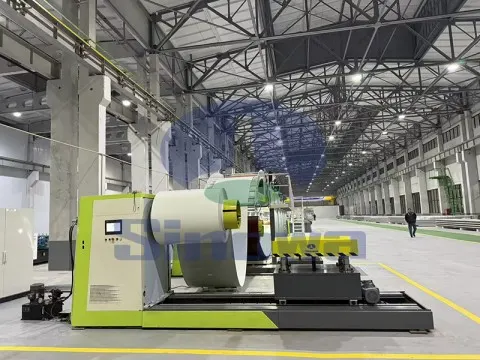
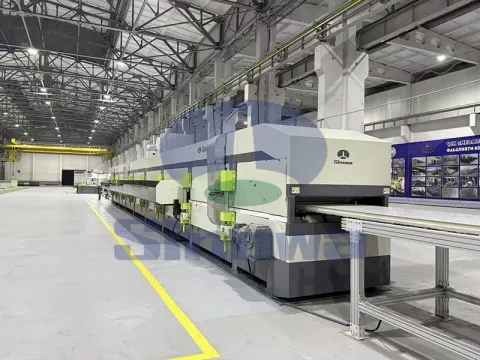
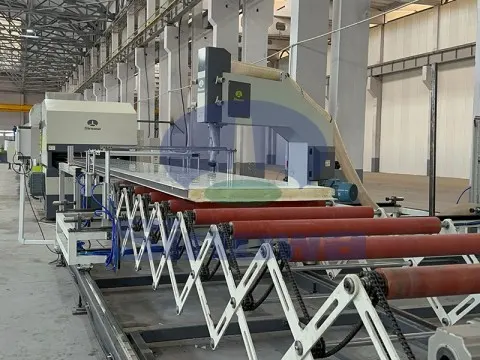
Gallery of PU Sandwich Panel Production Line
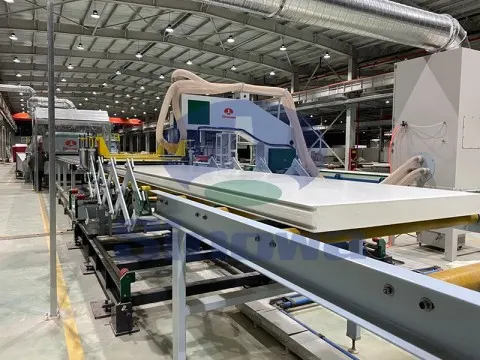
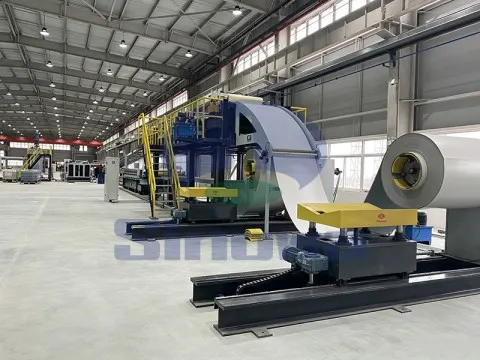
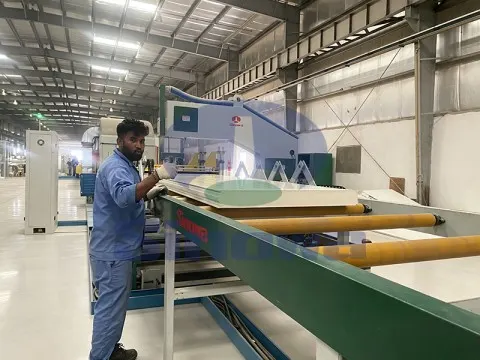
Tags: pu sandwich panel production line, pu sandwich panel production line manufacturer, pu sandwich panel production line supplier, china pu sandwich panel production line, pu sandwich panel production line for sale
-
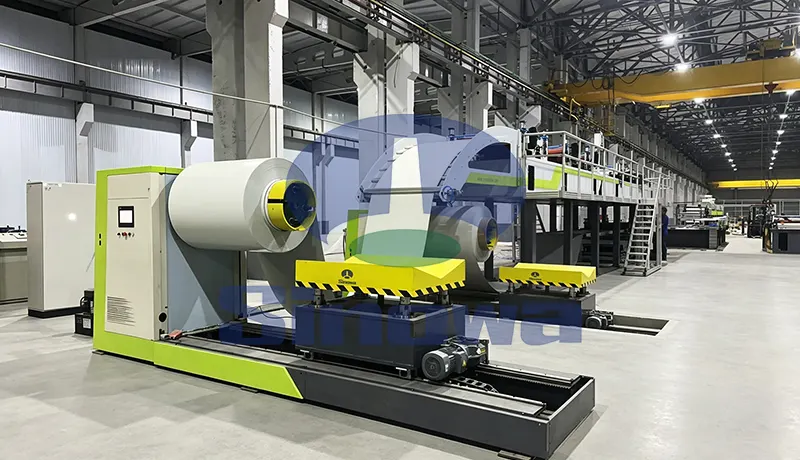
A reliable PU sandwich panel production line serves as the core equipment for manufacturing high-performance building insulation panels. This professional PU sandwich panel line features automated feeding, foaming and molding processes to ensure consistent panel thickness and structural stability. The well-designed polyurethane sandwich panel production line effectively improves production efficiency while reducing material waste in daily operation. Each calibrated polyurethane sandwich panel line can adapt to different panel sizes to meet diverse construction needs. With precise temperature and pressure control, the advanced continuous PU sandwich panel line produces panels with excellent thermal insulation and weather resistance. Meanwhile, the optimized PIR sandwich panel production line upgrades the foaming formula to enhance fire resistance performance. The high-efficiency PIR sandwich panel line maintains stable operation during long-term mass production, delivering durable and high-quality sandwich panels for various architectural and industrial applications.
-
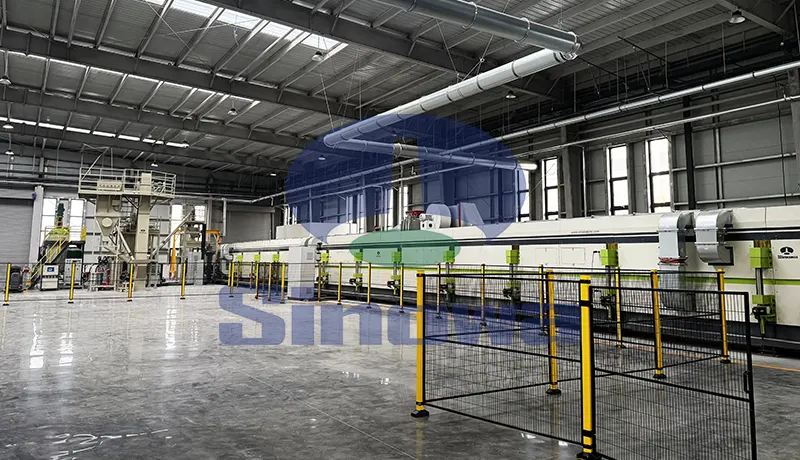
The phenolic panel production line realizes automated and continuous manufacturing of high-performance thermal insulation panels through streamlined and coordinated processing procedures.
-
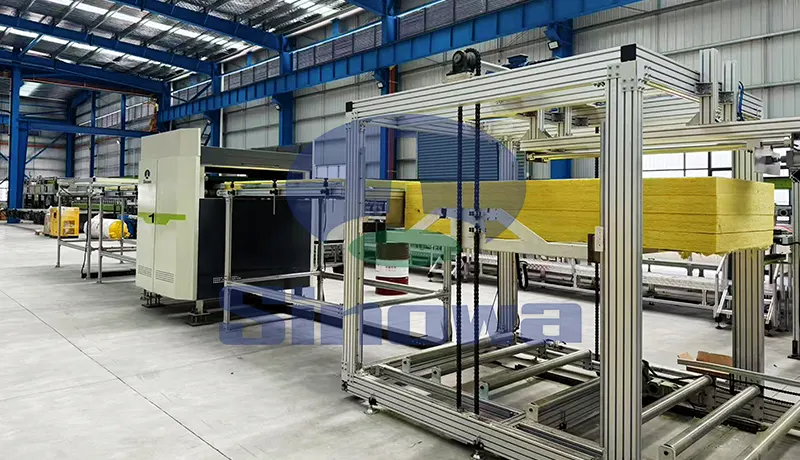
Modern insulation panel manufacturing relies on professional automated equipment to ensure stable product quality and high production efficiency. The rock wool sandwich panel production line features precise material lamination and forming processes to produce rigid, heat-insulating building panels. Meanwhile, the mineral wool sandwich panel production line adopts optimized assembly procedures to fabricate lightweight, soundproof panels widely used in architectural enclosure and thermal preservation projects.